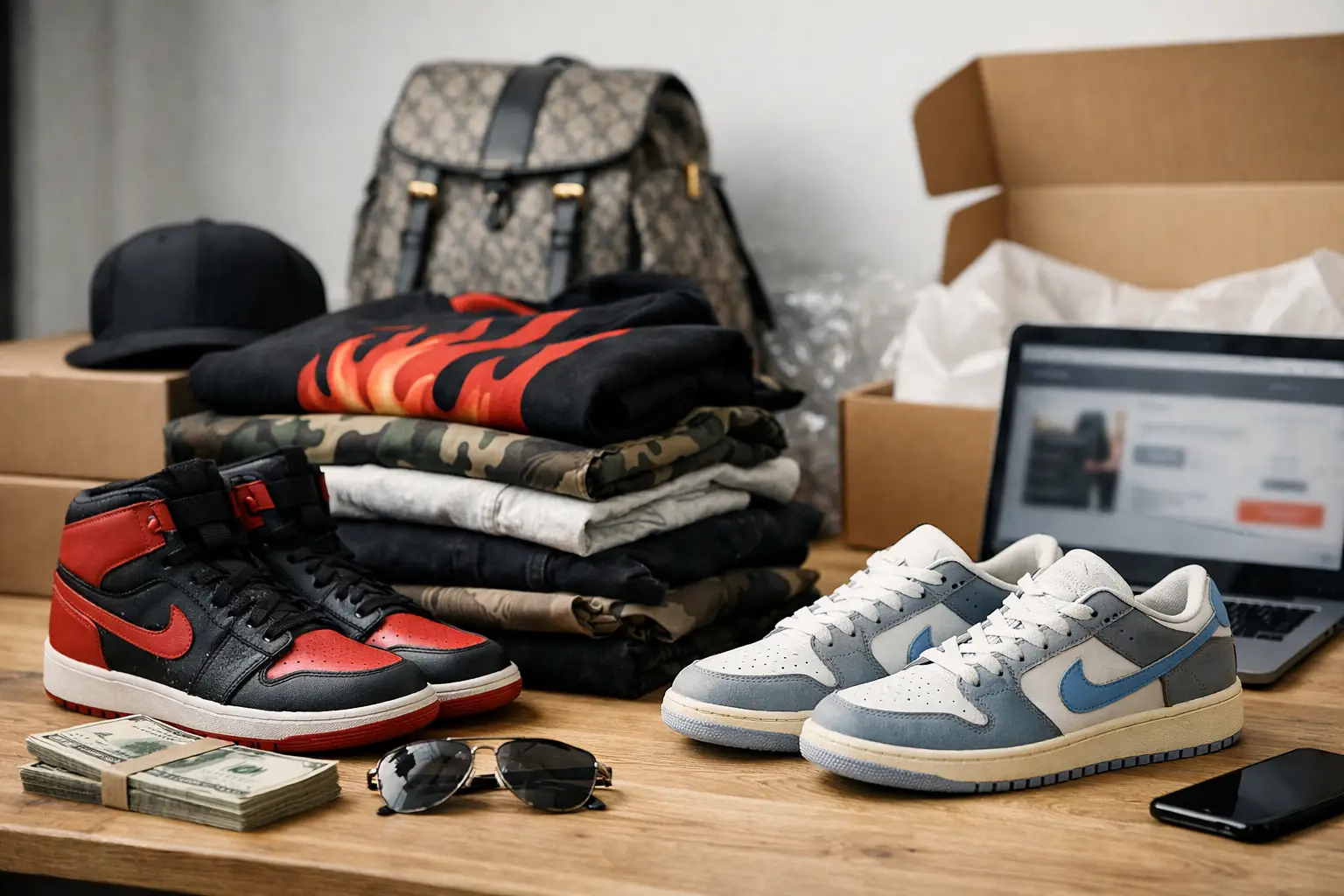
A BAPE hoodie from the right era, a sample jacket with a story behind it, or a Supreme piece tied to a defining collaboration can be worth far more than its fabric and original retail price. This guide to selling rare streetwear is about presenting those pieces with the context, condition, and timing that make serious buyers pay attention.
Rare streetwear does not move on scarcity alone. Collectors buy into a product’s place in culture: the season it came from, the artist who wore it, the collaboration that never got a follow-up, or the design detail newer releases no longer carry. Treating a collectible garment like a generic closet clear-out is one of the quickest ways to leave money on the table.
Know What Makes Your Piece Rare
“Limited” is not automatically “valuable.” Brands have used limited drops for years, and plenty of items with small production runs lose relevance once the release-day rush passes. True resale appeal usually comes from a mix of limited availability, recognizable design, cultural relevance, and sustained demand.
Start by identifying exactly what you have. Check the season, colorway, style name, release region, size, and whether it was a general release, a store exclusive, a friends-and-family item, or a sample. Old product photos, lookbooks, retail tags, and original receipts can all help establish the story. A 2000s Stussy graphic tee and a recent Stussy tee may share a logo, but they belong to very different collector conversations.
Provenance matters most when the item has an unusual backstory. Maybe it came from a pop-up, a tour stop, a runway presentation, or a collaboration that was never broadly released. Document what can be verified, but do not stretch the story. A clear, accurate description builds more interest than an inflated claim ever will.
Rarity Is Only Half the Equation
The market rewards pieces people actually want to wear, archive, or complete a collection with. A rare item in an unpopular fit or an obscure graphic may still take time to sell. On the other hand, an item with wider visual recognition - think an iconic Supreme box logo, early Palace Tri-Ferg, or vintage Japanese streetwear - can attract buyers across age groups and regions.
Ask a practical question: who is the likely buyer? A fashion-focused buyer may care about silhouette, color, and styling potential. A collector may focus on production era, tags, and condition. The strongest listing speaks to both without becoming a museum label.
Price Rare Streetwear From Evidence, Not Hype
Pricing is where most sellers either rush or overreach. The highest asking price you see is not the market value. Look for completed sales of the same item, then compare the details that change the number: size, color, year, condition, original packaging, and regional release status.
Use close references if no exact sale exists. A rare 2008 jacket may have no recent comparables, but sales of related pieces from the same collection, designer, or era can establish a realistic range. Give more weight to recent results than a record sale from three years ago, especially if that sale happened during a major hype cycle.
Condition should move your price with honesty. Deadstock items with original tags and packaging command a premium, but “near new” needs to mean near new. Fading, cracking, pinholes, stretched cuffs, altered hems, missing accessories, and storage marks all affect value. Vintage collectors may accept natural wear, but they want it disclosed and shown clearly.
It also helps to decide whether speed or ceiling matters more. If you need funds for the next release, price toward the active market and create momentum. If the piece is genuinely difficult to replace, a higher price with patience can make sense. The trade-off is simple: rare does not mean buyers appear instantly.
Build a Listing That Feels Worth the Price
A strong listing gives the buyer enough information to picture the item in hand. Start with clean, natural-light photos on a plain background. Show the front, back, key graphics, tags, size label, wash tag, hardware, and every flaw. For jackets, include zippers and lining. For tees and hoodies, photograph print texture, cuffs, collar, and any cracking up close.
Measurements are not optional for older streetwear. Sizing has changed dramatically across eras and brands. Include pit-to-pit, length, shoulder width, sleeve length, waist, inseam, and leg opening where relevant. A tagged large from 2004 may fit closer to a modern medium, while some Japanese labels are known for a more compact cut.
Your written description should be direct, specific, and easy to scan. Name the brand, item, season or approximate era, color, tagged size, measurements, and condition first. Then add the detail that makes it memorable: the collaboration, release context, material, or design reference. Avoid calling everything “grail,” “ultra rare,” or “one of one.” Those terms mean more when the facts prove them.
Preserve the Details Collectors Notice
Before listing, resist the temptation to make an older garment look newer than it is. Aggressive washing, stain treatment, lint shaving, or repairs can damage fabric and reduce collector appeal. A careful steam, a gentle surface clean, and proper folding are often enough.
Keep original extras together whenever possible. Tags, branded bags, special boxes, extra laces, receipts, inserts, and collaboration packaging can raise buyer confidence and sometimes the final price. They are especially relevant for archival pieces and limited collaborations where completeness is part of the appeal.
If you have repaired an item, say so. A professionally reinforced seam is usually better than a hidden split, but buyers should know what changed. The same applies to tailoring. A cropped vintage jacket might look better on a hanger after an alteration, yet it has become a different product for the next owner.
Sell With Timing and Cultural Context in Mind
Streetwear prices move with attention. An anniversary, a designer appointment, a celebrity appearance, a documentary, or a renewed interest in a particular era can bring old pieces back into focus. That does not mean chasing every social media spike. It means recognizing when the conversation around your item has changed.
Seasonality matters too. Heavy outerwear usually gets more attention before colder months, while graphic tees, shorts, and lighter pieces have their best window in spring and summer. Festival season can make certain music-linked brands and bold archival graphics more attractive. A technical shell may perform differently depending on weather, fashion cycles, and the strength of gorpcore at the moment.
For European sellers, globally recognizable streetwear can draw demand beyond local circles, but regional sizing and shipping expectations still influence the buyer pool. Make the fit and measurements clear enough that someone across the Atlantic can make a confident decision without guessing.
Avoid the Mistakes That Drain Value
The biggest mistake is poor presentation. Dim photos, no measurements, vague condition notes, and a one-line description signal that the seller may not understand the piece. That can push knowledgeable buyers away even when the item itself is excellent.
The second is holding onto a price that the market has already rejected. If strong interest never turns into offers, review the listing rather than assuming buyers simply do not understand rarity. It may need better photos, a clearer title, more context, or a more realistic number.
Finally, do not let nostalgia price the item for you. The fact that you waited in line, traded for it, or wore it through an important era gives it personal value. The market may agree, but it may not. Separating those two ideas lets you decide whether you are ready to sell at all.
The best rare streetwear listings do more than move product. They place a piece in front of the person who recognizes why it mattered then, why it still looks right now, and why replacing it will not be easy.