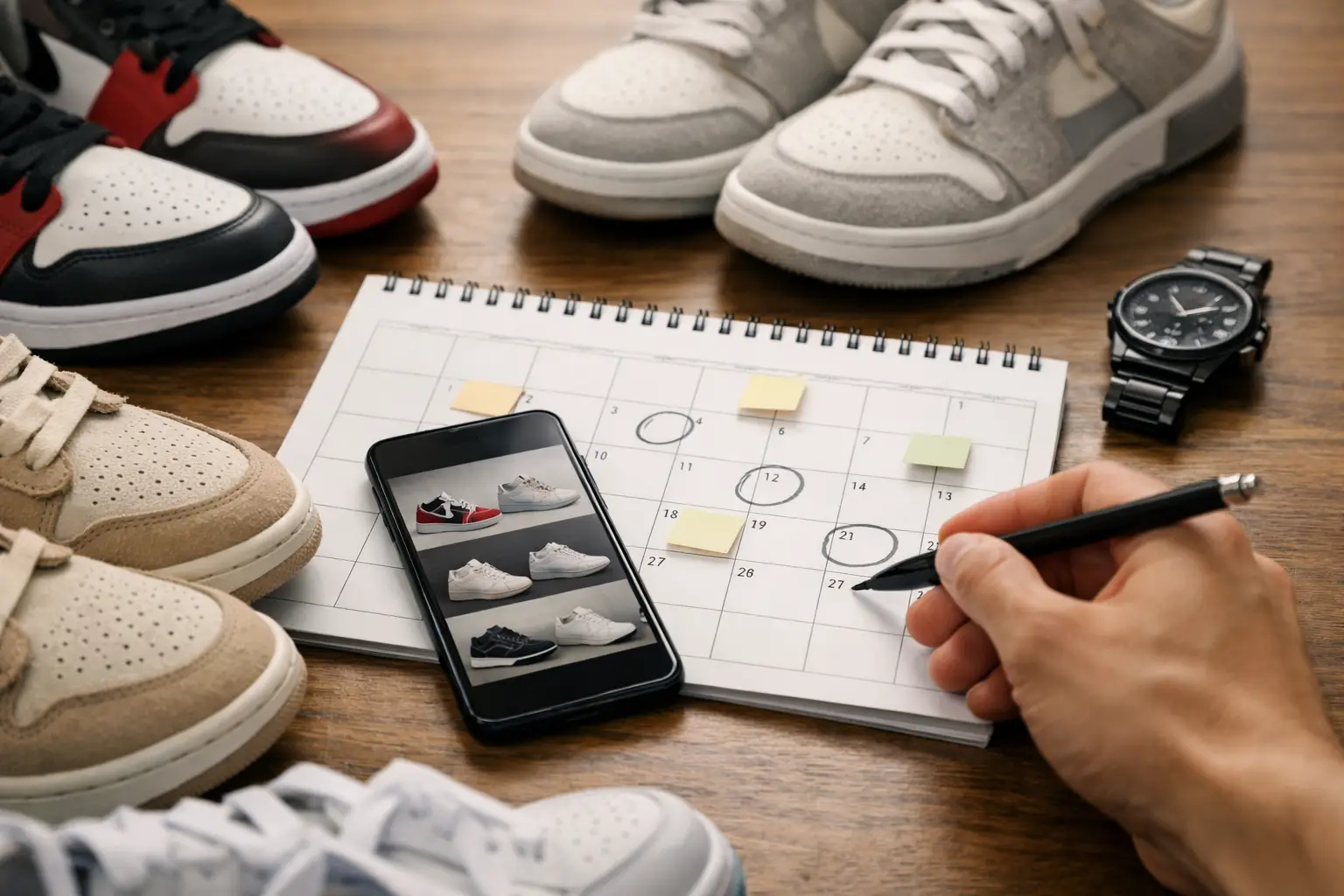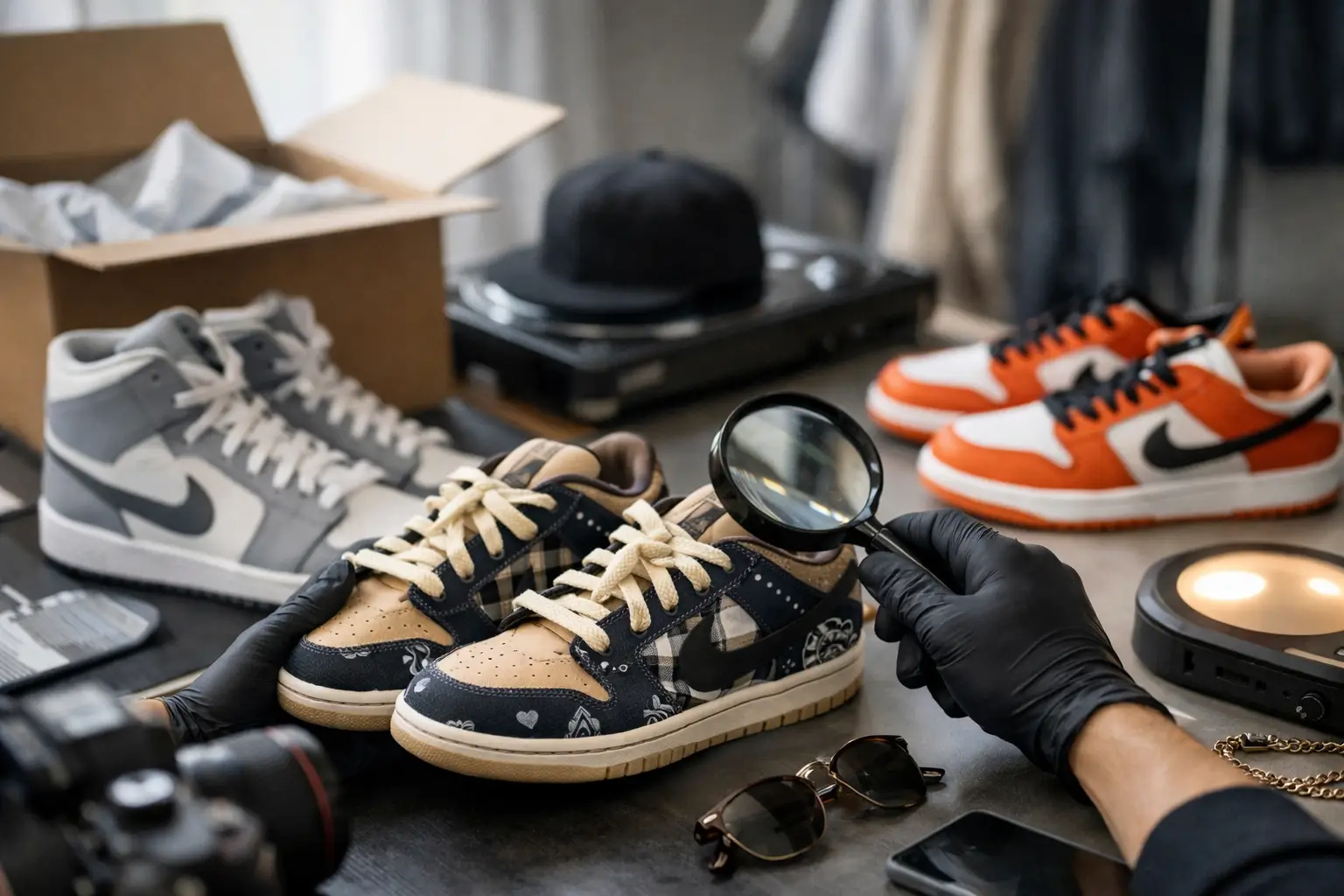
A verified streetwear marketplace is not just a place to chase sold-out hoodies and rare sneakers. At its best, it is a live record of what people actually value: the pieces that hold attention after launch day, the collaborations that become references, and the silhouettes that keep finding new life in different wardrobes.
That matters because streetwear moves fast, but good taste should not have to. A graphic tee can go from impossible to find to forgotten in a season. A simple fleece, jacket, or pair of sneakers can look quiet at release, then become the item everyone wishes they had picked up once its influence starts to show. Knowing the difference is part product knowledge, part cultural awareness, and part patience.
Why a Verified Streetwear Marketplace Matters Beyond Hype
Verification gives a marketplace its baseline: buyers can focus on the product rather than second-guessing whether it is what it claims to be. But the more interesting benefit is what happens after that baseline is in place. It makes the market easier to read.
When you can compare versions, observe pricing, and see which sizes and colorways continue to move, resale becomes useful information instead of background noise. It does not tell you what you have to wear. It does show where demand is concentrated and whether a piece has real staying power beyond a loud release campaign.
For collectors, that distinction is huge. A collectible is not automatically valuable because it is limited. Plenty of limited releases are limited because only a narrow audience wanted them in the first place. The pieces that endure usually connect to a larger story: a landmark designer era, a defining sports moment, a subculture, a memorable collaboration, or a design language that others begin to borrow.
The strongest collections often have that mix of personal taste and context. They are not built entirely from the highest-priced releases. They include the shoes you wear until the midsoles crease, the jacket that fixes an otherwise plain outfit, and the one oddball piece that only makes sense if you know the reference.
Read the Product, Not Just the Price
Price is a signal, not a verdict. A high resale number may reflect genuine cultural importance, but it can also come from a small supply, a short-lived celebrity moment, or a rush to own something before anyone has spent time with it. Low resale does not always mean weak design either. Some of the best everyday pieces stay accessible precisely because enough people were able to buy them.
Start with the item itself. Look at its shape, material, construction, and styling range. Ask whether it has an identity when the logo is covered. A well-designed piece should still make sense through its proportions, fabric, color, or details.
Sneakers offer an easy example. A heavily hyped collaboration may be culturally significant, but it is not automatically the best pair to wear. If its color blocking only works with a very specific outfit, or its materials are too delicate for regular rotation, it might make more sense as a collection piece. Meanwhile, a general-release runner or retro basketball shoe with a strong neutral palette may earn more time on foot and become more important to your wardrobe.
Streetwear follows the same rule. A heavyweight hoodie with a clean fit can outlast a seasonal graphic. A pair of washed carpenter pants may work with vintage tees, technical outerwear, and a cropped jacket in ways a louder trend piece cannot. The question is not whether a garment will get attention online. It is whether you can make it part of your own visual language.
The details that tend to age well
Pieces with longevity usually offer something beyond a recognizable name. They may have a distinctive cut, like a boxy jacket with a precise shoulder line. They may use fabric that improves with wear, such as faded cotton, dense fleece, or properly broken-in leather. Or they may reference a classic without copying it too literally.
That does not mean every purchase needs to be timeless. Streetwear has always made room for the playful, the absurd, and the intentionally over-the-top. A loud all-over print can be worth owning because it captures a moment. Just be honest about the role it will play. Buy it as a statement, not as the backbone of a wardrobe that needs to work five days a week.
Build a Rotation With Different Jobs
The easiest way to avoid random, expensive purchases is to think in rotations rather than single grails. Your collection does not need to be huge, but each piece should have a reason to be there.
A practical sneaker rotation might include one daily pair that can take wear, one cleaner pair for sharper outfits, one shoe with real color or personality, and one pair you keep because it means something to you. Those categories can overlap. A classic retro in a neutral colorway might cover two of them. The point is to avoid buying four versions of the exact same role because each release felt urgent for ten minutes.
The same logic applies to clothing. Start with reliable silhouettes: tees that fit the way you like, pants that work with most of your footwear, and outerwear that gives your outfits structure. Then add the pieces that create contrast. Maybe that is a technical shell against washed denim, a knit polo under a work jacket, or a graphic layer that breaks up an otherwise understated look.
Fit deserves more attention than hype. Measurements vary wildly across brands, and oversized does not mean the same thing everywhere. Check shoulder width, body length, rise, inseam, and leg opening against garments you already wear. A jacket can be an incredible archive piece and still disappoint if it lands at the wrong point on your body. The same goes for sneakers: sizing can shift between a retro basketball model, a skate shoe, and a performance runner.
Use Market Demand Without Letting It Dress You
A marketplace can help you spot patterns. If a certain colorway continues to command attention months after release, there is probably a reason. Maybe it is the most wearable version of a model. Maybe it has a stronger story. Maybe it was produced in smaller numbers. The useful move is to investigate the why, not blindly follow the number.
Watch what happens after the first wave. Immediate sellouts are common. Sustained interest is more revealing. Does the item still look good once the initial styling posts fade? Are people wearing it in different ways? Has it influenced newer releases from other labels? These are better questions than whether a piece doubled in price overnight.
There is also value in buying against the obvious choice. The most popular colorway is not always the one you will wear most. The less sought-after version may fit your palette better, cost less, and feel more personal. Collecting gets more interesting when every purchase does not look like it came from the same trend report.
For sellers, this mindset creates better decisions too. Condition, original packaging, and timing all matter, but cultural relevance matters most over time. A shoe tied to a meaningful collaboration may deserve patience. A release driven mostly by launch-week noise may be better moved while attention is still high. Turn your collection into profit when it makes sense, but do not treat every item like a stock chart. The story behind an object is often what gives it value later.
Buy With a Point of View
The best use of a verified streetwear marketplace is not to own whatever everyone else is hunting. It is to make more informed choices while building a collection that still feels like yours.
Solepoint is built around that overlap of product knowledge, cultural relevance, and personal style. Whether you are looking for a first serious sneaker, a hard-to-find hoodie, or a collectible with real context, the goal should be the same: know what you are buying, know how you will wear or display it, and know why it deserves space in your rotation.
The next time a release catches your eye, give it a second look after the noise settles. If the design still feels right, the fit works for your wardrobe, and the story means something to you, that is usually the piece worth keeping close.