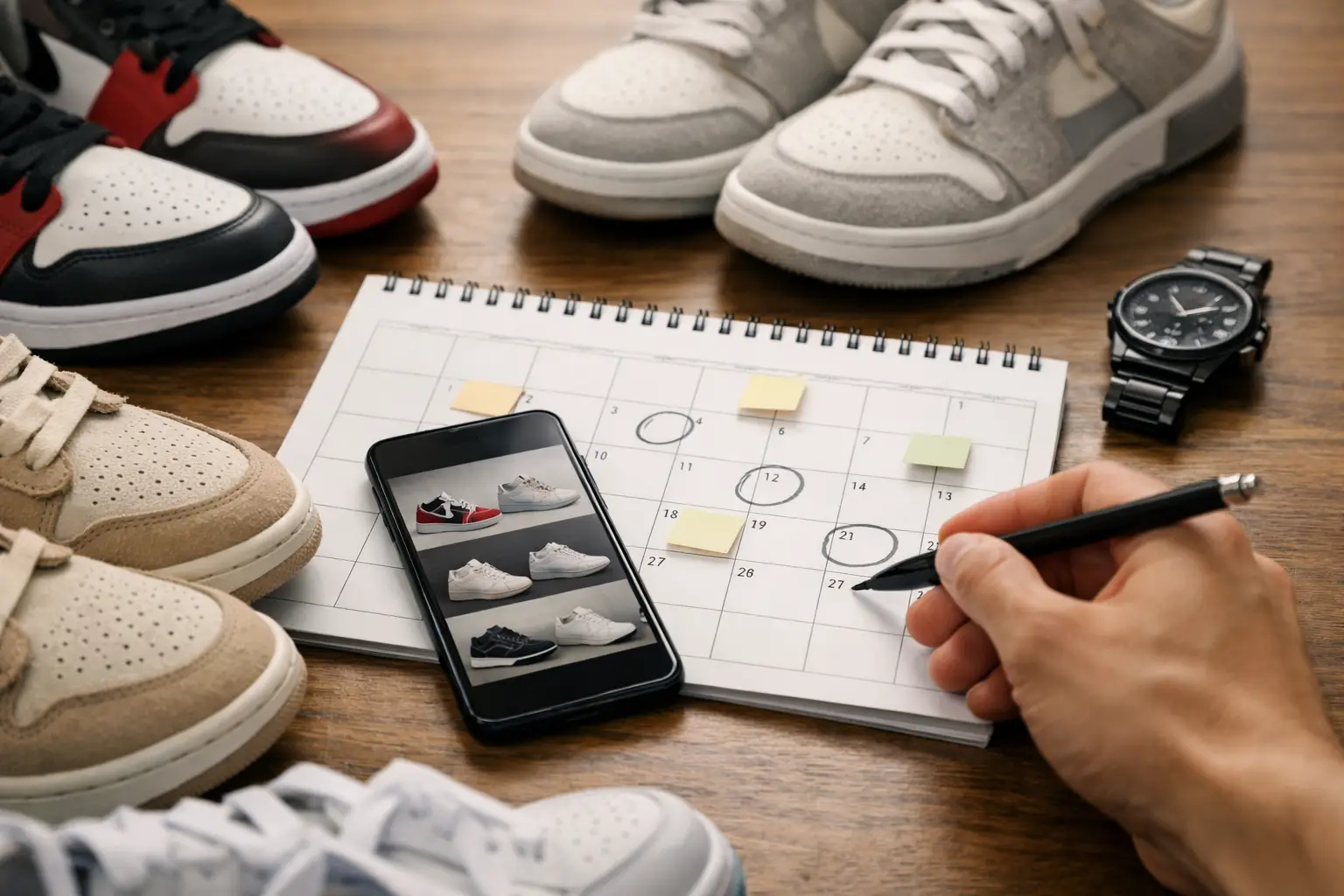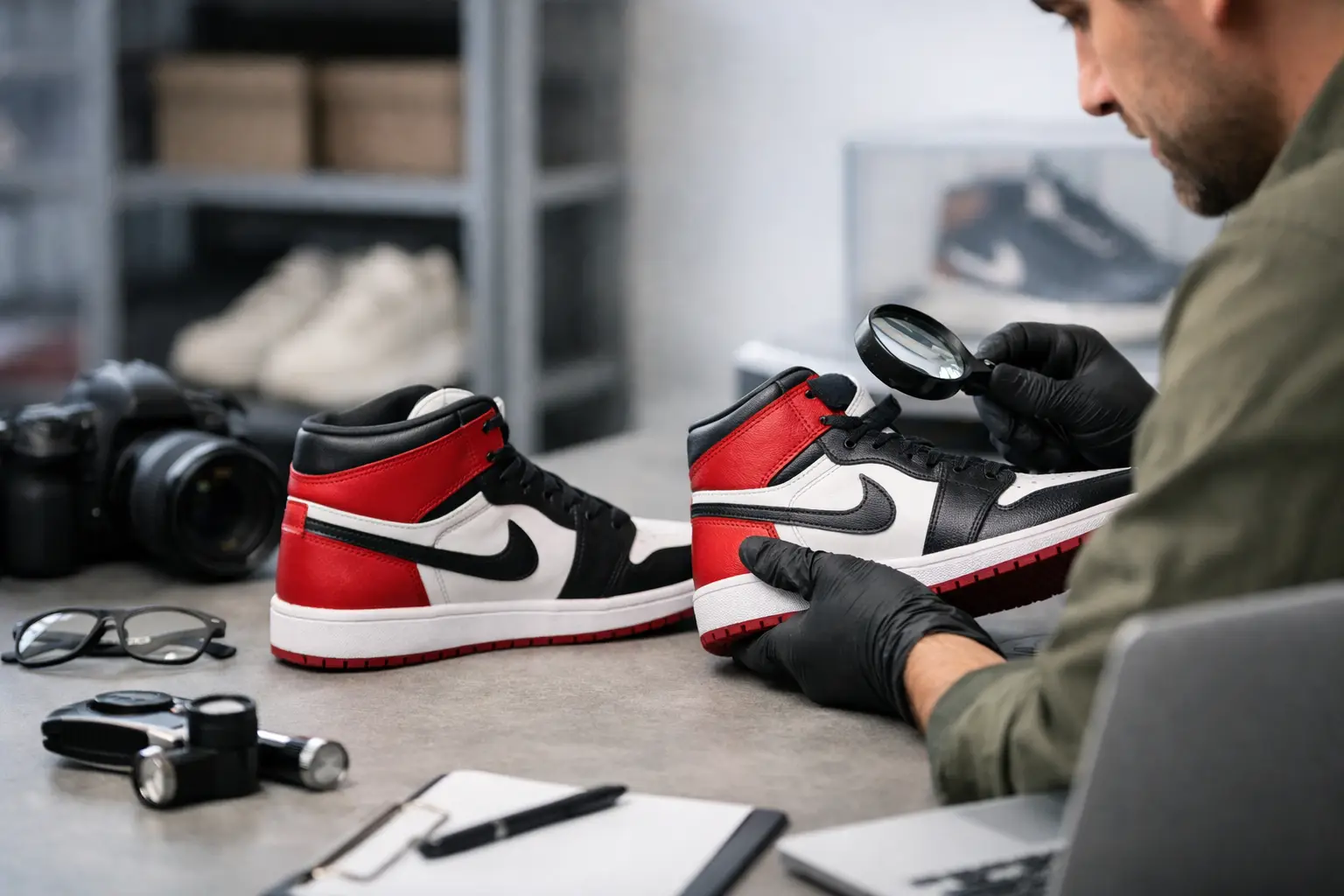
A clean product photo can make almost any pair look like a must-have. The real difference between a quick impulse buy and a sneaker you will keep reaching for is context. Expert verified sneaker listings give collectors and style-minded buyers a clearer read on what a pair actually is: its exact release, its condition, its details, and its place in the wider market.
That matters when two nearly identical listings can represent very different purchases. One may be a fresh pair of Air Jordan 1s in the original box. Another may be an older release with a compelling story, light wear, and a price that makes it the smarter choice. The label is only the beginning. Knowing how to read the listing is where better buying starts.
A Listing Should Tell the Product Story
Sneakers carry information that does not always show up in a single image. A proper listing turns that information into something useful. It identifies the model, colorway, size, condition, included accessories, and often the product code that separates one release from another.
For collectors, those details protect the meaning of a purchase. The Nike Dunk Low you want might be the original colorway that defined a college-inspired era, a later retro with changed materials, or a collaboration that gained traction because of its connection to music, skate culture, or a specific city. Each version has a different story, fit, feel, and market profile.
For anyone shopping primarily for personal style, context is still valuable. A listing can reveal whether a pair has aged leather, reflective panels, a yellowed sole, or a special box that adds collectible appeal. It helps you buy with your eyes open rather than discovering the important details after the pair arrives.
How to Read Expert Verified Sneaker Listings
A strong listing should make it easy to move from interest to a confident decision. Start with the basics, then look beyond them.
Match the exact model, not just the name
Sneaker names get reused constantly. “Panda Dunks,” “Chicago 1s,” and “New Balance 550s” can refer to multiple production years, grades, or closely related releases. The product code is often the cleanest way to confirm that the listing matches the version you have been researching.
This is especially relevant with retro basketball shoes. A 2015 Air Jordan 1 release can differ from a 2022 version in leather texture, shape, branding, and resale interest, even when the color blocking looks similar at first glance. If a specific release year matters to you, do not settle for a broad model name.
The same goes for collaborations. A capsule might include several colorways with similar branding, but one could be the harder pair to style, while another has a more lasting cultural footprint. Exact information lets you choose the pair you genuinely want, not the nearest available option.
Let condition set the expectation
Condition is not just a line in a listing. It changes how a sneaker should be worn, priced, and valued. A deadstock pair is often the choice for someone who wants the cleanest possible presentation or a collectible to preserve. A lightly worn pair may offer better value if your plan is to put miles on it.
Look for clear descriptions of wear on the outsole, creasing around the toe box, heel drag, marks on suede, and signs of aging on midsoles. Older pairs can be particularly nuanced. Vintage Air Max models, early Yeezys, and certain foam-based runners may look great in photos but have material considerations that make them better for display than daily wear.
Original packaging can matter, too, but its importance depends on the shoe. A special box can add value to a collaboration or limited release. For a pair you want to wear three times a week, the sneaker itself should take priority over cardboard.
Treat sizing as product knowledge
Your usual size is a starting point, not a universal rule. Some silhouettes run narrow, some feel long, and some offer a roomy fit that changes depending on the socks you wear. A listing that gives the precise size lets you compare it with pairs already in your rotation.
Think about the construction. Nike Air Force 1s often feel more spacious than Air Jordan 4s. Adidas Sambas have a lower, more tapered profile than many modern lifestyle runners. New Balance sizing can shift by model and country of manufacture, which is why a 990 and a 2002R may not feel identical.
This is where shopping with intention pays off. If you want a pair for all-day wear, prioritize your actual fit over chasing a lower price in a size you hope will work. If you are collecting a rare release, an off-size may still make sense, but be honest about whether it will be worn or displayed.
Release History Explains Why a Pair Matters
The best sneaker purchases usually have a reason behind them. That reason might be personal - the shoe you wanted in high school, a color that fits your wardrobe, or a silhouette tied to a favorite athlete. It can also be cultural.
Release history gives a listing depth. Was the pair part of a first-time collaboration? Did it introduce a new technology? Did it become popular because it was genuinely hard to get, or because it landed at the right moment in fashion? Those are different paths to relevance.
Consider the difference between a general-release runner and a limited project from a boutique. The general release may be easier to replace, more practical to wear, and less stressful to enjoy. The boutique project may feature sharper material choices, a smaller production run, and a story that makes it more collectible. Neither is automatically better. It depends on whether you are building outfits, building a collection, or doing both.
Trends deserve a little perspective, too. A shoe that is everywhere one season can feel less exciting once the next silhouette takes over. Meanwhile, a well-designed classic often stays useful because it does not rely on a single hype cycle. Expert information helps separate short-term noise from lasting appeal.
Price Is One Signal, Not the Whole Verdict
Market price tells you what people are willing to pay right now. It does not always tell you whether a pair is worth buying for you. A high price can reflect scarcity, a celebrity co-sign, a limited regional release, or a sudden wave of social attention. A lower price can mean the shoe is underrated, widely available, or simply less relevant to the current conversation.
Use the listing details to understand what the number represents. Compare condition, size, release year, and included extras before comparing prices. A size 12 may be priced differently from a size 8.5. A complete, unworn collaboration may not be comparable to the same pair without its special packaging. The lowest price is only a win when the product details line up.
There is also room for patience. If a pair is not tied to a specific event or personal milestone, tracking interest over time can be smarter than buying at peak buzz. On the other hand, waiting on a truly limited shoe can shrink your options. The right move comes from knowing whether you are chasing a moment or choosing a long-term favorite.
Verification Is a Baseline, Taste Is the Decision
Expert review gives a listing credibility, but it cannot tell you whether the shoe belongs in your collection. That part is personal. A technically significant sneaker can still sit untouched if it does not fit your style. A simple pair in a perfect neutral color can become the most valuable thing you own because you wear it constantly.
Before checking out, picture the sneaker in your real rotation. Does it work with the denim, cargos, or tailored pieces you already wear? Will the materials hold up to how you use your shoes? Is the colorway a statement, or does it support the rest of your wardrobe? Those questions are more useful than asking whether everyone else wants the pair.
A great sneaker listing does more than confirm what is in the box. It gives you enough product knowledge to make the purchase your own. Use that clarity to choose pairs with a story worth knowing, a fit worth wearing, and a place in your collection that feels earned.