A good sneaker release calendar guide does more than tell you what launches on Friday. It helps you separate a pair you genuinely want from a pair that only looks exciting because every sneaker page posted the same teaser. Release dates are the starting point. The real advantage comes from knowing where a shoe is dropping, how it fits into a bigger trend, and whether it belongs in your rotation, your collection, or neither.
The pace of modern releases makes that harder than it sounds. A major Jordan colorway can arrive beside a low-key New Balance collaboration, a skate shop exclusive, and a restock that quietly matters more than the headline launch. If you check the calendar with a plan, you spend less time chasing noise and more time focusing on pairs with a real place in your wardrobe.
How to Use a Sneaker Release Calendar Guide
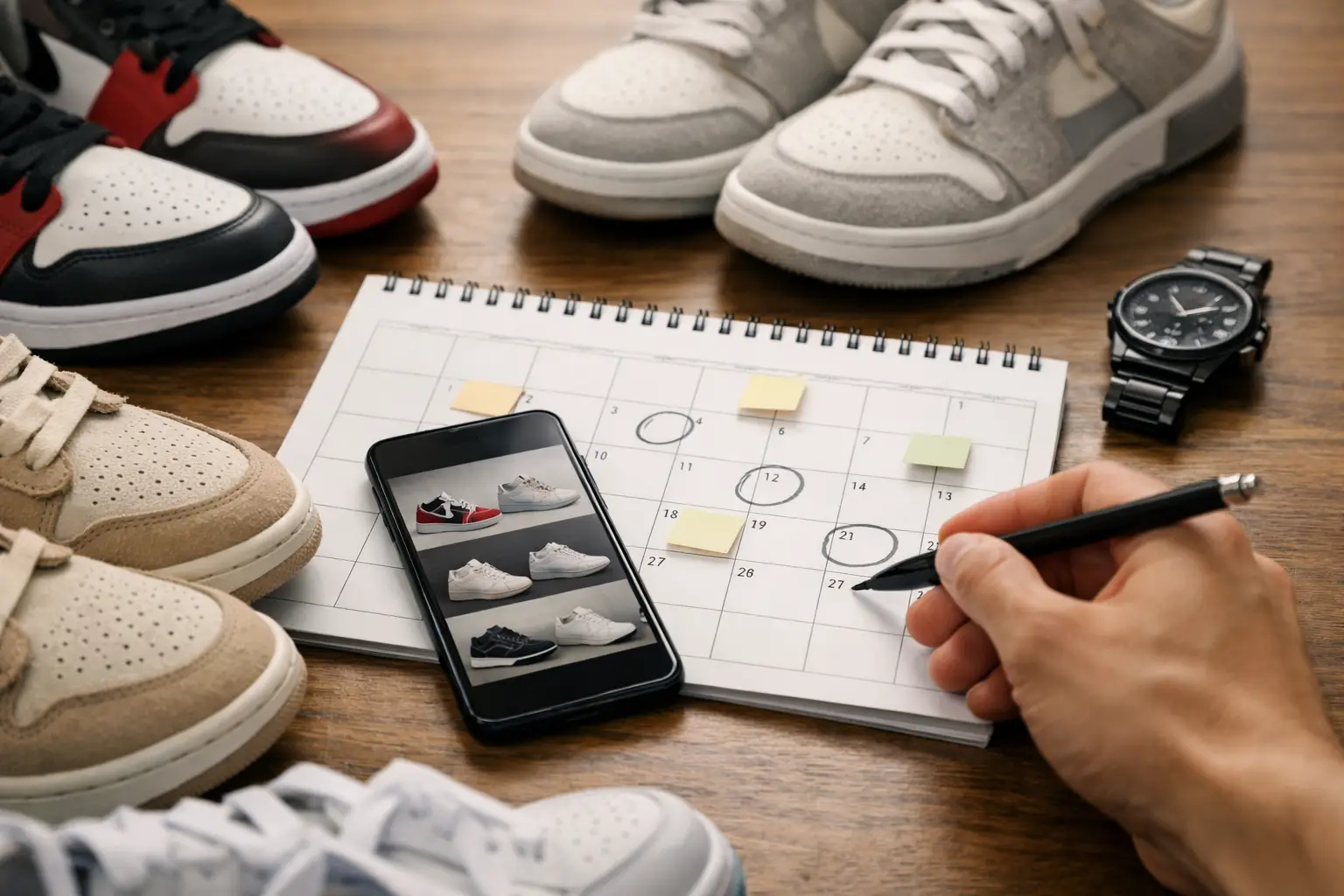
Treat a release calendar like an edit, not a shopping list. The goal is not to enter every raffle or memorize every date. It is to build context around the releases that match your taste, budget, and collecting habits.
Start with the basics: the official release date, retail price, available sizing, and release method. Those details shape your chances and your decision. A general release with broad adult sizing is a different proposition from a boutique raffle with limited quantities. A shoe that launches in full family sizing may have stronger cultural appeal, but that does not automatically make it the best buy for your own closet.
Then look past the listing. Ask what the release is actually offering. Is it a new colorway of a silhouette you wear often? Is it a collaboration with a story that adds something beyond a new logo placement? Is it a retro that has been absent long enough to feel fresh again? The answers matter more than the comment section.
Read the release details, not just the date
Release calendars often include information that changes fast. Dates move. Retailers receive stock at different times. A shoe first announced as a regional launch can appear more widely later, while a supposedly easy pair can become difficult once stock numbers surface. Check details close to release day rather than treating an early announcement as final.
Pay attention to whether the date refers to a brand release, a retailer launch, or a restock. Brands may release pairs through their own apps, while select boutiques run raffles days earlier. Some stores use first-come, first-served launches, and others notify winners before the shoe ever reaches shelves. Knowing the format lets you organize your week without last-minute scrambling.
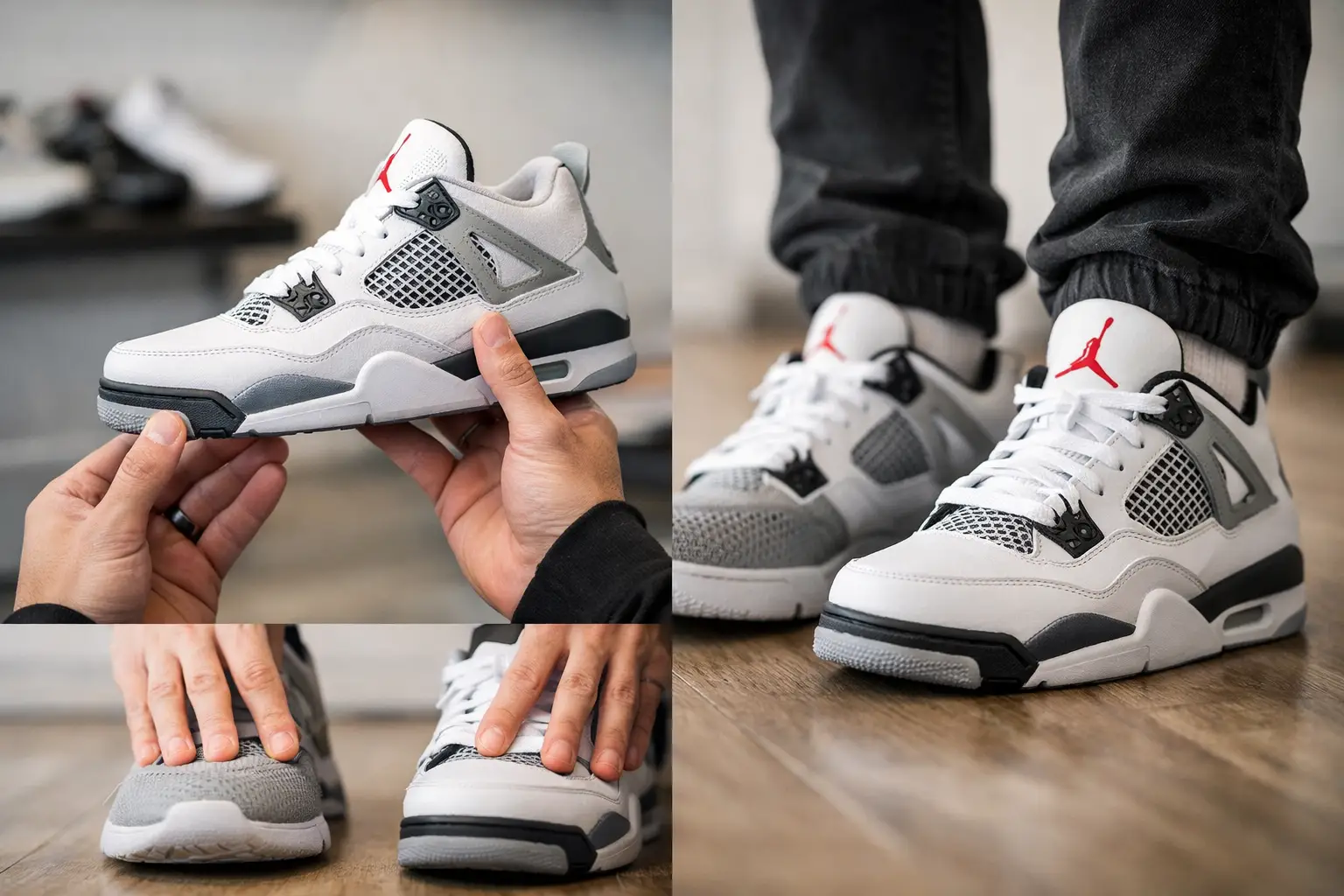
Also check the product code and official color description. Sneaker names can be misleading, especially when several versions of the same model arrive in a season. Product imagery and codes make it easier to avoid confusing a women’s exclusive, grade-school release, or updated construction with the pair you intended to buy.
Build a Shortlist Before Release Week
The smartest collectors rarely wake up on release day and decide what they want. They keep a running shortlist, then update it when official images, on-foot photos, and final pricing arrive.
Limit the list to shoes you would still want if they sat at retail for a month. That simple test cuts out a lot of impulse purchases. A calendar can make every launch feel urgent, but urgency is often manufactured by scarcity, fast edits, and the fear that a pair might become expensive later.
Give each pair a reason. Maybe it fills a gap in your rotation, such as a neutral runner for everyday wear. Maybe it connects to a favorite era of basketball footwear. Maybe the materials, shape, or collaborator make it feel distinctive enough to display. If the only reason is that it might resell, be honest about the risk. Market demand can shift quickly, and not every limited shoe becomes a collectible.
It also helps to set a monthly release budget. This is not about removing the fun from collecting. It is what gives you room to commit when the right pair appears. Passing on three forgettable drops can make a standout release feel like a choice rather than a compromise.
Know Which Signals Actually Matter
Hype is a signal, but it is a messy one. Some shoes catch fire because they are truly well designed or culturally significant. Others spike because supply is tight, familiar names are involved, or the early resale conversation creates its own momentum.
Look for signals with more staying power. A strong collaboration usually has a clear point of view, whether that comes through materials, storytelling, packaging, or an unexpected take on a familiar model. A meaningful retro has a history that people can recognize without needing an explainer. A great general release can simply have the right colors, proportions, and timing.
On the other hand, do not confuse a loud launch with a lasting one. A pair can sell out and still lose attention within a few weeks. This is especially common when several similar colorways land close together. If you are buying to wear, that can be great news: the pair may become easier to find after the first wave of excitement. If you are buying as a collector, it is a reason to be selective.
Think in silhouettes, not isolated drops
Every release sits inside a wider footwear cycle. When slim retro runners are everywhere, another chunky lifestyle shoe may feel less compelling than it would have a year earlier. When basketball shoes are returning to casual rotations, an older high-top can suddenly make sense again with baggier denim and workwear-inspired layers.
Following silhouettes also makes styling decisions easier. Before adding a shoe to your calendar, picture it with clothes you already own. A silver mesh runner can work with washed black denim, nylon pants, or relaxed shorts. A bold Jordan might need simpler outfits so the shoe stays the focal point. The most satisfying pickups are not always the rarest. They are the ones that keep earning a place in your weekly rotation.
Prepare for Different Release Formats
Not every drop deserves the same effort. For high-demand releases, have your size choice and account details ready in advance, then enter the appropriate raffles without chasing every possible route. For standard launches, patience can be more valuable than speed. Stock may linger, extra sizes may appear, and retailers sometimes release pairs at different hours.
Four release formats show up often enough to recognize immediately:
- Brand app launches usually concentrate attention in one place and may use draws or timed access.
- Retailer raffles often open several days before release and can vary by store, region, or shipping availability.
- In-store releases can reward local sneaker communities, but they require clear rules and realistic expectations.
- Restocks are easy to overlook, yet they can be the best opportunity to buy a pair you wanted without paying a premium.
The trade-off is simple. Casting a very wide net can improve your odds, but it also makes it easier to buy something you only half wanted. Decide in advance which pairs deserve real effort and which ones are a casual try.
Use the Market as Context, Not a Command
Resale prices are useful information, particularly for limited collaborations, older retros, and collectible footwear. They can show whether demand is still rising, whether a release is more available than expected, or whether a premium is being driven by a specific size range. But price alone does not define taste.
A shoe that trades below retail can still be an excellent pickup if it fits your style. In fact, some of the best wear-anywhere pairs become more attractive once the launch pressure disappears. Conversely, a shoe with a high early premium may not be worth stretching for if you are not excited to wear or keep it long term.
Size matters here, too. Demand is rarely uniform across the size run. Popular men’s sizes, smaller sizes, and women’s exclusives can all behave differently depending on the model. Read size-specific availability before making assumptions about a shoe’s wider appeal.
Make Your Calendar Work for You
The best release calendars leave room for taste to develop. Save the dates that matter, revisit your shortlist when official details arrive, and let the rest pass without regret. Streetwear and sneaker culture move fast, but a strong personal rotation is built slowly - one pair with a purpose at a time.
When the next crowded release week hits, do not ask which shoe everyone else is chasing. Ask which one you will still be happy to lace up six months from now.