A sneaker can sell out in seconds and still be worth less than retail a month later. Another can sit quietly at launch, then become the pair everyone wants five years on. That is the real question behind which sneakers hold value: not simply what is limited, but what remains meaningful after release-day noise fades.
For collectors, style-minded buyers, and anyone building a rotation with intention, resale value is best treated as a signal of lasting demand. It reflects design, story, scarcity, condition, and the way a pair fits into the wider culture. There are no guarantees, but the patterns are easier to spot once you know where to look.
Which sneakers hold value over time?
The strongest value holders tend to sit where product history and cultural relevance meet. Think Nike SB Dunks connected to skate shops or artists, original-colorway Air Jordan 1s and 4s, select Kobe releases, early Yeezy models, and New Balance collaborations with names such as Aimé Leon Dore, JJJJound, and Kith. These pairs did not become desirable because of one ingredient alone. They had a recognizable design, a credible story, and a limited supply that matched genuine interest.
That last point matters. Scarcity without desire creates a forgotten release. Desire without scarcity creates a popular sneaker that is easy to buy later. Value is usually built when both are present, then strengthened by time.
The most reliable examples often come from established silhouettes rather than experimental shapes. A Jordan 1, Air Force 1, Dunk, Air Max 1, 990-series New Balance, or adidas Samba already has a visual language people understand. A collaboration can add heat, but the underlying model has to be wearable enough to stay in rotation after the campaign images disappear.
The five forces behind sneaker value
1. A story people can repeat
The pairs that travel furthest usually come with a story that is easy to remember. It might be an athlete's defining season, a city-specific release, a skate shop partnership, a music connection, or a colorway pulled from a beloved original. Stories turn a sneaker into a reference point.
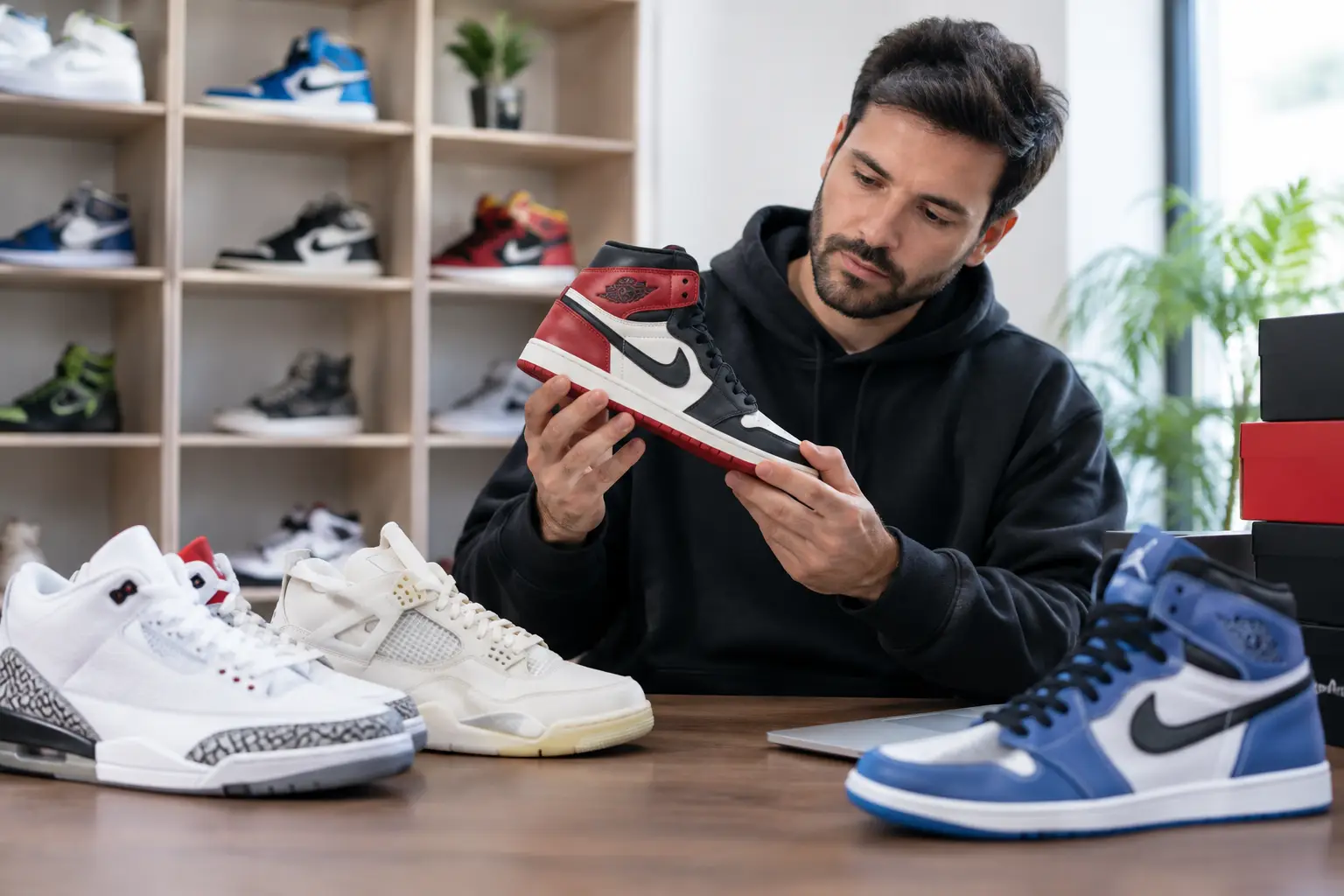
The Air Jordan line remains the clearest example. Not every retro appreciates, and mass-produced releases can be readily available below retail. But key original colorways have decades of basketball history, fashion relevance, and collector recognition behind them. The shoe has meaning before a new generation even sees it on social media.
A good collaboration works similarly. The best ones feel native to both partners. A thoughtfully executed New Balance project, for example, can gain value because it fits the collaborator's world while respecting the brand's running heritage. A random logo placement rarely has the same staying power.
2. Supply that is truly constrained
Limited production can support value, but release labels are not enough. “Limited” has become a loose term in sneakers. What matters is how many pairs reach the market compared with how many people actually want them.
A regional exclusive, a friends-and-family sample, or a short-run shop collaboration can be scarce in a meaningful way. So can a general release with a surprisingly tight size run. On the other hand, a highly promoted release may have broad distribution and thousands of pairs available. It can still be a great wear, but a sellout alone does not make it a collectible.
Be careful with artificial rarity. Brands can create urgency through staggered drops, exclusive access, and heavy teaser campaigns. Those tactics may produce a sharp first-week premium. Long-term value needs a second wave of buyers who care about the shoe beyond being early.
3. Wearability and design longevity
Collectors may preserve pairs in boxes, but most sneaker culture happens on foot. Models that work with denim, cargos, tailoring, shorts, and everyday fits have a wider audience over time. Neutral palettes, balanced blocking, and recognizable branding often age better than loud colors tied tightly to one trend cycle.
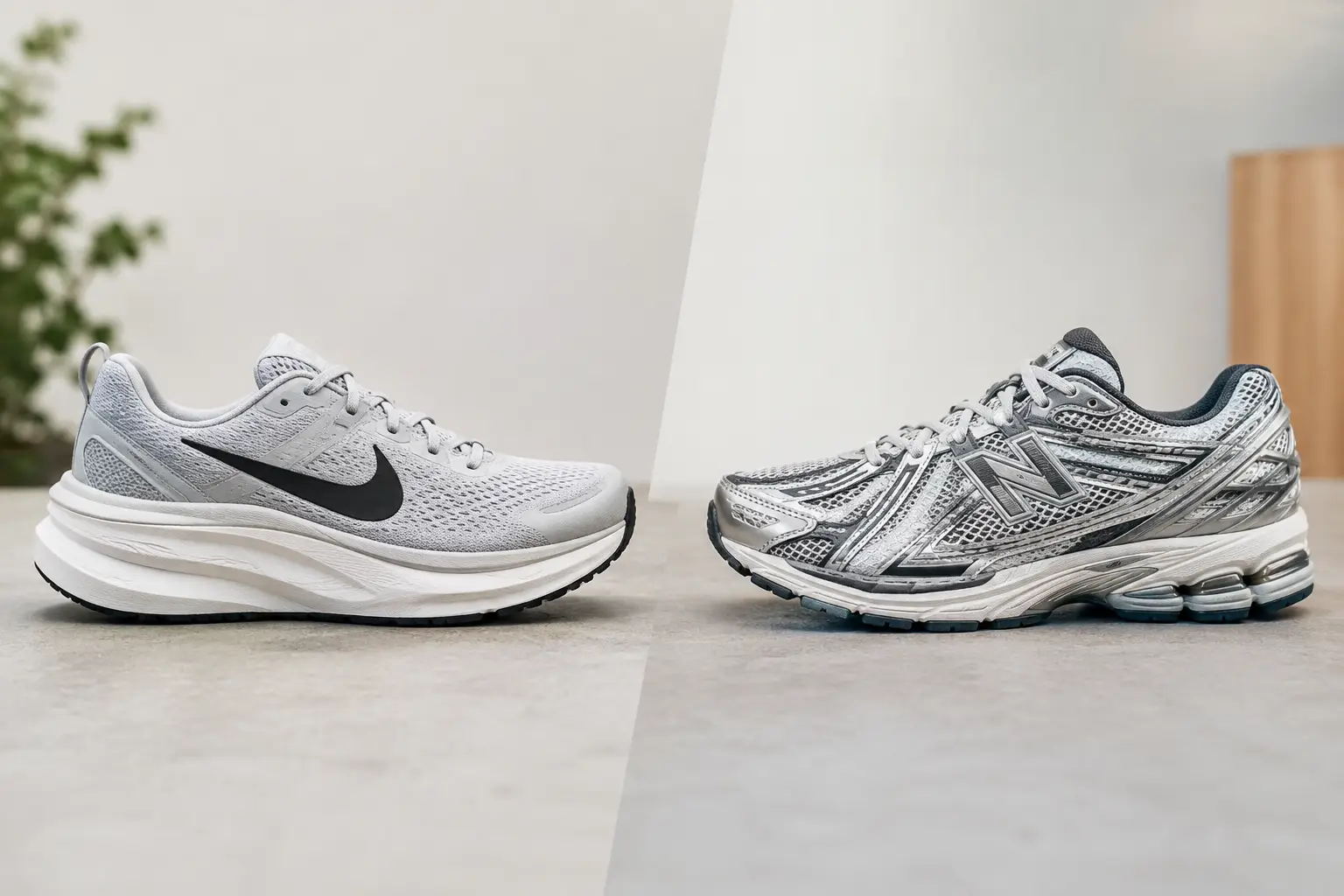
This is why certain collaborations with understated color schemes perform so well. They are distinct without being difficult to style. A gray New Balance with premium materials or a clean Air Max 1 in a classic palette can feel current for years rather than locked into a single season.
There is a trade-off here. The strangest sneaker in a collection may become the rarest. But if it is hard to wear and the cultural moment around it passes, its buyer pool can be narrow. Wearability does not guarantee appreciation, yet it gives demand more places to live.
4. Size demand and market liquidity
Value is not just the highest sale attached to a model. It is the ability to find a buyer at a realistic price. That is where size matters.
Men's sizes 8 through 11 often have the deepest pool of buyers for many lifestyle releases, though this varies by model, region, and the intended audience. Smaller and larger sizes can command premiums when supply is especially limited, but they may also take longer to sell. Women's-exclusive drops follow their own pattern, with popular extended sizes sometimes becoming the hardest to find.
If you are buying with value in mind, look beyond headline pricing. Check whether the pair is moving consistently across multiple sizes. A sneaker with steady demand is usually more useful to own than one with a single inflated sale and little activity afterward.
5. Condition, completeness, and patience
Condition changes the conversation quickly. Deadstock pairs with the original box, extra laces, special packaging, and proof of a complete release generally attract stronger collector interest. For vintage sneakers, clean wear, intact soles, and the absence of crumbling foam can matter even more than the box.
That said, not every valuable sneaker needs to stay unworn forever. Some models are made to be worn, and a carefully worn pair can still hold strong value if it is clean, well kept, and increasingly difficult to find. The real mistake is treating every sneaker like an investment product. Materials age, trends shift, and stored pairs can deteriorate too.
Patience is often the overlooked factor. Many releases peak immediately because attention is at its highest. Some cool off once pairs arrive, then rebuild when stock disappears and styling interest returns. Buying after the first wave of hype can be smarter than chasing the launch-day premium.
Categories with a strong track record
Certain categories deserve closer attention because they repeatedly attract collectors, even though individual releases can still miss.
- Original and historically important retros: Air Jordan colorways, iconic Air Max releases, and shoes tied to defining athletes or moments tend to have built-in reference value.
- Credible collaborations: Shop, designer, artist, and boutique projects hold up best when the partnership has a real point of view and a strong product.
- Nike SB and skate-connected releases: Their local stories, limited distribution, and dedicated collector base can create enduring demand.
- Low-volume, premium runners: Select New Balance, ASICS, and Saucony projects benefit from quality materials, mature styling, and a collector audience that values detail.
- Discontinued or era-defining lines: Some Yeezy releases and other models from closed chapters can rise because future supply is no longer certain, though demand can remain volatile.
The category is a starting point, not a shortcut. A weak colorway from a strong line can struggle, while an unexpected general release can grow into a favorite through styling and cultural adoption.
What usually does not hold value
Overproduction is the obvious reason a sneaker falls below retail, but it is not the only one. Repetitive colorways can dilute excitement around a silhouette. A collaboration that feels disconnected from its partner may get attention without earning affection. Trend-driven shoes can also lose momentum once the outfits and personalities that made them viral move on.
There is nothing wrong with buying these pairs. In fact, some of the best sneakers to wear are easy to find at a fair price. The problem begins when “sold out” is mistaken for “collectible.” Buy a pair you genuinely want in your closet first. Potential value should be a bonus, not the only reason it earns space on your shelf.
A better way to evaluate the next release
Before buying, ask a few direct questions. Does the shoe connect to a silhouette or story people will still care about next year? Is the colorway easy to wear? Is the release genuinely limited relative to its audience? Are people talking about the product itself, or only its resale price?
Then consider your own time horizon. If you want a sneaker to wear now, prioritize fit, comfort, and personal style. If you are collecting, seek complete pairs, important colorways, and designs you would still be happy to own if the market softened. That mindset keeps the collection sharper and makes the wins feel more meaningful.
The sneakers that hold value best are rarely just commodities. They are the pairs people remember, reference, photograph, and want to wear again after the hype has found something new.