A pair priced 30% under market can feel like a win right up until the stitching is off, the box label looks wrong, and the seller stops replying. In this market, the best ways to spot fakes are rarely about one obvious mistake. They come from reading the full picture: product details, seller behavior, pricing logic, and how the transaction is handled.
Counterfeits have improved. So have deceptive listings. That means buyers, collectors, and resellers need a sharper process, not just better instincts. If you source online, buy for personal wear, or move inventory at volume, the goal is simple: reduce uncertainty before money changes hands.
The best ways to spot fakes start before the product
Most people begin with the item photos. That matters, but it is not the first filter. The first filter is whether the deal makes sense.
Start with price. If a sought-after release is listed far below current market value, there is usually a reason. Sometimes a seller needs a quick payout. More often, the listing is hiding condition issues, missing accessories, or authenticity problems. A low price is not proof of a fake, but it should raise the level of scrutiny.
Next, look at timing and availability. If a seller somehow has full size runs of a hard-to-source sneaker or repeated quantities of a limited streetwear drop without a believable sourcing story, that is another signal. Real inventory leaves patterns. Fake inventory often ignores them.
Then look at how the seller presents the item. Strong sellers tend to know what they have. They include clear condition notes, original accessories, size and release details, and direct answers. Weak or evasive listings create fog on purpose.
Check product consistency, not just one detail
A lot of buyers get trapped by social media style legit checks that focus on one tiny tell. That approach is outdated fast. Manufacturers change factories. Retail pairs vary. Lighting changes color. One detail alone is rarely enough.
The better method is consistency. Ask whether all visible elements agree with each other.
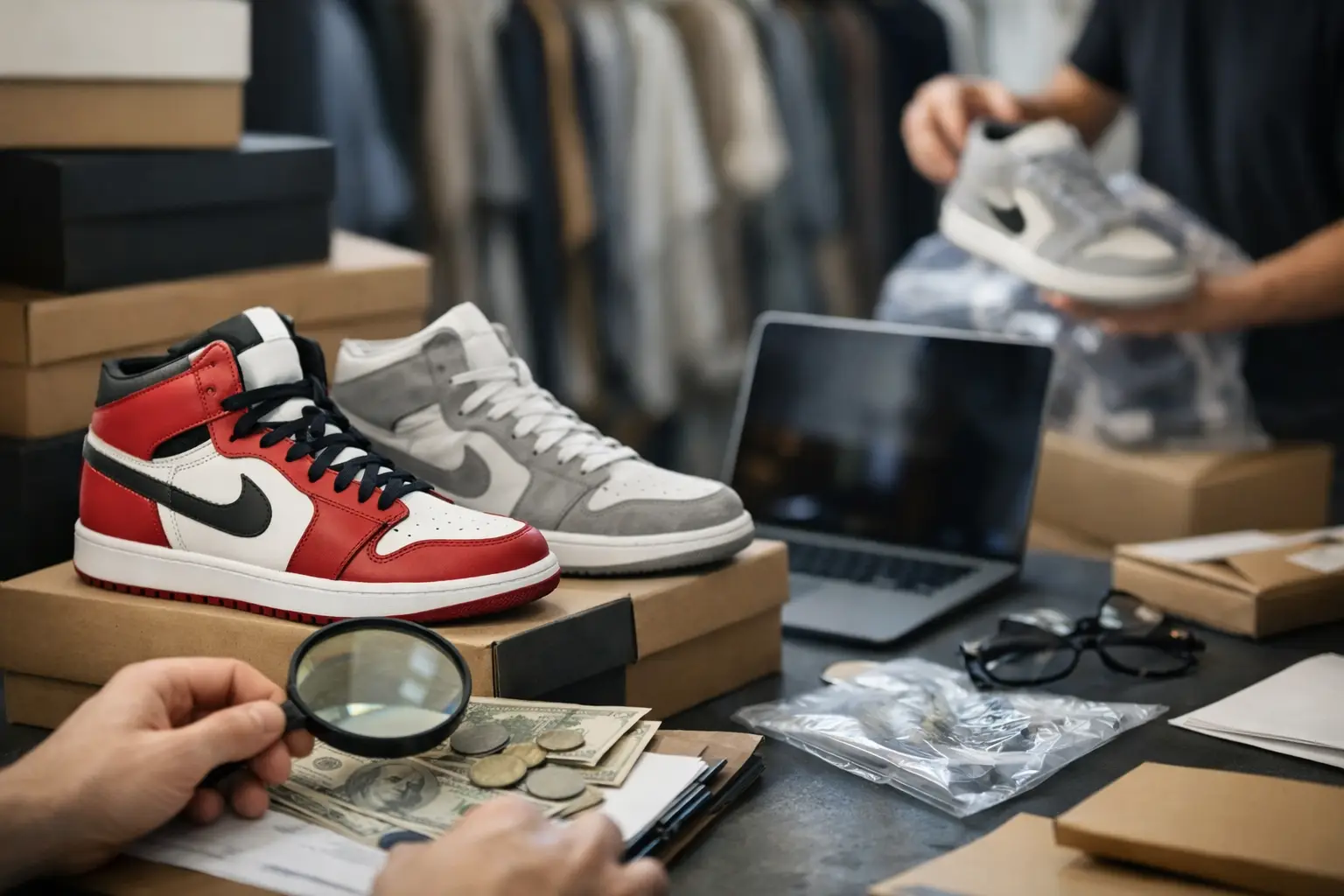
For sneakers, inspect shape, stitching, panel cuts, material texture, logo placement, insole print, outsole pattern, size tag, and box label together. If the shoe shape looks close but the font on the label is wrong, the paper inside the box looks generic, and the stitching density changes from left shoe to right shoe, that combination matters.
For streetwear, consistency means fabric weight, neck tag construction, wash tag formatting, print sharpness, placement, and garment proportions. Fake tees and hoodies often get one or two things right while missing the full build. The blank feels wrong, the print sits too high, or the care tag language does not match the brand and season.
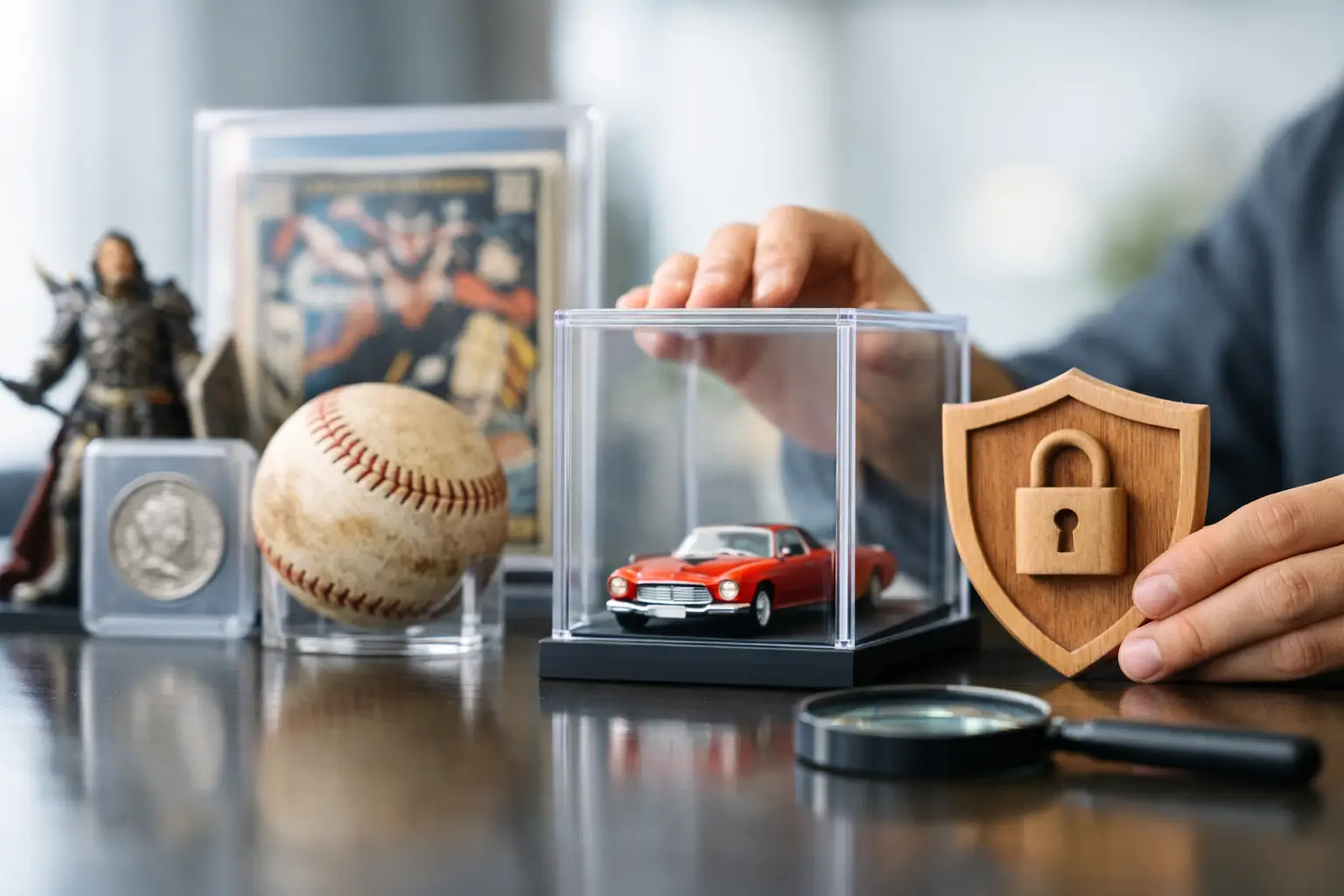
For collectibles, look at packaging quality, seal type, print clarity, serial markings, and manufacturing finish. Counterfeits often miss tolerance. Edges are rougher, plastics are cloudier, and typography lacks precision.
Photos tell you a lot if you know what to request
The best ways to spot fakes in online transactions depend on photo quality. If the listing only shows one angled shot and a box top, you do not have enough information.
Ask for close, well-lit images of the exact points that matter for the category. For sneakers, that usually means toe box shape, heel embroidery or branding, insole, size tag, outsole, box label, and any included accessories. For apparel, ask for front print, back print, neck tag, wash tag, stitching at hems, and fabric texture in natural light.
What matters is not just whether the seller sends the photos. It is how they send them. Fast, clear, specific responses suggest control over the item. Cropped images, blur, reused backgrounds, or excuses about why certain angles cannot be shown are all warning signs.
Also check whether the photos look original. Reverse image matches, inconsistent lighting across shots, or product images pulled from multiple sources often point to a seller who does not have the item in hand.
The seller can be the biggest tell
A fake item usually comes with a weak selling pattern. That is why seller analysis matters as much as product analysis.
Look for history. Has the seller moved similar products before? Do they understand release names, sizing, and condition grading? Are they consistent in communication and realistic about value? Serious sellers usually speak in specifics because specifics close deals.
Pay attention to pressure tactics. If someone pushes for off-platform payment, rushes you to send funds, or avoids buyer protection to save on fees, walk away. Fraud thrives where documentation disappears.
Tone matters too. A seller does not need to sound corporate, but they should sound credible. Vague answers like “got it from a friend” or “don’t know much about it” can happen with personal closet cleanouts. But if that same seller is moving multiple high-demand items, the story stops making sense.
Compare against known authentic references carefully
Reference checking is useful, but only if the source is reliable. Many buyers compare against random social posts or marketplace images that may also be fake. That creates false confidence.
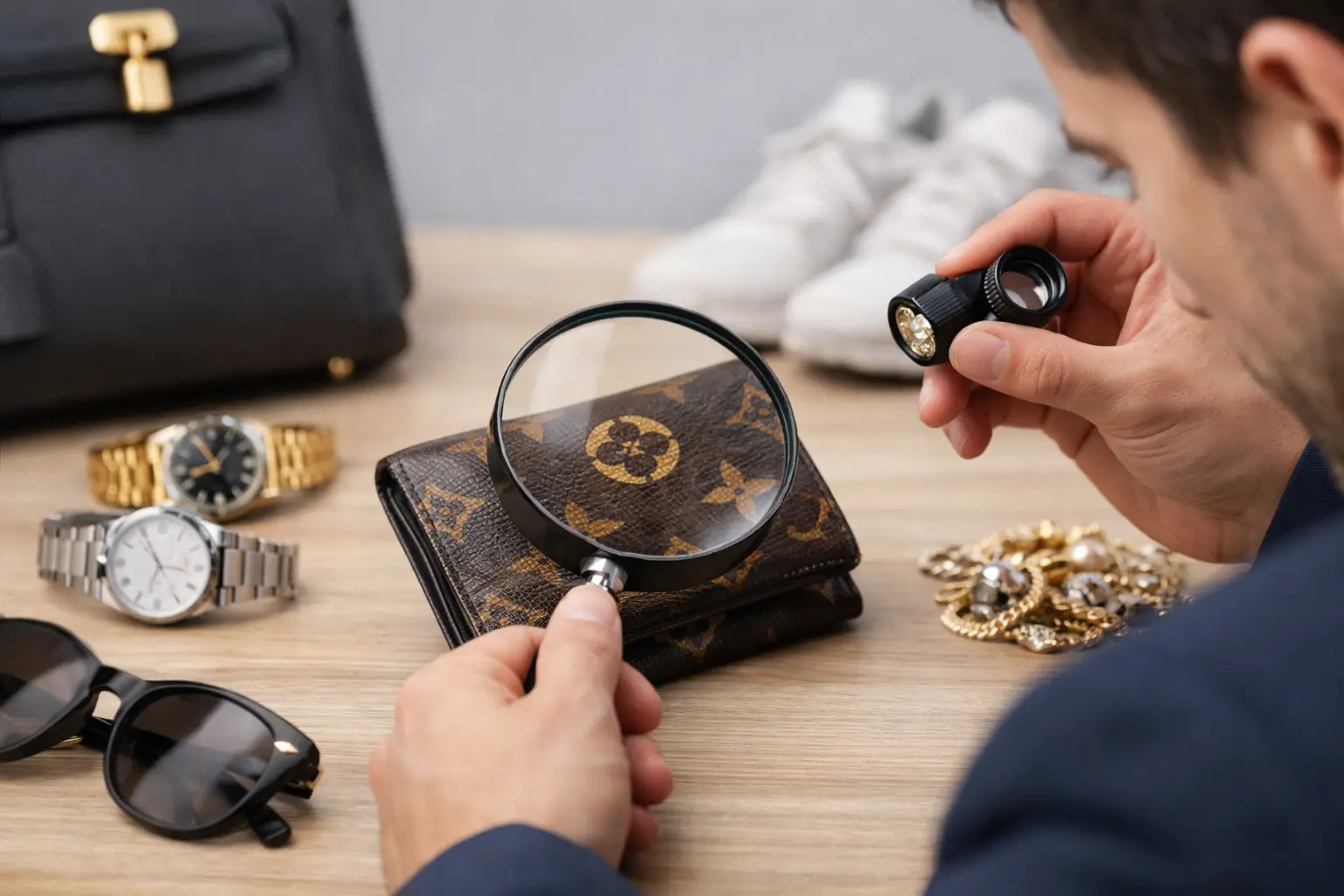
Use confirmed retail references, trusted archival images, and verified examples from reputable authentication sources. Compare fonts, spacing, shape, materials, and packaging details, but keep production variation in mind. A small difference does not always mean fake. A pattern of differences is what matters.
This is especially true with sneakers made across different factories or restocks. You may see variations in glue lines, insole shade, or box sticker placement. The right question is not “Is this detail different?” It is “Is this difference consistent with known retail variation, or does it point to a different product altogether?”
The transaction structure matters more than most buyers think
One of the best ways to spot fakes is to look at the safety built into the sale. If the transaction depends entirely on trust between two strangers, your risk is high even when the listing looks clean.
Protected payments, documented listings, tracked shipping, and independent authentication all reduce room for fraud. They do more than help after a problem appears. They actively discourage bad actors from participating in the first place.
That is why managed marketplaces outperform open peer-to-peer deals when the item value is high. When every item is verified before shipment and buyers are protected if the product does not match the listing, the entire decision becomes more efficient. You are not forced to solve authenticity alone with imperfect information.
For buyers sourcing premium sneakers, streetwear, and collectibles regularly, this is not just about security. It is about margin. One fake pair can wipe out profit across multiple transactions.
Best ways to spot fakes by category
Different categories fail in different places, so your checks should match the product.
Sneakers
Shape and proportion are often stronger indicators than one microscopic detail. Look at the toe box height, heel curve, tongue padding, and overall silhouette. Then move to stitching, label fonts, date formatting, box consistency, and smell. That last one is not a joke. Fake pairs often have unusually strong chemical odors from lower-grade materials and adhesives.
Streetwear
Start with the blank. Fabric weight, drape, and cut tell you more than hype graphics. Then inspect print quality, puff or cracked ink where relevant, tag construction, wash tag language, and stitching finish. Counterfeit apparel often gets branding close while missing the garment quality that real buyers notice immediately in hand.
Collectibles
Packaging is critical. Look at seal integrity, cardboard finish, insert quality, and print registration. Check serial details where applicable, and inspect paint application or molded parts for precision. Fakes often look acceptable from a distance and weak under close inspection.
Know when not to trust your own eye
This is where experience saves money. Some fakes are obvious. Others are built to pass casual inspection and even fool buyers who know the basics. If you are uncertain, that is not a sign to gamble. It is a sign to slow down.
There are times when the smartest move is to pass on the deal entirely. If the seller is vague, the photos are weak, the price is off, and the transaction lacks protection, you do not need a final verdict on authenticity. You already have enough reason not to buy.
And if the item is expensive, rare, or intended for resale, independent verification is worth more than confidence. Platforms built around authentication remove a lot of the noise that makes this market inefficient. Solepoint, for example, uses a managed model where items are verified before shipment, which helps serious buyers source with more certainty and less wasted time.
The market rewards speed, but it punishes careless speed even harder. The buyers who stay ahead are not the ones chasing every deal. They are the ones who know when a listing deserves trust, when it deserves deeper scrutiny, and when it is better left alone.