A rare pair shows up at the right price, the photos look clean, and the seller says they can ship today. That is exactly when mistakes happen. A real guide to collectible buyer protection is not about buying less - it is about buying with better controls, especially when sneakers, streetwear, and limited collectibles move fast and prices leave little room for error.
In resale, risk usually comes from three places at once: authenticity, listing accuracy, and transaction handling. Most buyers focus on the first one and stop there. That is too narrow. Even a real item can become a bad buy if the condition is misrepresented, the payment path is weak, or the shipping chain is unreliable. Protection only works when the whole transaction is built to reduce failure points.
What collectible buyer protection actually means
Buyer protection gets used as a catchall term, but not all protection is equal. At a minimum, it should cover payment security, order tracking, and some type of remedy if the item never arrives or arrives materially different from the listing. For higher-risk categories like sneakers, streetwear, trading collectibles, and limited accessories, that baseline is not enough.
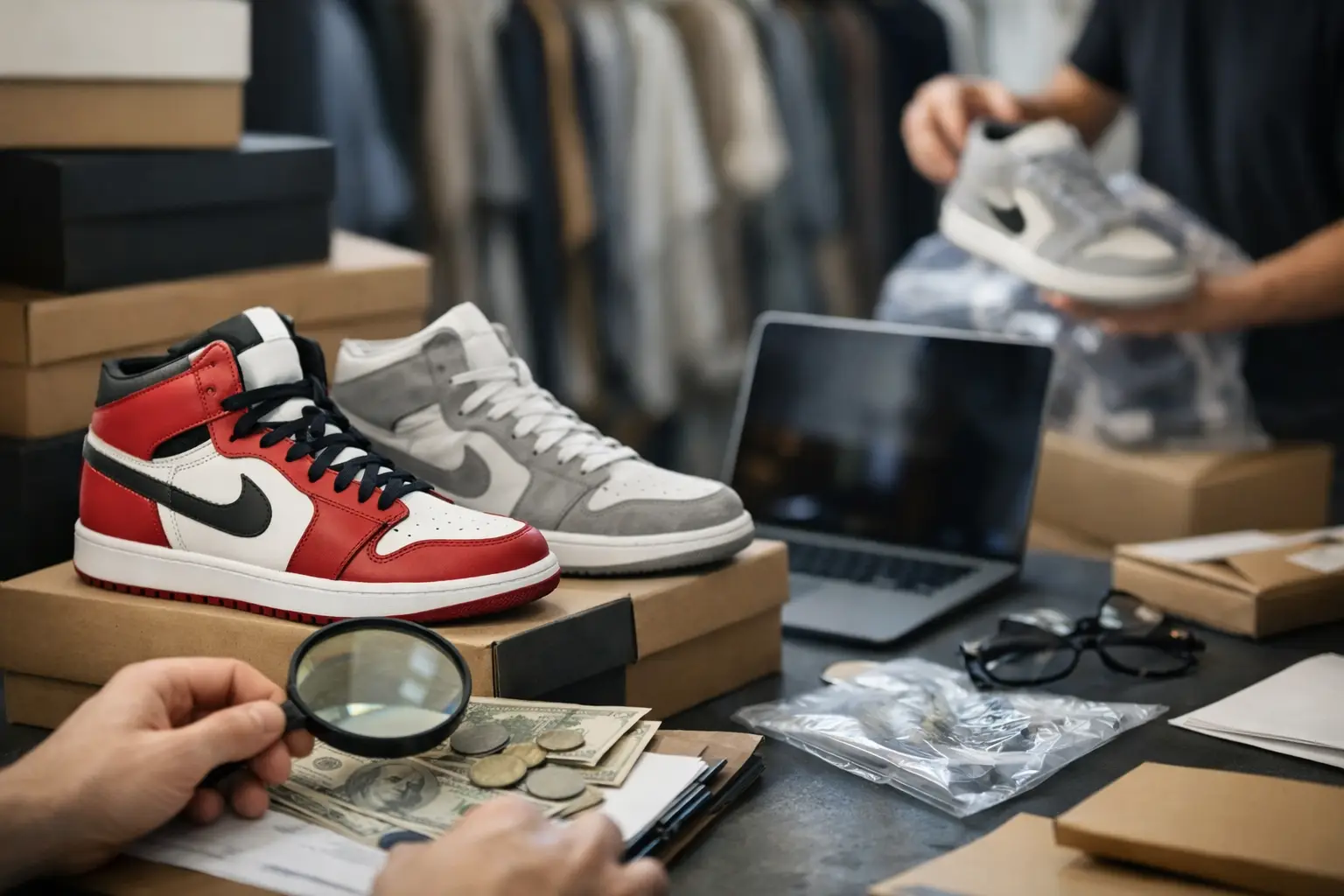
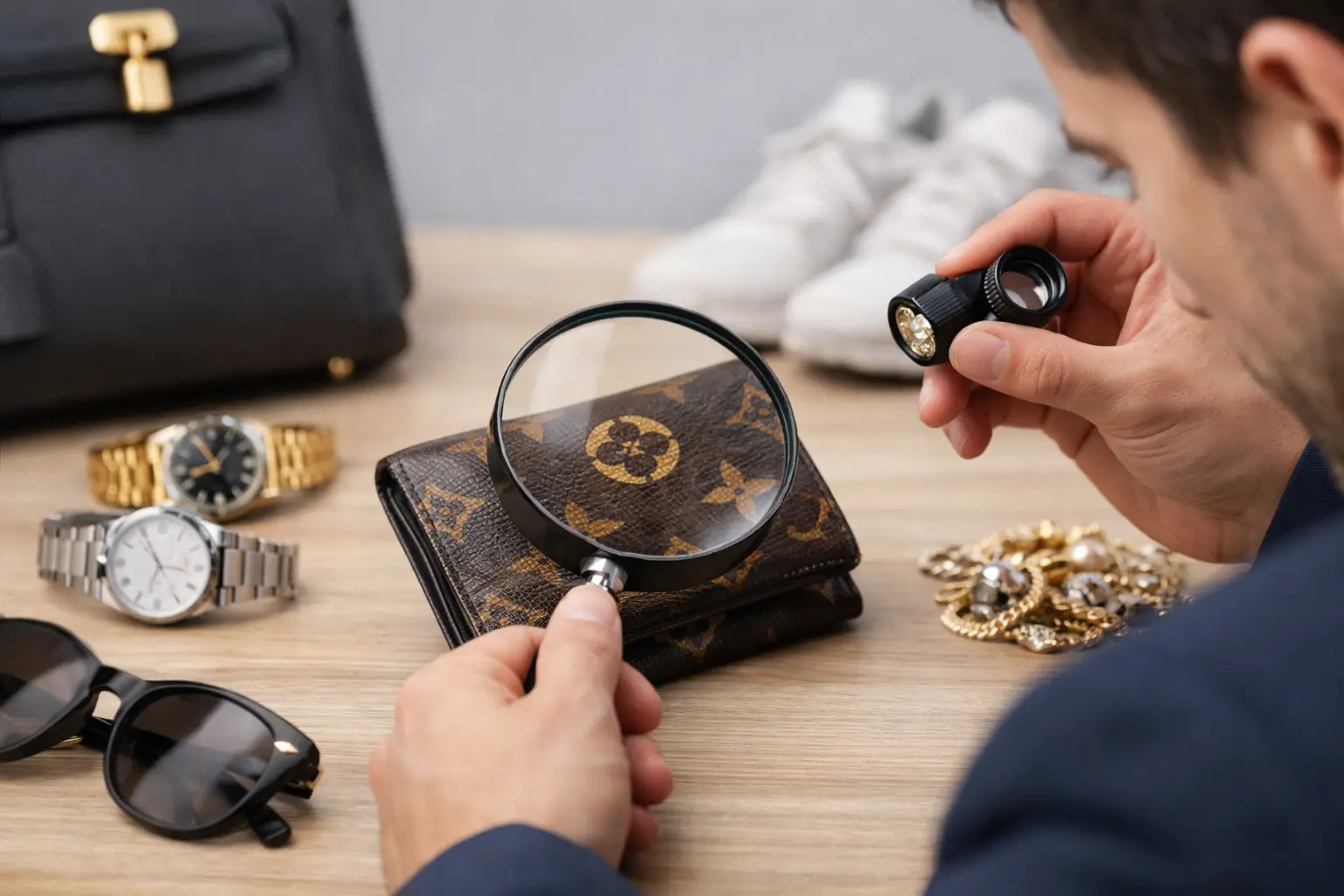
A stronger model adds expert authentication before the item reaches the buyer. This matters because fraud in collectibles is rarely obvious. The issue is not always a low-quality fake. It can be a convincing counterfeit, a swapped box, missing accessories, replaced insoles, undisclosed restoration, or a listing that uses old photos from a better pair. Basic payment protection does not catch those problems early. Operational controls do.
That is why the best guide to collectible buyer protection starts with marketplace structure, not just buyer behavior. If a platform manages authentication, payment holding, and shipping checkpoints, your risk profile changes immediately. If it leaves everything to a direct buyer-seller exchange, your protection depends on how much goes wrong and how hard it is to prove it after delivery.
Why collectibles create a different kind of buyer risk
Collectibles are not standard retail products. Two pairs of the same shoe can have very different market value based on condition, factory variations, packaging, release region, and wear history. The same goes for streetwear pieces with cracking prints, altered tags, or replacement bags. That makes disputes more subjective unless the transaction is designed to verify details before shipment.
Scarcity also changes buyer behavior. When stock is limited and prices move quickly, people rush. They ignore weak photos, accept vague descriptions, or pay outside protected channels to secure the deal faster. Sellers who know this can use urgency as leverage. The problem is not just scams. It is also bad process.
Professional buyers understand this well. If you source inventory regularly, one failed purchase can erase the margin from several successful ones. For personal collectors, the impact is different but still real. You are not just losing money. You are wasting time, missing market windows, and taking on the hassle of a dispute you should not have had to fight.
The four checks that matter before you buy
The smartest buyers do not rely on instinct. They use a simple framework.
First, check how the item is verified. A platform that authenticates every item before final delivery gives you a real control point. A seller claiming authenticity in a caption does not. Those are not equal signals.
Second, check how the payment is handled. Protected payments work best when funds are not released the moment you click buy. If money moves before the item is inspected or confirmed in transit, your position weakens fast.
Third, check listing standards. Good buyer protection depends on clear rules around condition notes, defects, original packaging, and included accessories. If the listing format is loose, dispute resolution gets messy because the item description leaves too much open to interpretation.
Fourth, check fulfillment visibility. Tracked shipping is basic, but what matters more is whether the platform controls the route. In a managed transaction model, the item moves through verification before coming to you. That added step can actually reduce risk, even if it adds a short processing window.
A practical guide to collectible buyer protection in action
The safest buying process is straightforward. You find the item, place the order through a protected checkout, the seller ships to the platform for inspection, the item is authenticated and checked against the listing, and only then is it sent to you with tracking. If the product fails authentication or does not match the listing in a meaningful way, the transaction should not move forward as normal.
This process works because it solves problems before they become arguments. Instead of asking the buyer to prove an issue after delivery, it uses authentication and order handling to catch issues upstream. That is better for everyone involved, including serious sellers who want fewer disputes and faster trust from buyers.
There is a trade-off, and it is worth saying clearly. A managed marketplace may not be the fastest possible route if you compare it to a direct meet-up or instant peer-to-peer shipment. But speed without controls is often false efficiency. In resale, a purchase only feels fast until something goes wrong.
Where buyers still get exposed
Even with protection policies in place, buyers can create their own risk.
The most common mistake is moving the conversation or payment off-platform. Once that happens, many of the protections that made the purchase safe disappear. The seller may offer a lower price to avoid fees or speed things up. Sometimes that is just an incentive. Sometimes it is the entire scam. Either way, you are stepping away from the very structure that protects you.
Another weak point is not reading condition details closely enough. Authentication confirms legitimacy. It does not magically turn a used item into a new one. If a pair has heel drag, yellowing, replacement laces, or a damaged box, that should affect how you value it. Buyer protection is not a substitute for paying attention.
Timing matters too. If there is an issue on delivery, document it immediately. Keep packaging, take clear photos, and report the problem within the platform's stated window. Strong marketplaces can resolve problems more efficiently when the evidence is fresh and the chain of custody is clear.
What strong buyer protection should look like on a resale platform
Not every marketplace offers the same level of control, even if they use similar language. The strongest setup usually includes expert authentication, payment protection, tracked delivery, and a clear refund path when an item fails verification or materially differs from the listing.
It should also be transparent about what is and is not covered. That clarity matters. For example, buyer protection may cover undisclosed flaws but not buyer remorse. It may cover wrong-item shipments but not damage caused after delivery. Good policy design is specific because vague protection sounds good in marketing and performs badly in real disputes.
For sneaker and streetwear buyers, authentication is the center of the system. A trust-first marketplace like Solepoint adds value not just by verifying items, but by controlling the transaction from checkout through inspection and shipment. That operational layer is what turns protection from a promise into a process.
How to buy with confidence without overpaying for safety
Some buyers assume safety always comes with a premium. Sometimes it does. But the better question is whether the total cost of a protected purchase is lower than the potential cost of a bad one. In collectibles, that answer is often yes.
A slightly higher buy-in on a verified, protected marketplace can be cheaper than chasing the lowest price in a risky channel. One counterfeit, one materially flawed pair, or one failed chargeback battle can wipe out any savings. For resellers, that is a margin issue. For collectors, it is a trust issue.
The goal is not to remove every possible risk. That is unrealistic in any secondary market. The goal is to buy where risk is measured, controlled, and backed by a process you can understand before you spend.
If you remember one thing from this guide to collectible buyer protection, make it this: the safest purchase is not the one that looks fine in photos. It is the one built on authentication, protected payments, clear listing standards, and verified delivery. Every item verified. Every transaction protected. That is how collectible buying should work.