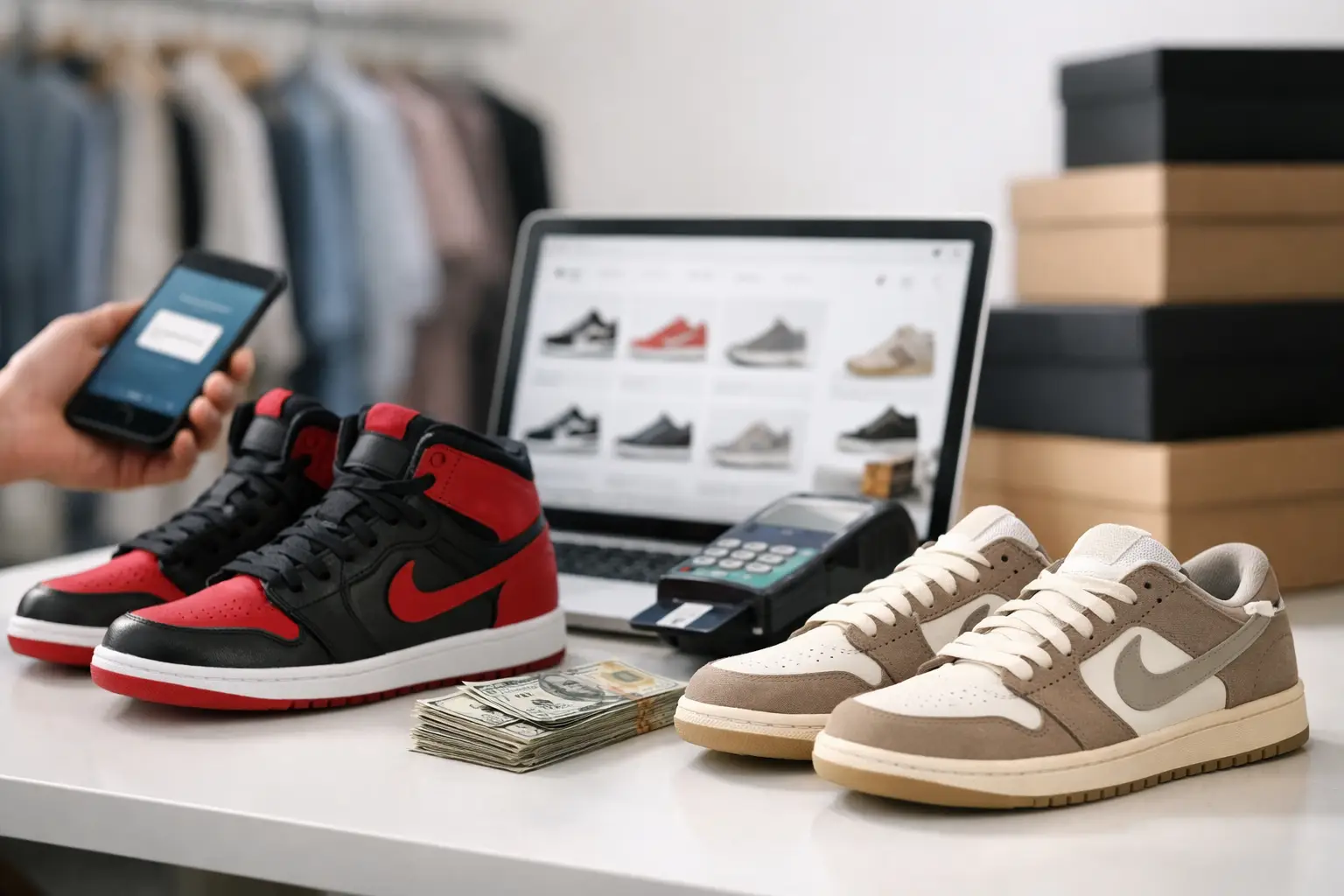
Miss on a release, and the resale market becomes the next move fast. So do scammers. If you want a safe way to buy sneakers, the real question is not just where to shop, but how the transaction is controlled from payment to authentication to delivery.
That matters because most buying mistakes happen before the box even arrives. A price that looks too good, weak listing photos, off-platform payment requests, vague condition notes, or a seller with no real accountability can all turn a grail pickup into a chargeback fight. In sneaker resale, trust is not a nice extra. It is part of the product.
What makes a safe way to buy sneakers
A safe purchase has four parts working together. First, the listing has to be accurate. Second, the payment has to be protected. Third, the pair has to be authenticated before it reaches the buyer. Fourth, delivery has to be tracked and tied to the order.
If even one of those pieces is missing, your risk goes up. You might still get a legitimate pair, but you are relying on luck, not process. That is the difference between buying from a controlled marketplace and buying from a random seller in a chat, comment section, or direct message.
The safest route is usually a managed marketplace model where the platform sits between buyer and seller, verifies the product, and enforces the order terms. That structure reduces the two biggest problems in resale - counterfeit inventory and misrepresented condition.
Why peer-to-peer deals feel cheaper and cost more
A direct deal can look attractive because the sticker price is lower. But lower upfront cost often means higher transaction risk. When a seller wants payment through a transfer app, crypto, gift card, or any method with limited recourse, they are shifting all the risk to the buyer.
Even when the pair is authentic, other issues can show up. The box may be damaged when the listing promised new condition. Accessories may be missing. The size tag may match the listing while the shoe itself has been altered or swapped. Resolving those disputes after money changes hands is slow at best and impossible at worst.
For buyers who care about both personal wear and resale value, details matter. Original box, extra laces, factory condition, correct SKU, and clean provenance all affect what the pair is worth. Safe buying is not only about avoiding fakes. It is about getting exactly what you paid for.
The safe way to buy sneakers starts with the listing
Before authentication even enters the picture, the listing should tell you enough to make a confident decision. Clear product naming, accurate size information, condition notes, and multiple images are baseline signals. If the listing is vague, the transaction already has friction.
Photos should show the actual pair when possible, especially for used or collectible inventory. For new pairs, consistency still matters. You want to know what condition standard is being enforced and whether the marketplace holds sellers accountable for mismatches.
Read the description like a buyer and a reseller at the same time. If you were forced to resell the pair tomorrow, would the listing details protect the value? If the answer is no, keep moving.
Payment protection is not optional
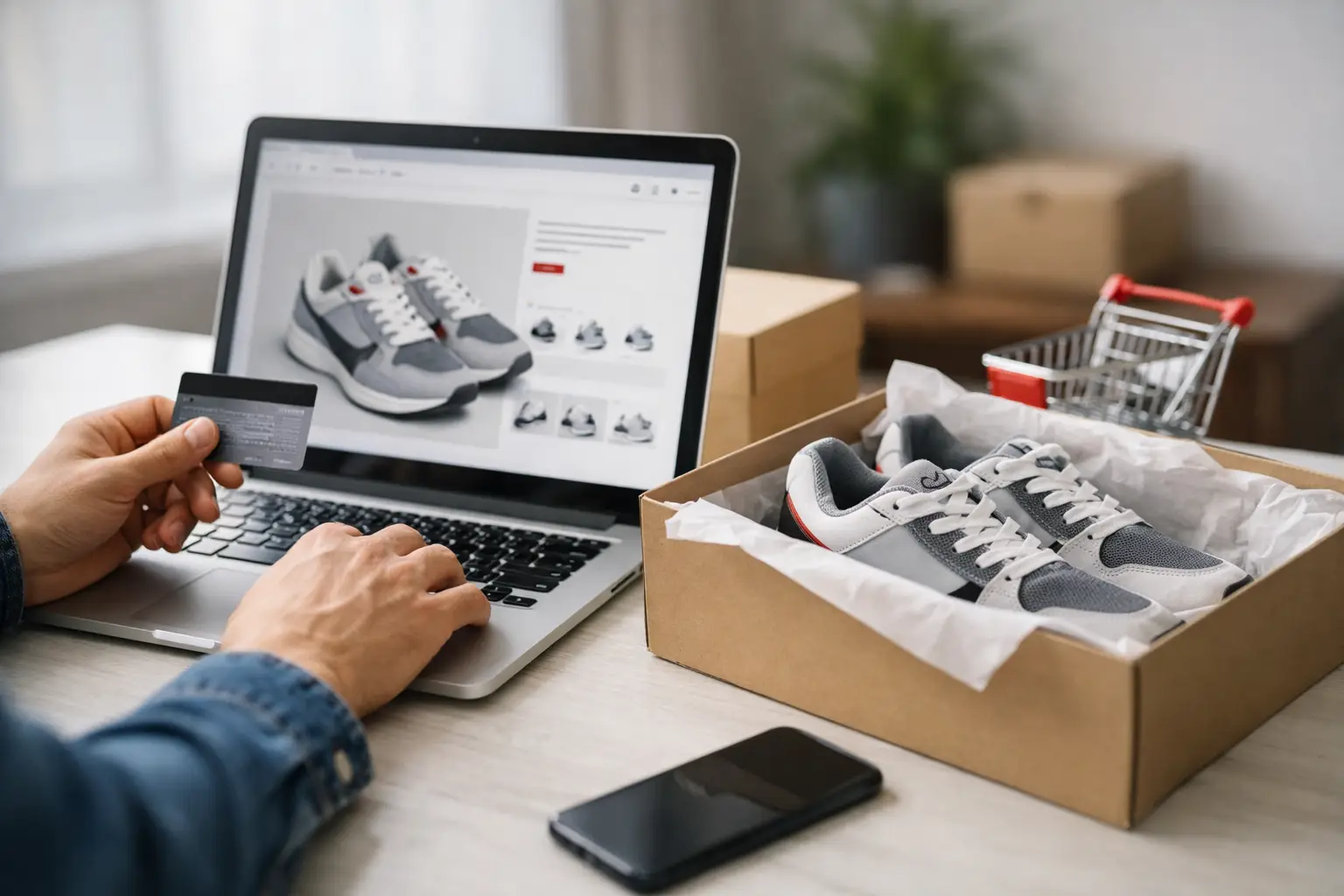
A protected checkout does more than process a card. It creates a transaction record, ties the payment to a specific order, and gives the buyer a formal path if the item does not match the listing or never arrives.
That sounds basic, but many risky sneaker deals happen because buyers leave the platform to save a little money or move faster. Once the conversation shifts to private payment, the built-in protections often disappear. You may save on fees, but you lose the enforcement mechanism that makes a marketplace safe.
Serious buyers know this trade-off. If you are sourcing inventory, buying high-value pairs, or collecting limited releases, transaction protection is part of your margin control. A bad buy does not just cost the purchase price. It ties up cash, time, and future selling opportunities.
Authentication should happen before shipment to you
This is where many platforms separate themselves. Some simply connect buyers and sellers. Others take possession of the pair, inspect it, and then release it to the buyer only after verification. The second model is stronger because it creates operational control.
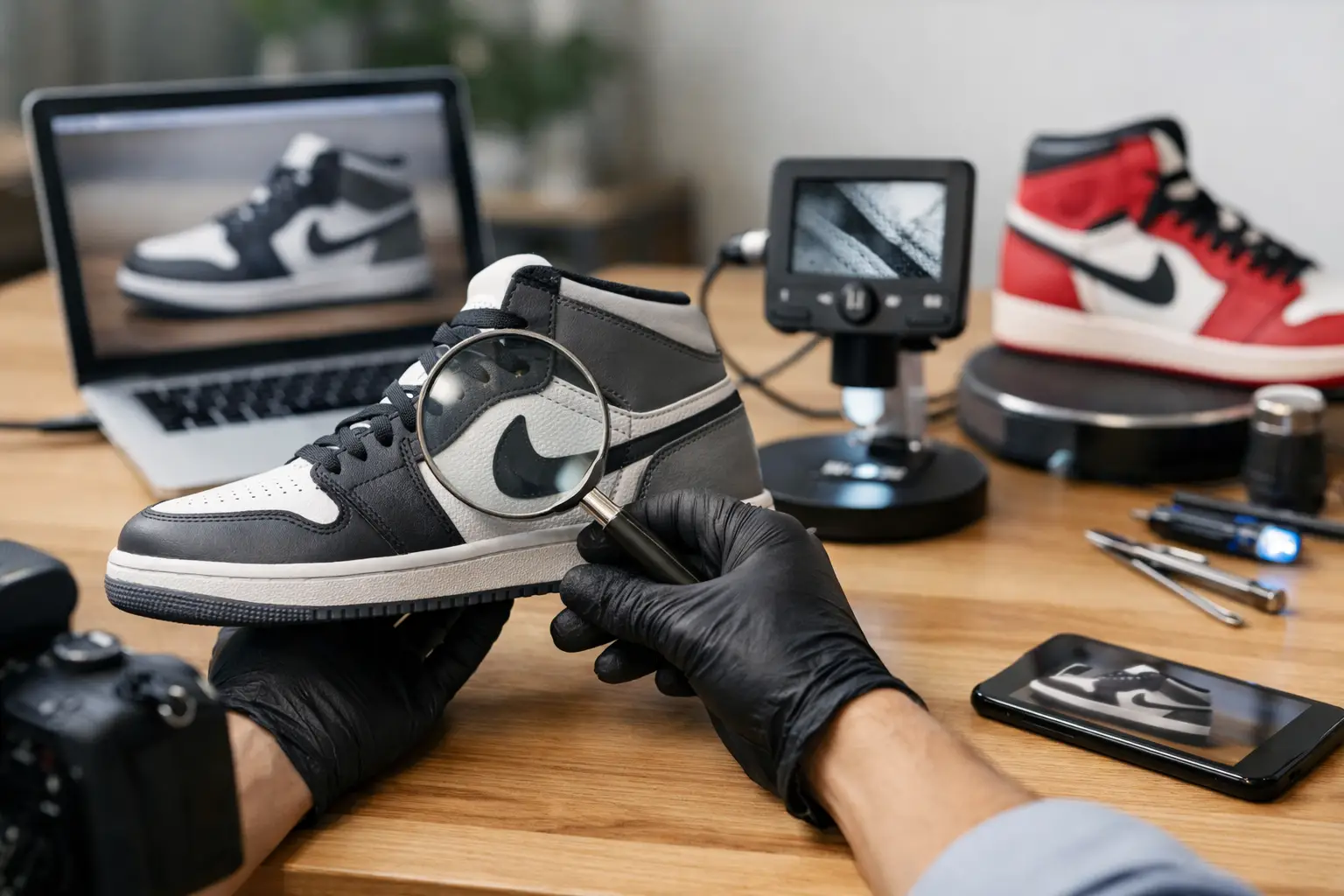
Authentication is not one quick glance. It should involve material checks, label review, shape and construction analysis, packaging consistency, and comparison against known production details. Good authentication teams also understand that counterfeit quality varies by model, factory, and release period.
No single sign proves a pair is fake or genuine in every case. That is why process matters more than shortcuts. A marketplace with expert verification reduces dependence on seller honesty and buyer guesswork.
For high-demand sneakers, this step is where confidence is built. Every item verified. Every transaction protected. That is not just marketing language. It is the standard buyers should expect.
Delivery controls matter more than most buyers think
Once a pair passes authentication, the last risk point is fulfillment. Shipping should be tracked, matched to the order, and handled with enough speed that the buyer is not left in limbo. Delays are not always a red flag, but poor visibility is.
Tracked delivery creates accountability. It also protects both sides if a package is lost, delayed, or challenged after arrival. For expensive pairs, that chain of custody matters.
Fast verification and shipment also have a practical upside. The market moves. If you are buying a pair to wear, speed matters because anticipation is part of the purchase. If you are buying to hold or resell, speed matters because pricing windows can shift quickly.
Red flags that usually mean walk away
Some warning signs are obvious. Others are easy to rationalize when you really want the pair. A seller pushing urgency, refusing platform checkout, using stock photos for a used item, or avoiding questions about condition should lower your confidence immediately.
The same goes for pricing that sits far below market without a credible reason. Deals exist, but the resale market is efficient enough that extreme underpricing usually means hidden problems. It could be a fake, a damaged pair, a bait-and-switch, or a seller trying to force a rushed payment.
Another common issue is incomplete order protection. If there is no clear refund process for listing mismatch, no authentication checkpoint, and no shipping accountability, the buyer is doing all the trust work alone.
How experienced buyers reduce risk without slowing down
The best buyers do not treat every purchase like a gamble. They build a repeatable process. They buy through platforms that control authentication and payments. They compare market pricing before checkout. They check condition closely. And they avoid side deals, even when the seller sounds credible.
That discipline matters even more when you buy often. One clean process beats trying to judge every individual seller from scratch. It reduces mental load and protects your capital.
For collectors, it means fewer surprises and better confidence in the pairs you keep. For resellers and inventory buyers, it means more predictable margins and less time spent fixing preventable problems. A trust-first marketplace like Solepoint is built for exactly that kind of buying behavior.
Choosing the right platform is the real buying decision
Most buyers think they are choosing a sneaker. In practice, they are also choosing a transaction model. That model determines how much fraud risk, condition risk, and delivery risk they are accepting.
A marketplace that authenticates every item, protects payment, and backs the order if the item does not match the listing gives buyers something direct deals cannot - certainty. That certainty has value, especially when the pair is expensive, rare, or intended for resale.
There is still a place for judgment. Not every buyer needs the same level of control on every purchase. If you are buying a common general release from a trusted local source, your risk may feel manageable. But once price, rarity, or distance goes up, process matters more than instinct.
The safest buyers are not paranoid. They are selective. They know the product matters, but the system behind the product matters just as much. Buy where verification is built in, payment is protected, and the listing is enforced. That is the safe way to buy sneakers - and the kind of confidence worth paying for.