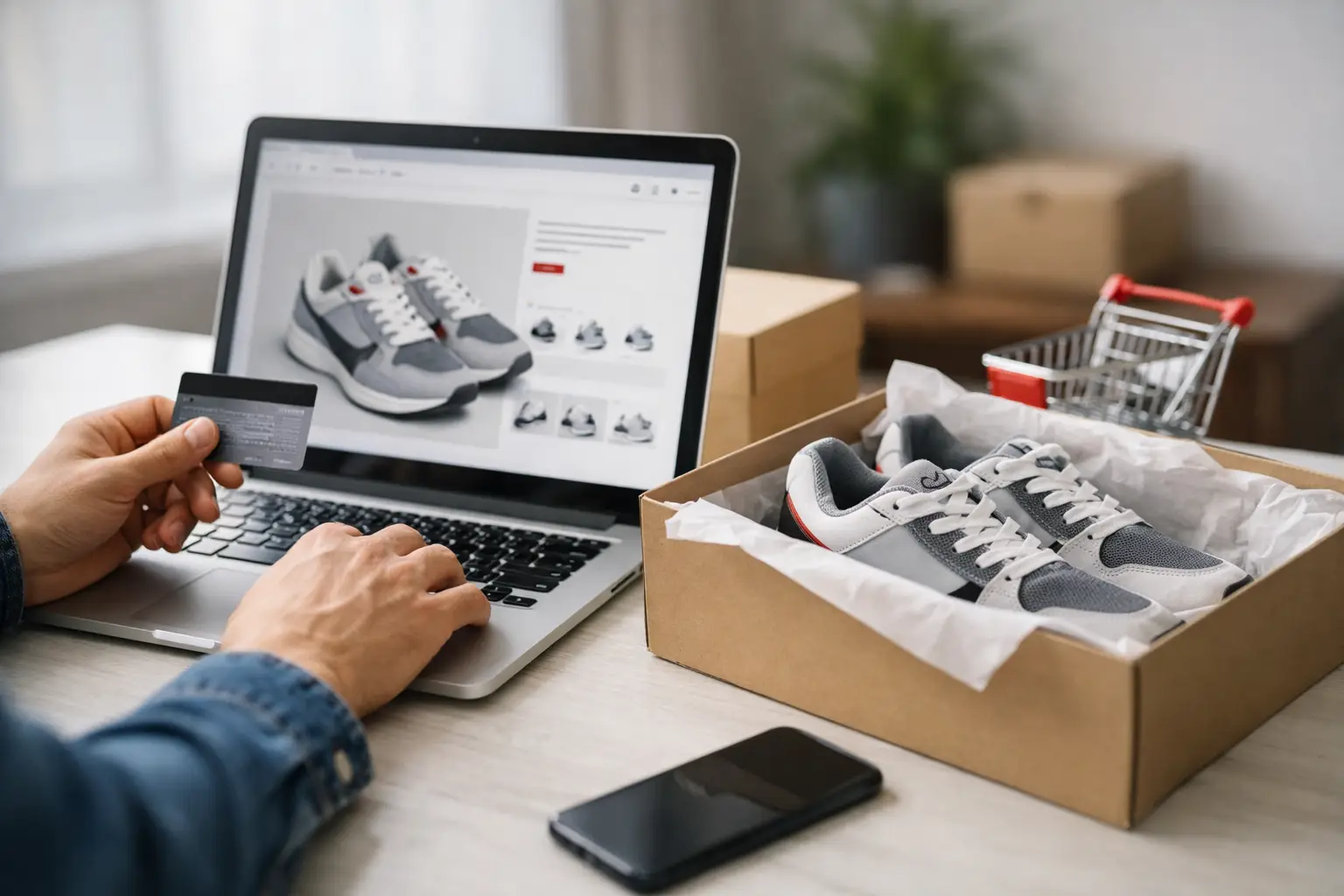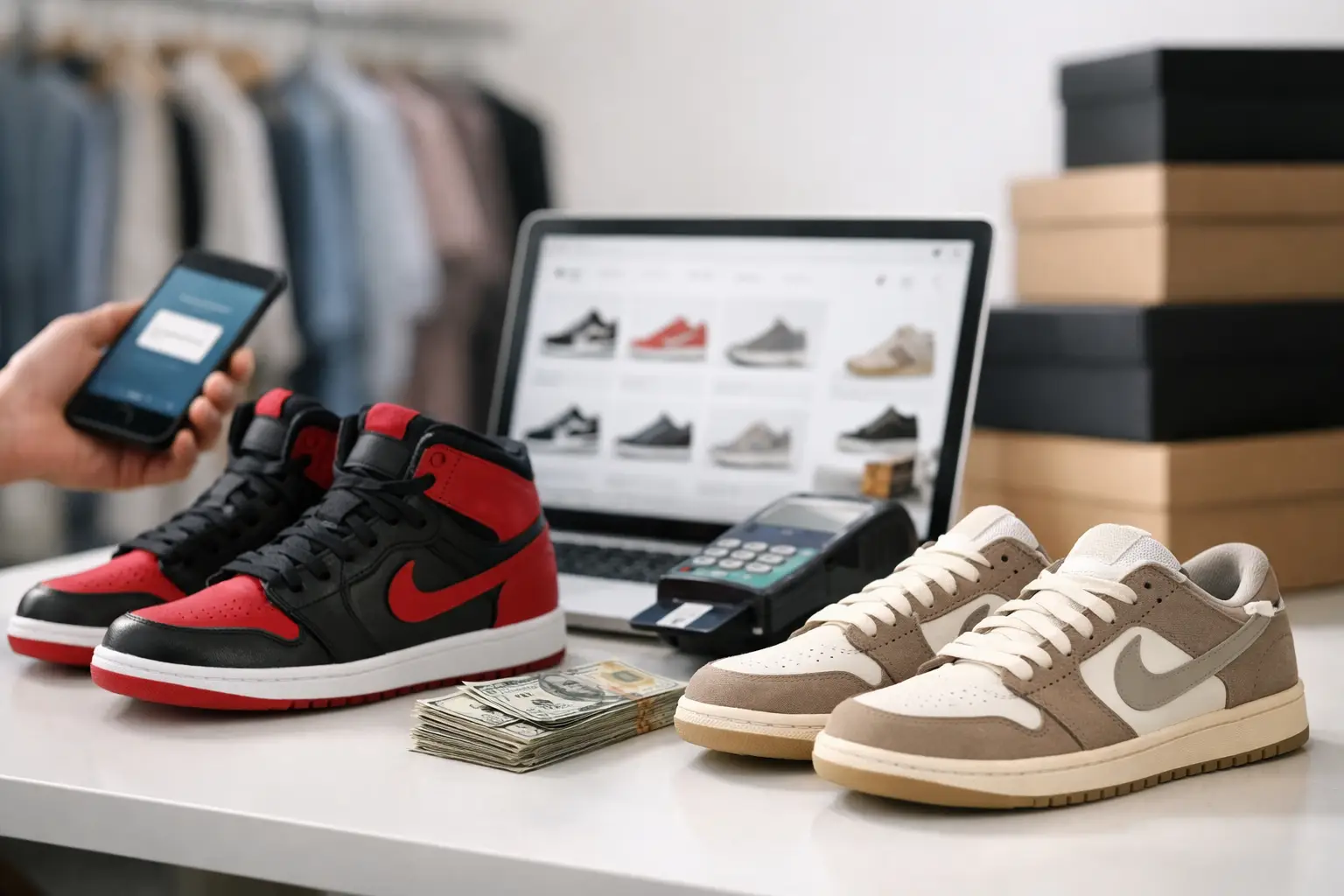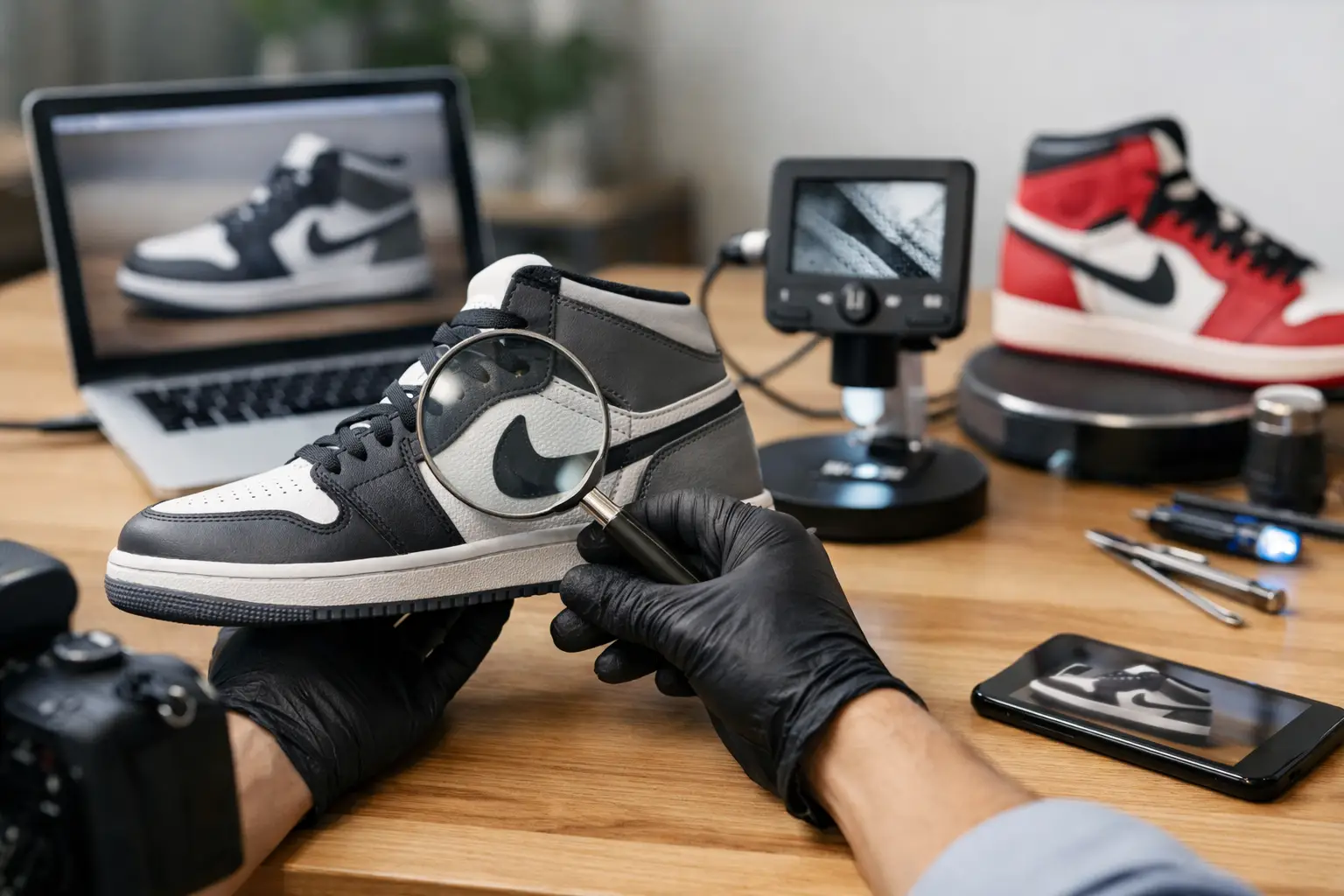
A collectible can look perfect in photos and still be wrong in all the ways that matter. Box swapped. Condition overstated. SKU mismatch. Fake accessories. For anyone trying to buy and sell collectibles online, that gap between listing and reality is where money gets lost.
That is why the best marketplaces do more than match buyers and sellers. They reduce uncertainty. In categories like sneakers, streetwear, and culture-driven collectibles, trust is not a nice extra. It is the product.
Why people buy and sell collectibles online
The market works because demand moves faster online than it ever could locally. A seller with a rare pair, a sold-out drop, or a collectible with strong resale appeal can reach serious buyers far beyond their own city. On the other side, buyers get access to inventory they may never see at retail.
But access alone is not enough. Serious collectors and resellers care about three things at once - authenticity, price, and speed. If a platform is weak on any one of them, volume suffers. Buyers hesitate when they see vague listings or unverified sellers. Sellers leave when payouts are slow or fees erase margin. The platforms that win are the ones that make the transaction feel controlled from end to end.
The real risks when you buy and sell collectibles online
Counterfeits are the obvious problem, but they are not the only one. Plenty of losses come from items that are technically real but inaccurately listed. A sneaker listed as deadstock may have heel drag from a wear test. A collectible sold as complete may be missing inserts, packaging, or key extras that affect value.
Then there is payment risk. In open peer-to-peer environments, the item and the money often move with limited oversight. That leaves room for chargebacks, disputes, non-delivery claims, and conversations that go nowhere after payment is sent.
Speed matters too. A good deal can turn into a bad one if an item sits for days before shipping or takes too long to verify. For personal buyers, that is frustrating. For resellers and inventory buyers, it ties up cash and slows the next move.
What a serious marketplace should actually do
A resale platform should not just host listings. It should control the parts of the transaction that create the most risk.
Authentication is first. Every item should be checked by experts before it reaches the buyer. That matters in sneakers and streetwear because fakes have become more sophisticated, but it matters just as much for collectibles where packaging, labels, components, and release-specific details affect authenticity and value.
Protected payments are next. Buyers need confidence that funds are not simply disappearing into a private transaction with no recourse. Sellers need clarity on when they get paid and what triggers payout.
Then comes logistics. A marketplace with a managed flow can keep shipping and verification moving on schedule, with tracking at each step. That is a much stronger model than hoping two individuals handle everything properly on their own.
This is where a trust-first platform stands apart from a classified listing site. Instead of leaving both parties to sort out the hard part themselves, the platform acts as the control layer.
How to buy collectibles online without taking unnecessary risk
Start with the listing, but do not stop there. Product photos and descriptions still matter, even on a managed marketplace. Check condition details carefully. Look for specifics instead of filler language. If the category has known release variations, make sure the listing reflects the right one.
Then evaluate the marketplace itself. Does it authenticate items before final delivery? Are payments protected? Is tracked shipping standard? Is there a clear refund policy if the item does not match the listing? Those are not minor details. They decide whether a mistake becomes a manageable issue or an expensive one.
Price should be read in context. The lowest listing is not always the best buy. If one pair is significantly cheaper than the rest of the market, there is usually a reason. Sometimes it is a genuine opportunity. Often it signals undisclosed condition issues, missing accessories, or increased authenticity risk. Paying slightly more inside a controlled marketplace can be cheaper than chasing a bargain through a dispute.
For buyers sourcing regularly, consistency matters more than one-off wins. A platform that verifies every item and protects every transaction creates a better buying operation over time, especially if you are purchasing for resale, collection building, or client orders.
How to sell collectibles online and protect your margin
Selling well is not just about listing the item. It is about removing friction for the buyer while keeping your process efficient.
First, be accurate. Overstating condition might attract a click, but it creates problems later. In a marketplace with authentication and listing checks, accuracy works in your favor. Clean descriptions, correct sizing or product data, and honest condition notes reduce the chance of delays or disputes.
Second, understand what buyers pay for beyond the item itself. They pay for confidence. A verified sale through a managed platform can convert faster than an off-platform negotiation because the buyer knows the transaction is protected. That trust often supports stronger pricing than a risky direct sale.
Third, factor in speed. Fast verification and rapid payouts matter if you move inventory regularly. A low-fee platform is useful, but if it slows payment or limits exposure to serious buyers, the hidden cost can be higher than the fee savings.
For sellers with multiple pairs, rotating stock, or business-level volume, audience quality matters just as much as audience size. Broad traffic is not the same as qualified demand. A marketplace built around sneakers, streetwear, and collectibles attracts buyers who already understand the category and are ready to transact.
Why authentication changes the economics
Authentication is often framed as a buyer feature, but it benefits both sides.
For buyers, it reduces the chance of paying premium prices for a fake, a swapped item, or a misrepresented product. For sellers, it creates a stronger environment for conversion because trust is built into the transaction. That can mean fewer questions, less negotiation friction, and better closing rates.
It also helps the marketplace itself maintain quality. When every item passes through a verification step, bad actors have a harder time operating at scale. That protects pricing integrity across the platform. In categories driven by hype, scarcity, and release timing, that kind of control is a real competitive advantage.
There is a trade-off, of course. Authentication adds a process step. But for high-value goods, that step is usually worth far more than the time it takes. Speed without verification is only useful until something goes wrong.
Buy and sell collectibles online with a platform, not a gamble
The difference between a strong marketplace and a risky one is simple. In one, the platform is actively managing trust. In the other, trust is mostly outsourced to strangers.
A managed transaction model gives both sides a clear path. The seller lists the product. The buyer completes checkout through the platform. The item is verified before it is shipped onward. Payment protection, tracked delivery, and a defined resolution process are built in. That structure does not remove every possible issue, but it reduces the biggest ones before they turn into losses.
For collectors, that means more confidence buying rare or high-demand pieces. For flippers and volume sellers, it means a cleaner operating model. For retail buyers and sourcing teams, it means less time wasted chasing inventory that never arrives as expected.
This is exactly why specialized marketplaces continue to outperform generic resale environments in premium categories. They understand that the product is not just the sneaker, the hoodie, or the collectible. The product is certainty.
Platforms like Solepoint are built around that idea - every item verified, every transaction protected. That matters whether you are moving one pair from your personal collection or sourcing at scale for resale.
The smartest move in resale is usually not finding the cheapest listing or the lowest fee. It is choosing the environment where good inventory moves cleanly, buyers feel safe spending, and sellers can turn product into cash without unnecessary drag.