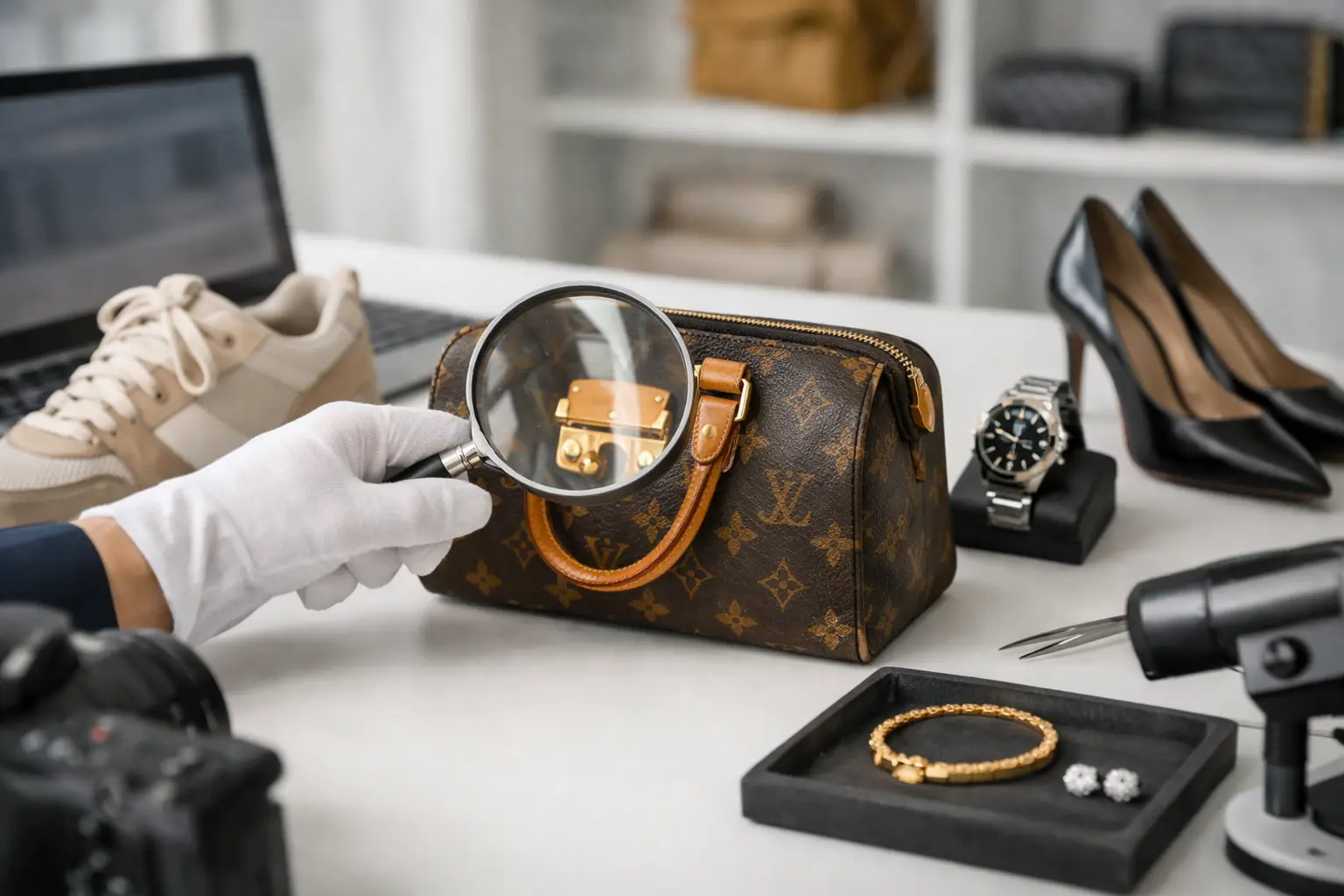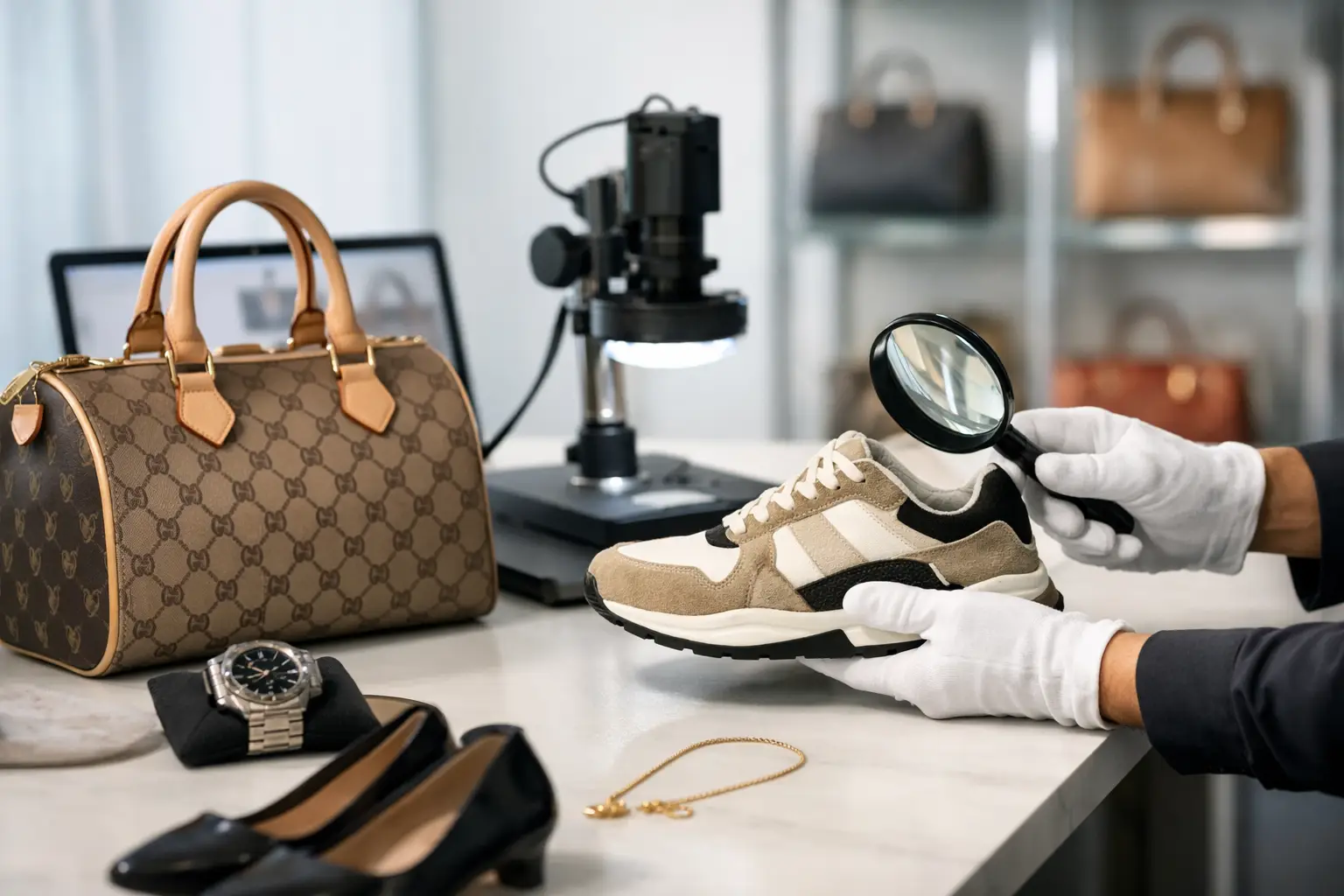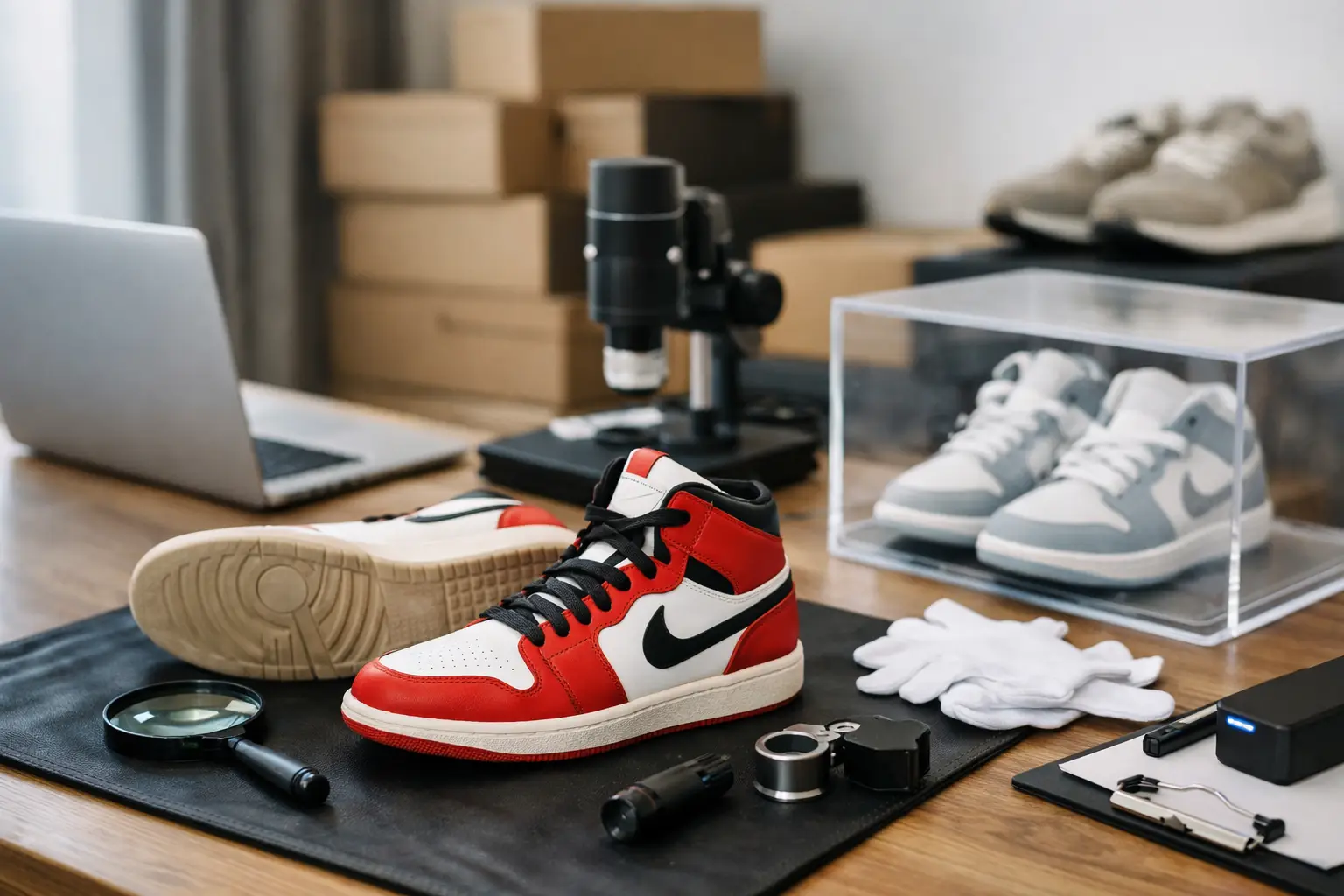
Miss on a release by ten seconds, and the resale market becomes your only option. That is exactly why an authenticated sneaker resale guide matters - not as a nice extra, but as the difference between getting the pair you paid for and getting stuck with risk, delays, or worse, a fake.
The resale market rewards speed, but speed without verification is expensive. Buyers want access to hard-to-find pairs without gambling on authenticity. Sellers want strong prices without chargebacks, disputes, or endless back-and-forth with unreliable buyers. A trust-first resale process solves both sides of that equation.
What an authenticated sneaker resale guide should actually help you do
Most guides stop at basic advice like checking reviews or asking for more photos. That is not enough anymore. Counterfeits are better, stolen images are common, and even experienced buyers can get caught when a listing looks clean but the product is not.
A useful authenticated sneaker resale guide should help you judge the transaction, not just the shoe. That means understanding how verification works, when payment protection matters, what makes a listing reliable, and why marketplace structure affects your risk level. In resale, the platform model matters just as much as the product.
Why authentication changes the resale equation
Authentication is not just about confirming that a sneaker is real. It is about reducing uncertainty at every stage of the sale.
On an authenticated marketplace, the process is managed. A seller lists the pair, a buyer pays through the platform, the item is sent in for expert review, and only then does it move forward to the buyer. That structure matters because it removes the weakest part of most peer-to-peer deals - blind trust between strangers.
Without authentication, buyers are left to evaluate screenshots, seller messages, and inconsistent product photos. Sellers face a different problem. Even when the pair is legitimate, they can still deal with false claims, payment issues, and buyers who disappear after negotiating for days. Authentication backed by platform controls gives both sides something more valuable than convenience: certainty.
The buyer side of an authenticated sneaker resale guide
If you are buying, start by looking past the price. The cheapest listing is not always the best buy. A lower ask can hide problems with condition, missing accessories, poor seller accuracy, or a platform that offers little protection if the product arrives wrong.
The first thing to check is how the marketplace handles verification. Does the item go through an expert authentication step before shipment to you, or are you relying on the seller’s word? That single detail changes your exposure immediately.
Next, look at listing quality. Good resale listings are specific. They clearly state size, condition, box status, flaws, and whether anything is missing. Blurry photos, vague condition labels, or descriptions that say almost nothing are not minor issues. They are signs that the transaction may become expensive later.
Payment structure matters too. Protected payments reduce the chance of getting pulled into a dispute with no leverage. If the platform holds funds until the authentication step is complete, that is a stronger setup than sending money directly and hoping the item matches the listing.
Shipping speed is where trade-offs show up. Authentication adds a step, which can make the process slightly longer than a direct shipment. But that extra step is usually the reason the transaction is safer. For most buyers, waiting a bit longer for a verified pair is better than getting a fast package that creates a refund fight.
How sellers should use an authenticated sneaker resale guide
For sellers, the main question is not just where to list. It is how to convert inventory into payout with the least friction.
A strong resale platform should give you access to serious buyers, clear fees, and a process that does not waste time. If a marketplace attracts high-intent sneaker buyers, your listing has a better chance of moving quickly without heavy discounting. If the platform is full of low-quality traffic, you may get likes, messages, and negotiation attempts without an actual sale.
Authentication also protects sellers, not just buyers. When a platform verifies the product before final delivery, it creates an objective record that the item matched the listing when it entered the transaction flow. That reduces the chance of bad-faith complaints and helps prevent avoidable disputes.
Accurate listings still matter. Authentication is not a fix for weak seller discipline. If your pair has heel drag, lid damage, replacement laces, or wear on the insole, say so clearly. Detailed listings build trust, reduce returns, and protect your reputation. They also help serious buyers make fast decisions.
Pricing is where many sellers lose momentum. Some price off social media hype instead of actual demand. Others underprice pairs just to move quickly. The better approach is to price according to condition, size demand, release timing, and current market depth. A deadstock pair in a high-demand size has a very different resale ceiling than the same model in a slow-moving size run.
What to look for in an authenticated resale platform
Not every marketplace that mentions verification delivers the same level of protection. The details matter.
A stronger platform has expert authentication as a standard part of the transaction, not an optional add-on. It also controls payment flow, provides tracked delivery, and has a defined process if the item fails authentication or does not match the listing. Those are operational signals, not marketing lines.
Low fees can be attractive for sellers, but only if the platform still delivers buyer trust and steady demand. High buyer protection can support stronger sell-through because customers are more comfortable purchasing expensive inventory when the risk feels contained. Sometimes a slightly higher platform fee is worth it if it improves conversion and reduces disputes.
For buyers, refund policy matters. If the item fails authentication or arrives materially different from the listing, there should be a clear path to resolution. If the policy is vague, the risk is still sitting with you.
This is where a managed marketplace model stands apart. A platform like Solepoint is built around authentication, protected payments, and transaction control rather than just matching a buyer and seller and stepping aside. That structure is what creates confidence at scale.
Common mistakes this authenticated sneaker resale guide can help you avoid
One of the biggest mistakes is treating all resale risk as product risk. In reality, a real pair can still lead to a bad transaction if the listing is inaccurate, the payment is unprotected, or the shipping process is poorly managed.
Another mistake is overvaluing speed. Fast deals feel efficient until they go wrong. In high-demand categories, a rushed purchase with weak verification can wipe out any savings.
Sellers often make the opposite mistake. They assume a sought-after pair will sell itself. It might, but weak photos, incomplete descriptions, and unrealistic pricing can slow down even strong inventory. Buyers are not just buying the shoe. They are buying the confidence to complete the purchase.
There is also the issue of condition language. Terms like VNDS or lightly worn can mean different things to different people. Clear photos and precise descriptions are more useful than reseller shorthand, especially when the buyer cannot inspect the pair in hand.
When authenticated resale makes the most sense
Authenticated resale is especially valuable when the pair is expensive, highly faked, or difficult to replace. Think hyped collaborations, limited launches, collectible vintage pairs, and sizes with thin market supply. In those cases, the cost of getting it wrong is much higher.
It also makes sense for repeat buyers and professional sellers. If you are sourcing inventory regularly, process reliability matters as much as price. One bad transaction can burn time, tie up cash, and damage customer trust if you are buying to resell.
That said, it depends on your goals. If you are buying a common GR at a low price from someone you know personally, you may accept less structure. But once values rise and anonymity enters the deal, authenticated resale stops being optional and starts looking like basic risk management.
The standard that matters now
The sneaker resale market has matured. Buyers are sharper, sellers are more operational, and counterfeiters are more sophisticated. That means old habits are not enough. Screenshots, DMs, and gut feeling are not a system.
A real authenticated sneaker resale guide is not about making resale feel exciting. It is about making it dependable. Buy where verification is built in. Sell where serious demand meets real protection. The best transaction is not the one that looks cheapest or fastest at first glance. It is the one that closes cleanly, pays out properly, and leaves no doubt about what changed hands.
If you are active in resale, that is the standard worth sticking to.