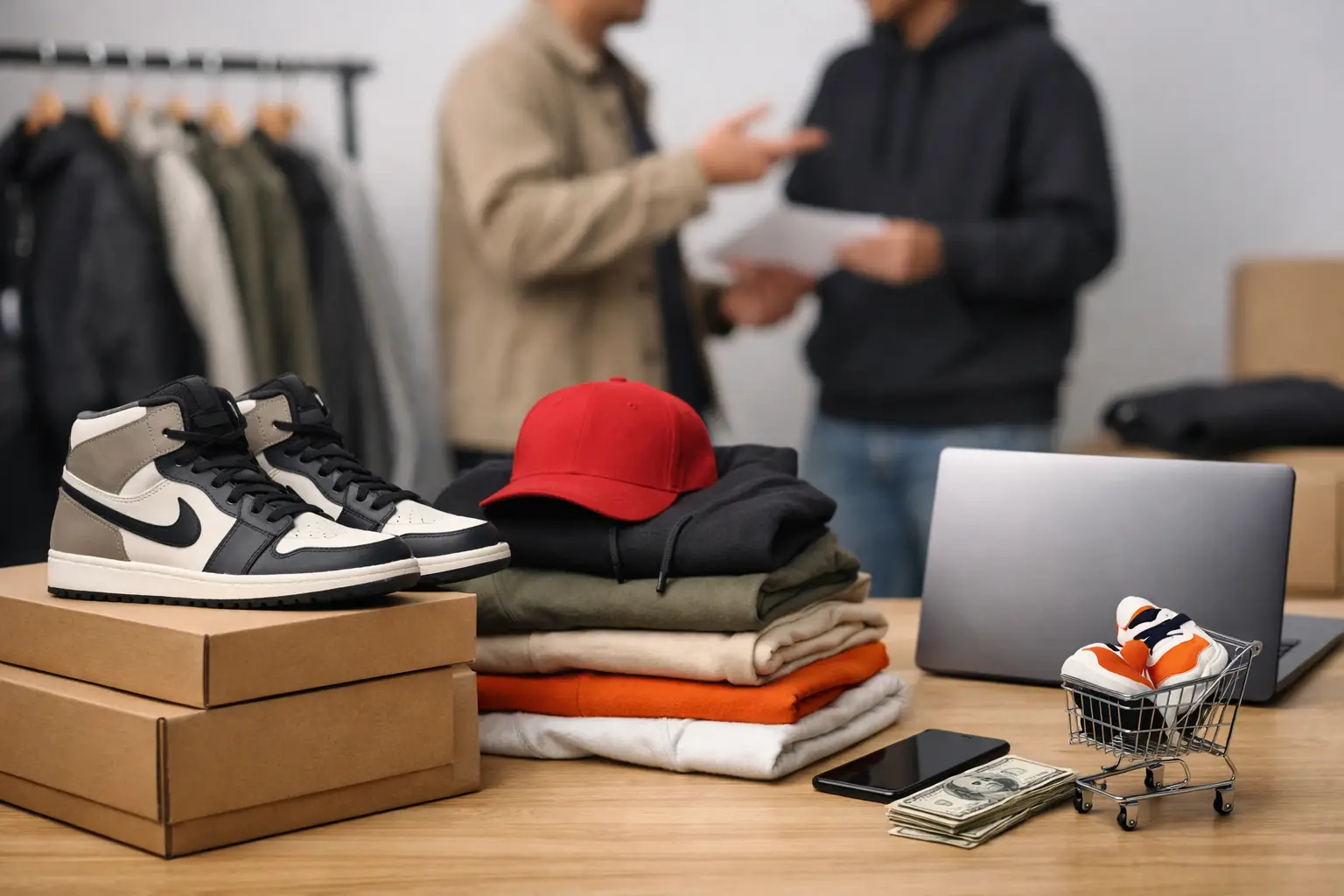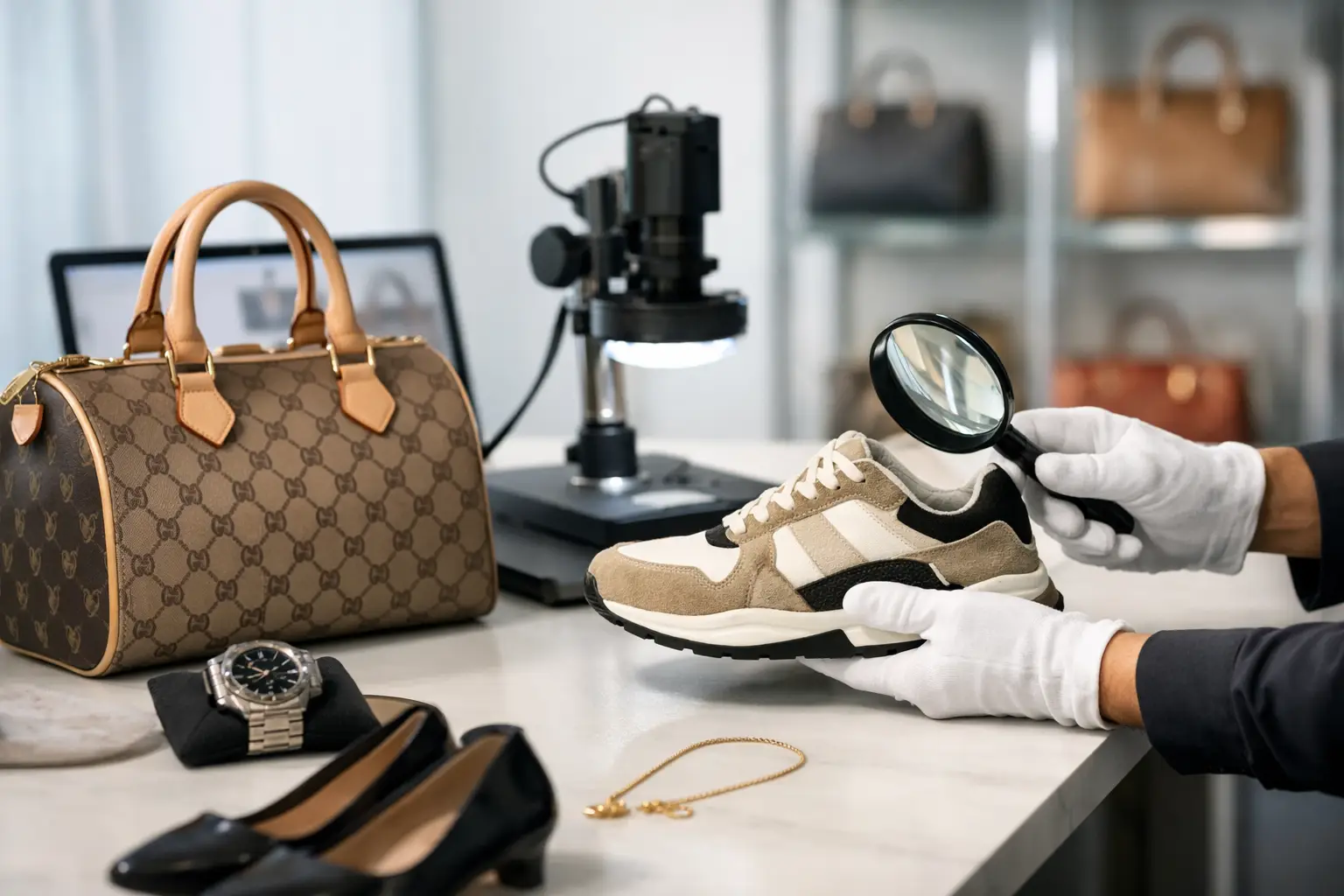
If you have ever lost a deal because a pair looked right but felt off, you already understand the top benefits of authenticated resale. In sneakers, streetwear, and collectibles, value moves fast, but trust breaks even faster. When the product is limited, expensive, and easy to fake, authentication is not a bonus feature. It is the difference between a smart buy and an expensive mistake.
Authenticated resale solves the biggest problems in the secondary market by adding expert verification between seller and buyer. That changes the transaction from a gamble into a controlled process. For collectors, resellers, and serious buyers, that control matters just as much as price.
Why the top benefits of authenticated resale matter
Resale is no longer a niche corner of fashion culture. It is a major part of how people buy sought-after sneakers, archive streetwear, and collectible goods that never stay on shelves for long. But growth has also brought more friction - more counterfeits, more listing errors, and more sellers who cannot meet the standard buyers expect.
An authenticated marketplace reduces those risks because the platform does more than match a buyer with a seller. It verifies the item, checks that it matches the listing, and adds payment and shipping protection around the transaction. That operational layer creates real value on both sides.
For buyers, the benefit is certainty. For sellers, it is credibility at scale. For both, it is a more efficient market.
Counterfeit protection is the clearest advantage
The first reason people choose authenticated resale is simple: fake products are everywhere. In high-demand categories, counterfeiters have become more convincing, especially online where buyers cannot inspect stitching, materials, packaging, or tags in person.
Authentication gives buyers a professional checkpoint before the item reaches their door. That means the pair of sneakers, the hoodie, or the collectible gets reviewed by people trained to spot inconsistencies that most customers would miss. It also means sellers with real inventory are not forced to compete in a market clouded by suspicion.
This is one of the top benefits of authenticated resale because it protects more than a single purchase. It protects confidence in the category. If buyers believe the market is flooded with fakes, they buy less aggressively and question every listing. Authentication keeps serious demand alive by removing doubt from the process.
There is a trade-off, of course. Verification can add a step that direct peer-to-peer sales skip. But that extra step is usually far cheaper than dealing with a fake item, a chargeback, or a dead-end dispute after delivery.
Safer payments change how people buy and sell
A resale transaction is not just about the product. It is also about whether the money is protected while the transaction is in motion. On unmanaged platforms, buyers often have to trust that the seller will ship exactly what was promised, and sellers have to trust that they will not get hit with avoidable payment issues.
Authenticated resale platforms reduce that uncertainty with managed payments and transaction controls. Funds are tied to a process, not just a promise. The item is shipped for review, checked against the listing, and then released to the buyer. That structure protects both sides from the most common failure points.
For buyers, this means less risk of paying premium prices for the wrong item, a damaged item, or nothing at all. For sellers, it means a more credible sales environment where serious buyers are more willing to commit quickly. That matters when margins are tight and inventory turnover is part of the business.
Listing accuracy becomes a real marketplace standard
One of the most frustrating parts of resale is not always fraud. Often, it is inaccuracy. Wrong sizes, undisclosed wear, replacement parts, damaged boxes, or vague photos can all turn a deal into a dispute.
Authenticated resale raises the standard because the item is checked against what the seller claimed. If the listing says deadstock, the product needs to meet that standard. If the listing notes flaws, those details need to align with the item that arrives for verification.
This has a practical effect on the marketplace. Buyers spend less time second-guessing listings. Sellers who describe inventory honestly build stronger reputations. And the platform itself becomes easier to use because fewer transactions collapse after purchase.
That consistency is especially valuable for repeat buyers, professional resellers, and sourcing teams. If you are buying multiple pairs or stocking inventory for resale, accuracy is not just convenient. It affects your cash flow, your pricing, and your customer trust downstream.
Speed matters more than many buyers admit
Trust is the headline benefit, but speed is a close second. In resale, slow processing creates missed opportunities. Prices move. Demand changes. Buyers lose patience. Sellers want cash back into circulation.
A strong authenticated resale model is built to verify quickly and ship with tracking, so protection does not turn into delay. That balance is critical. A marketplace that promises safety but drags on fulfillment creates a different kind of friction.
When authentication, shipping, and payout are handled as part of one system, the experience becomes more efficient. Buyers know where the item is. Sellers know when they will be paid. Both sides get more predictable timelines.
This is where operational control separates specialized platforms from broad marketplaces. Authentication only helps if the process around it is organized. Fast verification, clear status updates, and tracked delivery turn trust into a usable advantage, not just a marketing line.
Authenticated resale supports stronger pricing
Price is not just about getting the cheapest deal. In premium resale, price is tied to confidence. Buyers will often pay more when the transaction includes verification, payment protection, and clear item standards. That premium is not irrational. It reflects reduced risk.
For sellers, authenticated resale can support stronger realized value because buyers are more comfortable committing at market price when the platform removes uncertainty. A legit pair backed by verification is worth more in practice than a suspiciously cheap pair sold through a risky channel.
For buyers, the value equation is also better than it first appears. Paying slightly more for an authenticated item can be far cheaper than chasing a bargain that turns into a fake, a return battle, or a non-refundable loss. In categories where one mistake can cost hundreds, trust has real financial value.
It depends on the item, of course. Commodity products with low counterfeit risk may not need the same level of oversight. But in sneakers, streetwear, and collectibles where scarcity drives pricing, authentication tends to justify itself quickly.
Sellers gain access to better buyers
Not every resale buyer is the same. Some are casual. Some are bargain hunters. Some are looking for any reason to dispute a purchase after the fact. Authenticated marketplaces tend to attract a more serious buyer base because the environment is built for confidence and follow-through.
That matters for sellers who want fewer failed transactions and better conversion on quality inventory. When buyers know every item will be verified, they are more likely to shop with intent. They are also more likely to return to the platform, which improves sell-through over time.
For high-volume sellers and professional operators, this creates another advantage: reach without losing control. A trusted platform can connect inventory to a broad audience while still maintaining standards around authentication, delivery, and payout. That makes scale more realistic.
Solepoint is built around that exact model - every item verified, every transaction protected, and every step managed to reduce the risk that usually comes with secondary market buying and selling.
Buyer protection keeps the market usable
A resale platform only works long term if buyers believe they have recourse when something goes wrong. Authentication helps prevent issues, but buyer protection matters when a listing does not match the item or the transaction fails to meet platform standards.
Refund support and dispute handling are not flashy features, but they are part of what makes authenticated resale credible. They tell buyers that the platform stands behind the process instead of pushing all responsibility back onto the customer.
That level of accountability improves behavior across the marketplace. Sellers are more careful with listings. Buyers are more willing to purchase. The platform becomes more liquid because trust reduces hesitation.
The bigger benefit is market confidence
The top benefits of authenticated resale are easy to spot at the transaction level: fewer fakes, safer payments, better listings, faster processing, and stronger buyer protection. But the bigger effect is market confidence.
When people trust the system, they participate more often and with more conviction. Buyers expand what they are willing to purchase. Sellers list better inventory. Professional operators can source more efficiently. The entire resale ecosystem becomes more functional.
That is why authenticated resale continues to matter, even for experienced buyers who know the market well. Expertise helps, but it does not replace verification, controlled logistics, and payment protection. A better marketplace is not just one with more inventory. It is one where trust is built into every transaction.
If you are buying or selling products where authenticity drives value, the smartest move is usually the one that removes doubt before the box ever reaches the doorstep.