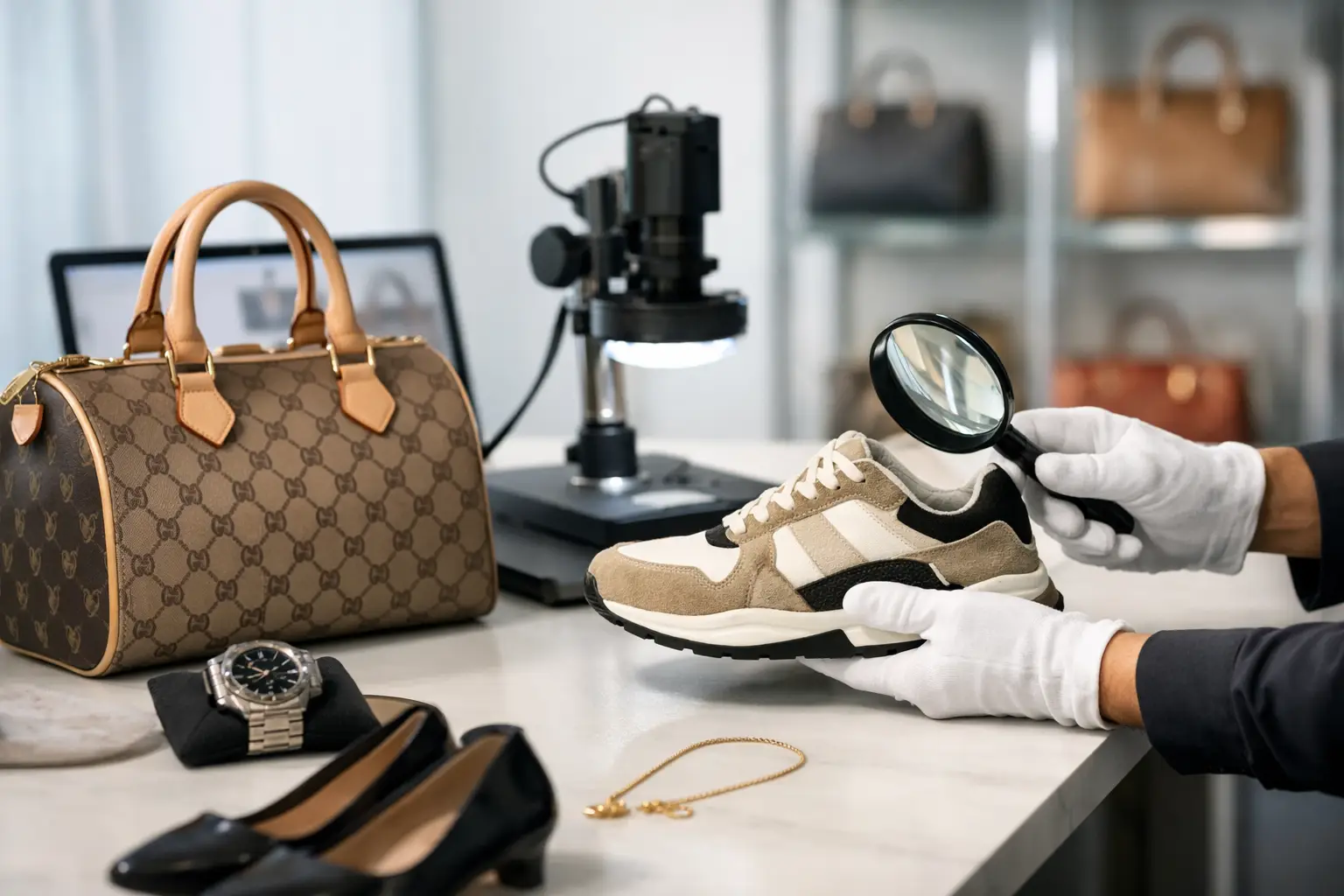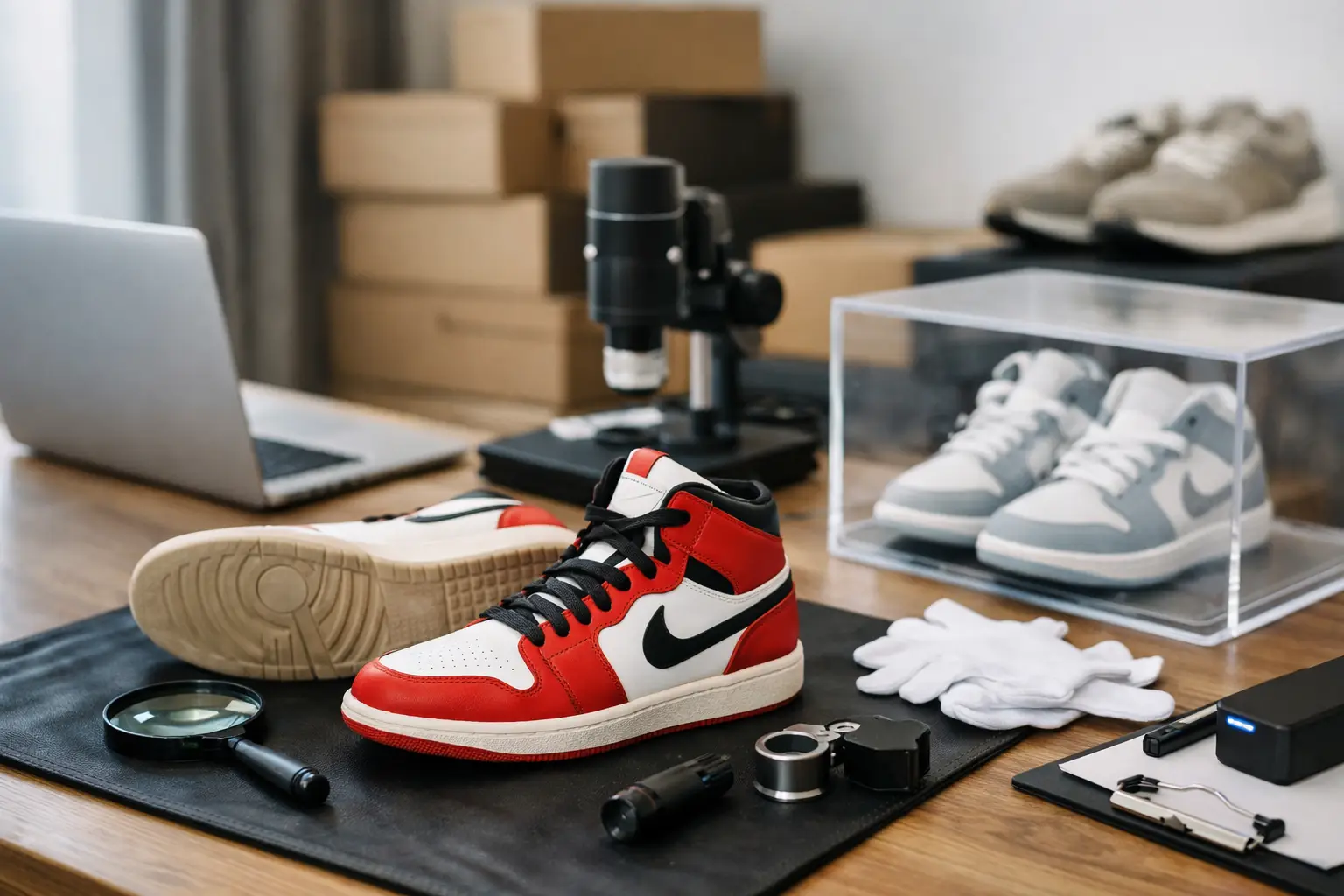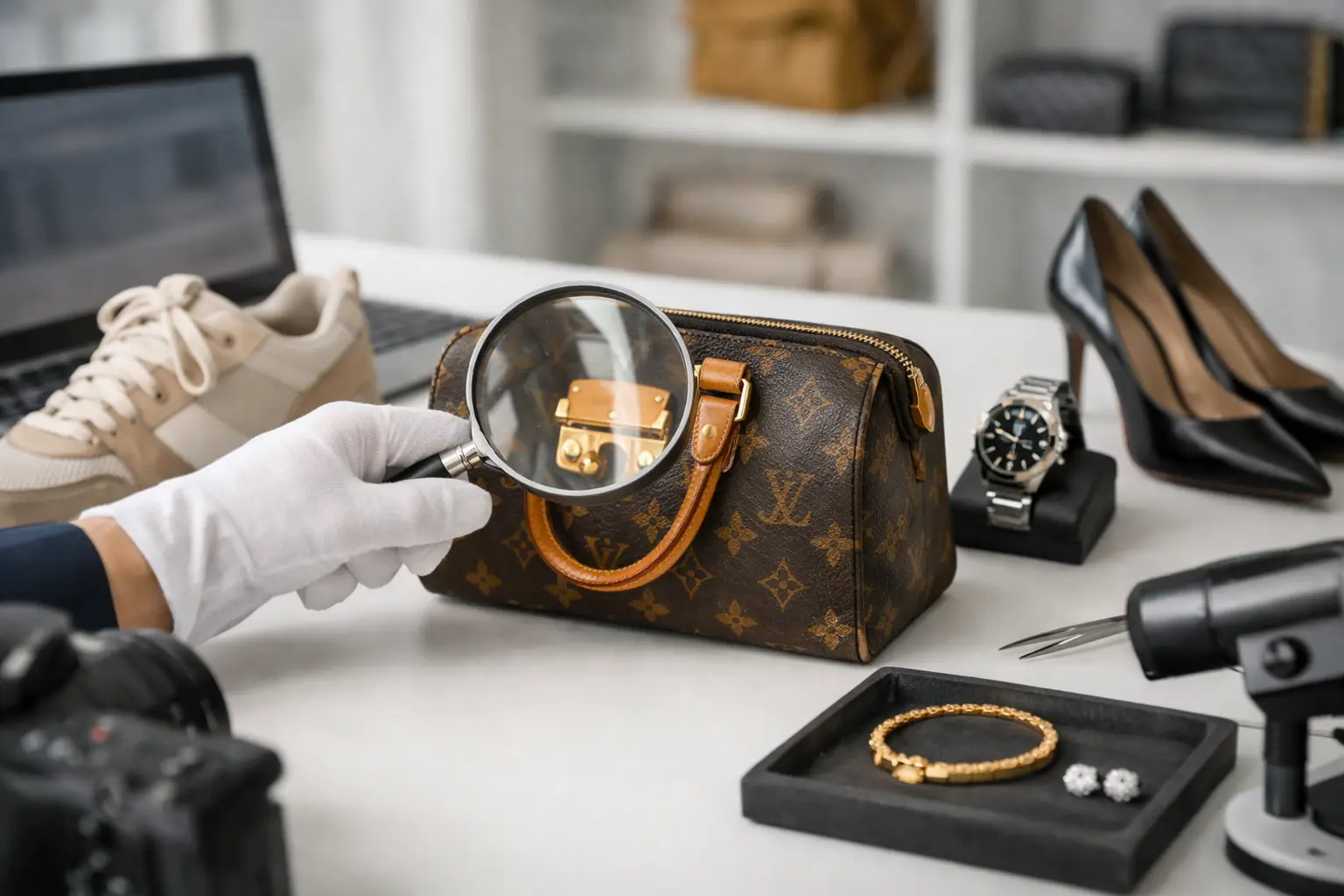
One fake pair can ruin a buyer’s budget, a seller’s reputation, and an entire marketplace’s credibility. That is the real answer to why are resale items authenticated: because resale only works when both sides trust what is being sold, how it is described, and what actually arrives.
In sneakers, streetwear, and collectibles, value moves fast. A release can sell out in minutes and start trading at a premium the same day. That speed creates opportunity, but it also attracts counterfeits, switched items, damaged pairs passed off as clean, and listings that look better online than they do in hand. Authentication exists to control that risk.
For a serious buyer, authentication is not a bonus feature. It is the difference between paying market price for a real asset and overpaying for a problem. For a seller, it is how a good item earns buyer confidence quickly, without endless back-and-forth. For a marketplace, it is the operating system behind trust.
Why are resale items authenticated in the first place?
Because the secondary market has a verification problem built into it. Unlike buying directly from a brand or retailer, resale usually involves goods changing hands after the original sale. The item may have been stored, worn, relaced, cleaned, or repackaged. It may have moved through multiple owners. In some cases, the original receipt is gone. In others, the box, tags, or accessories are missing.
That does not mean the product is bad. It means the buyer cannot rely on retail chain-of-custody alone. Authentication fills that gap by confirming that the item itself is genuine, and that its condition and details match the listing closely enough for the buyer to purchase with confidence.
This matters most in categories where small differences carry large price swings. The right SKU, factory variation, production year, logo placement, material texture, stitching pattern, or packaging detail can separate an authentic item from a fake or a standard release from a limited one. When hundreds or thousands of dollars are on the line, verification is part of the product.
Authentication protects more than buyers
Most people think authentication is only there to stop fakes from reaching buyers. That is true, but it is only half the picture.
Authentication also protects honest sellers. In open peer-to-peer environments, good sellers often lose sales because buyers assume risk before they even message. If the platform verifies items before final delivery, that friction drops. A seller with a legitimate product does not have to spend days proving it to every potential buyer. The platform does that work once, at scale, through a controlled process.
It protects pricing too. Authenticity is tied directly to market value. A verified pair of limited sneakers and an unverified pair may look similar in photos, but they do not trade the same way. Buyers pay more confidently when they know what standard the item has passed. That price confidence helps the entire market function better.
It also protects the marketplace itself. If counterfeit goods move freely, repeat buyers leave, chargebacks rise, disputes increase, and serious sellers take inventory elsewhere. A resale platform without reliable authentication is not just less convenient. It is less efficient and less credible.
What authentication actually checks
Authentication is often misunderstood as a quick visual glance. Real authentication is more detailed than that.
Experts typically review construction, materials, shape, label formatting, date codes, SKU alignment, stitching consistency, logo execution, print quality, packaging, accessories, and wear patterns. They compare what is in hand against known production standards and authentic references. In categories like sneakers and streetwear, they also evaluate whether the item’s condition and presentation match the listing.
That last point matters. An item can be authentic and still fail the expectations created by the sale if it arrives with undisclosed damage, replacement parts, odor, excessive wear, or missing extras. That is why authentication and listing verification often work together. Buyers need the real thing, but they also need the right version of the real thing.
Why are resale items authenticated before shipment?
Because timing matters as much as the inspection itself. If a marketplace authenticates after the buyer receives the item, the risk has already shifted to the customer. Returns, disputes, and refund timelines become slower and messier. Authenticating before shipment keeps the problem from landing at the buyer’s door.
This is where a managed transaction model has a clear advantage. The seller sends the item to the platform, the platform verifies it, and only then is it shipped to the buyer. That process creates control. It limits seller misrepresentation, reduces switch risk, and creates a documented checkpoint between listing and delivery.
For buyers, that means fewer surprises. For sellers, it means fewer accusations and cleaner payouts. For the platform, it means tighter quality control and better dispute prevention.
There is a trade-off, of course. Authentication adds a step to fulfillment. But in premium resale, a slightly longer process is usually worth it if it removes the much bigger cost of fraud, returns, and lost trust. Speed still matters. It just has to be paired with verification, not chosen instead of it.
Authentication supports better resale economics
Resale is not only about style. It is also about liquidity.
Collectors want to know they can buy something today and move it later without the market questioning its legitimacy. Resellers need inventory they can source and sell without absorbing fake risk. Retail buyers and bulk purchasers need consistent standards because one bad unit can affect an entire order. Authentication supports all of that by making goods more tradable.
Think of it this way: when an item is authenticated through a credible process, uncertainty drops. When uncertainty drops, conversion improves. Buyers hesitate less, sellers turn stock faster, and pricing becomes more rational. That is good for casual customers and even more important for people treating resale as a business.
This is especially true in categories driven by scarcity. The more exclusive the drop, the more incentive there is for counterfeiters to imitate it. The market response is predictable: buyers become cautious. Authentication is what restores confidence and keeps premium inventory moving.
Why photos and receipts are not enough
A clean set of listing photos helps, but it does not replace physical inspection. Images can hide defects, miss key details, or fail to show scale, texture, and construction accurately. Lighting alone can distort materials and color. Some counterfeit goods are designed specifically to pass casual photo checks.
Receipts are not foolproof either. They can be lost, transferred, duplicated, or paired with the wrong item. Even legitimate proof of purchase does not guarantee the exact product being shipped is the exact one originally bought.
That is why physical authentication remains the standard for high-demand resale. It verifies the actual item in circulation, not just the story around it.
What buyers should expect from an authenticated marketplace
Authentication only creates value when it is part of a broader trust system. Buyers should expect clear standards, protected payments, shipment tracking, and a process for handling mismatched or failed items. Sellers should expect transparent fees, defined timelines, and fast payout once the item passes.
A strong marketplace does not rely on trust between strangers. It builds trust through operations. That means controlling verification, documenting condition, reducing transaction risk, and making sure the item that gets listed is the item that gets delivered.
That is why platforms like Solepoint focus on authentication as a core service, not an add-on. In a category where demand is strong but risk is real, operational control is what turns marketplace traffic into reliable transactions.
The real reason authentication matters
When people ask why are resale items authenticated, the shortest answer is this: because authenticity is the foundation of value.
Without it, a limited sneaker is just a claim. A collectible is just a photo. A streetwear piece is just a listing headline. Authentication turns those claims into verified inventory that buyers can trust and sellers can monetize.
That is what keeps the resale market moving. Not hype alone. Not low prices. Not even access. Trust is what scales the market, protects margins, and makes every transaction worth completing.
If you buy or sell premium goods often, authentication is not friction. It is the part that makes the rest of the transaction possible.