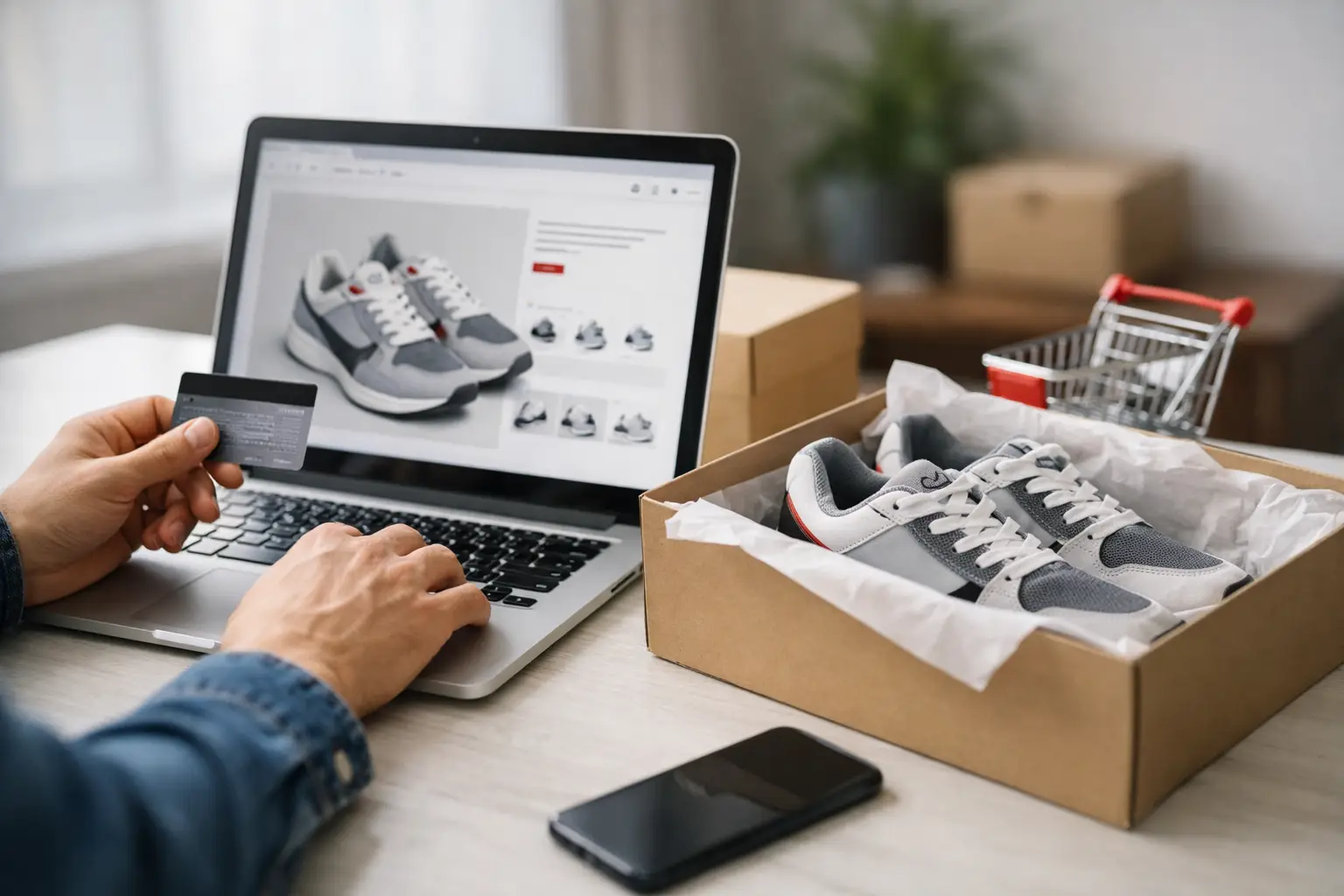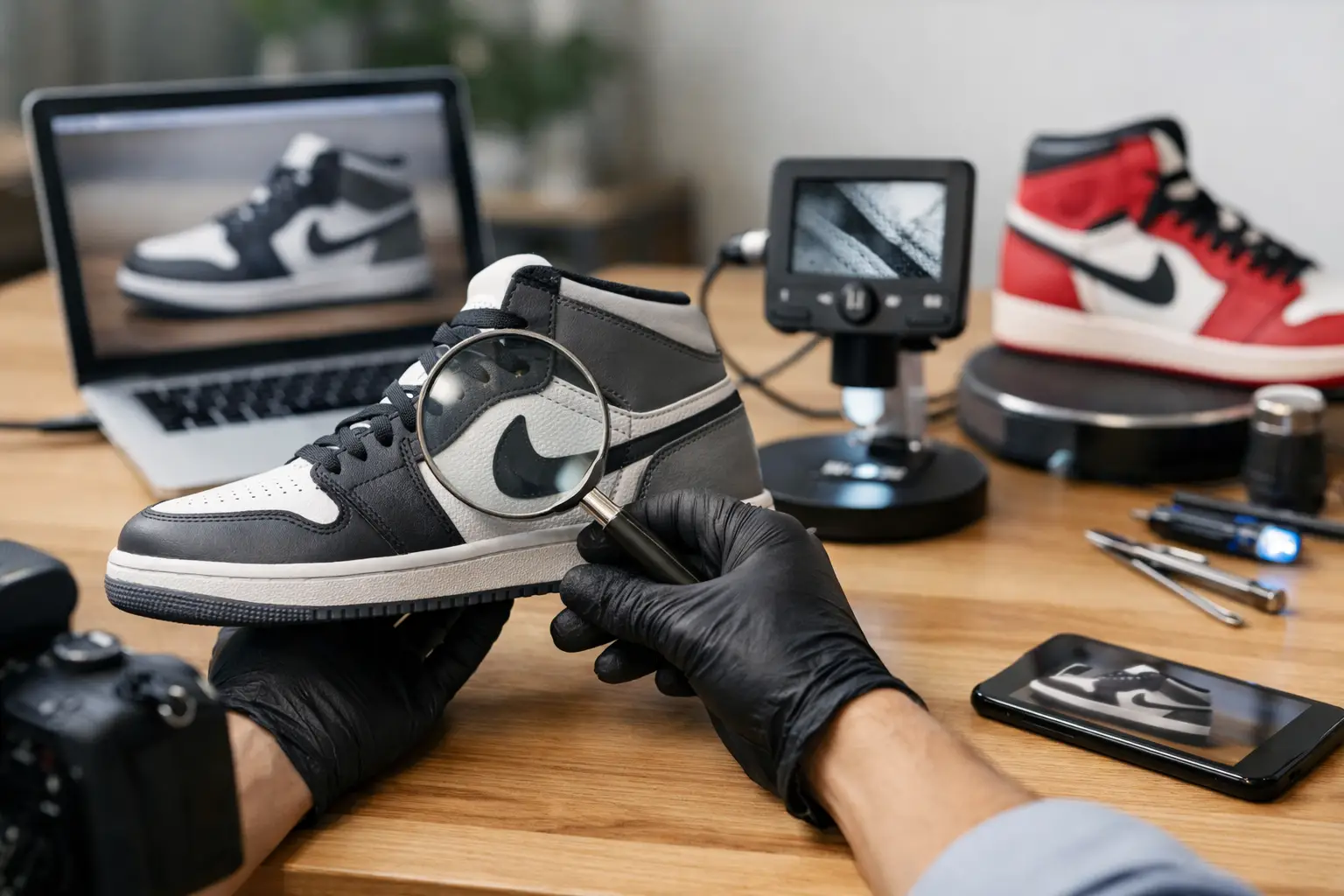
A sneaker listed at a great price means nothing if the pair that shows up is fake, damaged, or nowhere close to the photos. That is why the search for the best authenticated sneaker marketplace is really a search for something more valuable than a deal - certainty.
In resale, certainty changes everything. It protects buyers from counterfeits, protects sellers from chargeback drama, and gives serious collectors and inventory buyers a faster way to move with confidence. Plenty of platforms claim trust. The real difference is how that trust is built, enforced, and maintained after the sale.
What makes the best authenticated sneaker marketplace
The best authenticated sneaker marketplace does more than place buyers and sellers in the same digital room. It controls the risky parts of the transaction.
That starts with authentication, but it should not end there. A strong marketplace verifies the product before it reaches the buyer, checks whether the item matches the listing, secures payment, manages fulfillment, and provides a clear outcome if something goes wrong. If any one of those steps is weak, the buyer still carries too much risk.
This is where many resale platforms separate into two categories. Some are essentially listing boards with light oversight. Others run a managed transaction model, where the platform is actively involved in verification and shipment. For anyone buying high-demand sneakers, the second model is usually the smarter one.
A good marketplace is not just a place to shop. It is an operating system for trust.
Authentication matters, but process matters more
Most buyers focus on one promise: authenticated. Fair enough. But the quality of that promise depends on the process behind it.
If a platform says a sneaker is authenticated, you should be able to ask practical questions. Who performs the checks? At what stage does verification happen? Is the item inspected against the listing details? What happens if the condition, size, or product variant does not match what was sold?
These details matter because fake pairs are only one part of the problem. The secondary market also has issues with swapped boxes, incorrect SKUs, hidden wear, replacement insoles, poor photo accuracy, and sellers shipping something materially different from what the buyer expected. A marketplace that only checks for authenticity but ignores listing accuracy is solving half the problem.
The better model is straightforward. The seller sends the item to the platform. The platform verifies authenticity and confirms it matches the listing. Only then does it go to the buyer. That extra operational step reduces fraud, misrepresentation, and disputes in a way peer-to-peer transactions rarely can.
Buyer protection is what turns trust into action
People talk about trust like it is a branding exercise. In resale, trust is operational.
Buyer protection should include secured payment handling, tracked shipping, and a clear refund path if the item fails verification or does not match the listing. Without those protections, the buyer is still betting on the seller's honesty and the payment provider's patience.
This matters even more when you are buying expensive pairs, sourcing multiple units, or shopping across borders. The stakes go up quickly when a transaction moves from a personal pickup mentality to a real commerce decision. At that point, the best marketplace is the one that removes avoidable risk from every stage of the deal.
For serious buyers, speed also matters. Protection that takes forever to resolve is not much protection at all. Strong platforms combine authentication with fast processing, so buyers get confidence without waiting endlessly for an outcome.
Sellers need protection too
A lot of marketplace content is written only from the buyer's side. That misses how good platforms actually scale.
The best authenticated sneaker marketplace works because sellers trust it as much as buyers do. Sellers want low friction listing, fair fees, quick payouts, and access to real demand. They also want fewer bad-faith disputes, fewer payment issues, and less time wasted answering basic questions from uncertain buyers.
Authentication helps here too. Once the platform verifies the product and condition, the transaction becomes more defensible. That reduces post-sale conflict and helps serious sellers move inventory faster.
This is especially important for resellers, consignment operators, and store buyers who are managing volume. They are not looking for a marketplace that simply gives them exposure. They want one that improves conversion while reducing time loss and transaction risk.
Price is important, but trust affects price
Every marketplace shopper cares about price. The mistake is treating price as separate from trust.
On weak platforms, lower prices can reflect higher buyer risk. Maybe the seller is unknown. Maybe the photos are vague. Maybe the return path is messy. Maybe the item is real, maybe not. The discount is often there because the buyer is being asked to absorb uncertainty.
On a properly managed platform, pricing tends to be more meaningful. Buyers are not just comparing numbers. They are comparing numbers attached to verification, protection, and a controlled fulfillment process. That changes the value equation.
The same logic applies to sellers. Trusted platforms often support stronger conversion because buyers are more willing to complete a purchase when they know the item will be checked before delivery. Higher confidence can improve sale velocity, even when a listing is not the absolute lowest price on the market.
What serious buyers should look for
If you are deciding where to buy, do not stop at product selection. Look at how the marketplace actually operates.
A strong platform should offer clear authentication standards, protected payments, verified listing accuracy, and tracked delivery. It should also make it easy to understand what happens if a product fails inspection or arrives inconsistent with the listing.
Transparency matters. If a marketplace is vague about its process, there is usually a reason. Serious operators explain the flow because the flow is their advantage.
Selection still matters, of course. A marketplace can be safe and still not be useful if the inventory is thin or the sellers are inactive. The ideal platform combines broad supply with real operational control. That is what gives buyers both access and confidence.
What serious sellers should look for
Sellers should evaluate marketplaces with the same discipline buyers use.
Start with fees, but do not end there. A lower fee means less if the platform brings weak demand, slow sell-through, or frequent disputes. What matters is net outcome: how fast inventory moves, how often transactions complete cleanly, and how quickly funds are released.
You should also look at buyer quality. A marketplace with a network of serious sneaker and streetwear buyers is more valuable than one with a large audience that is mostly browsing. Qualified demand drives better conversion.
Operational support matters too. Fast verification and rapid payout are not small features. They affect working capital, reinvestment speed, and overall efficiency. For anyone flipping pairs or managing stock at scale, those details directly affect margin.
Why managed marketplaces are winning
The resale market has matured. Buyers are less willing to gamble, and sellers are less interested in platforms that create unnecessary friction.
That is why managed marketplaces are gaining ground. They do more than host listings. They insert control where the risk is highest - authentication, payment protection, condition verification, and fulfillment.
This model is especially effective in sneakers, where the difference between a smooth transaction and a costly mistake can come down to one missed detail. A SKU mismatch, a re-laced used pair sold as new, or a counterfeit box label can destroy buyer confidence fast. Platforms that control the handoff have a clear advantage because they can catch those issues before delivery.
For buyers and sellers who value speed, protection, and cleaner execution, this is where the market is headed.
Where Solepoint fits
For anyone evaluating marketplaces in Europe with a global resale mindset, Solepoint is built around the model that matters most: every item is verified before shipment, every transaction is protected, and the process is designed to reduce friction for both sides. You can see that focus at https://solepoint.eu/.
That matters because authentication alone is not enough. The real value is in combining expert verification with protected payments, tracked delivery, refund support, and faster operational flow. That is what turns marketplace trust into something measurable.
The real test of a marketplace
The real test is simple. When the pair is expensive, the release is hard to replace, and the seller is someone you have never met, would you still feel comfortable buying?
If the answer is yes, the marketplace is doing its job. Not with slogans, but with process.
The best platforms make resale feel less like a gamble and more like commerce. And once you have bought or sold that way, it is very hard to go back.