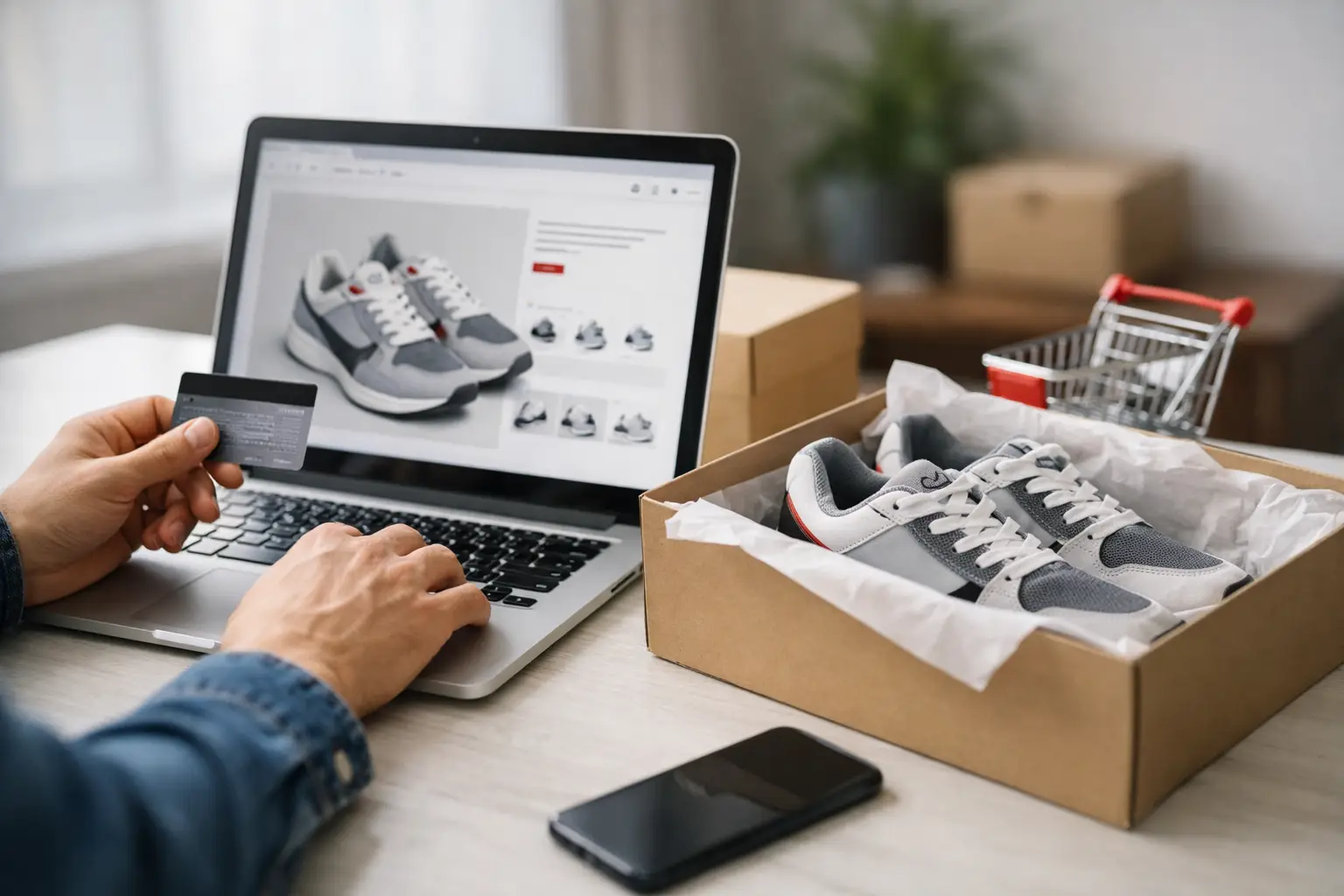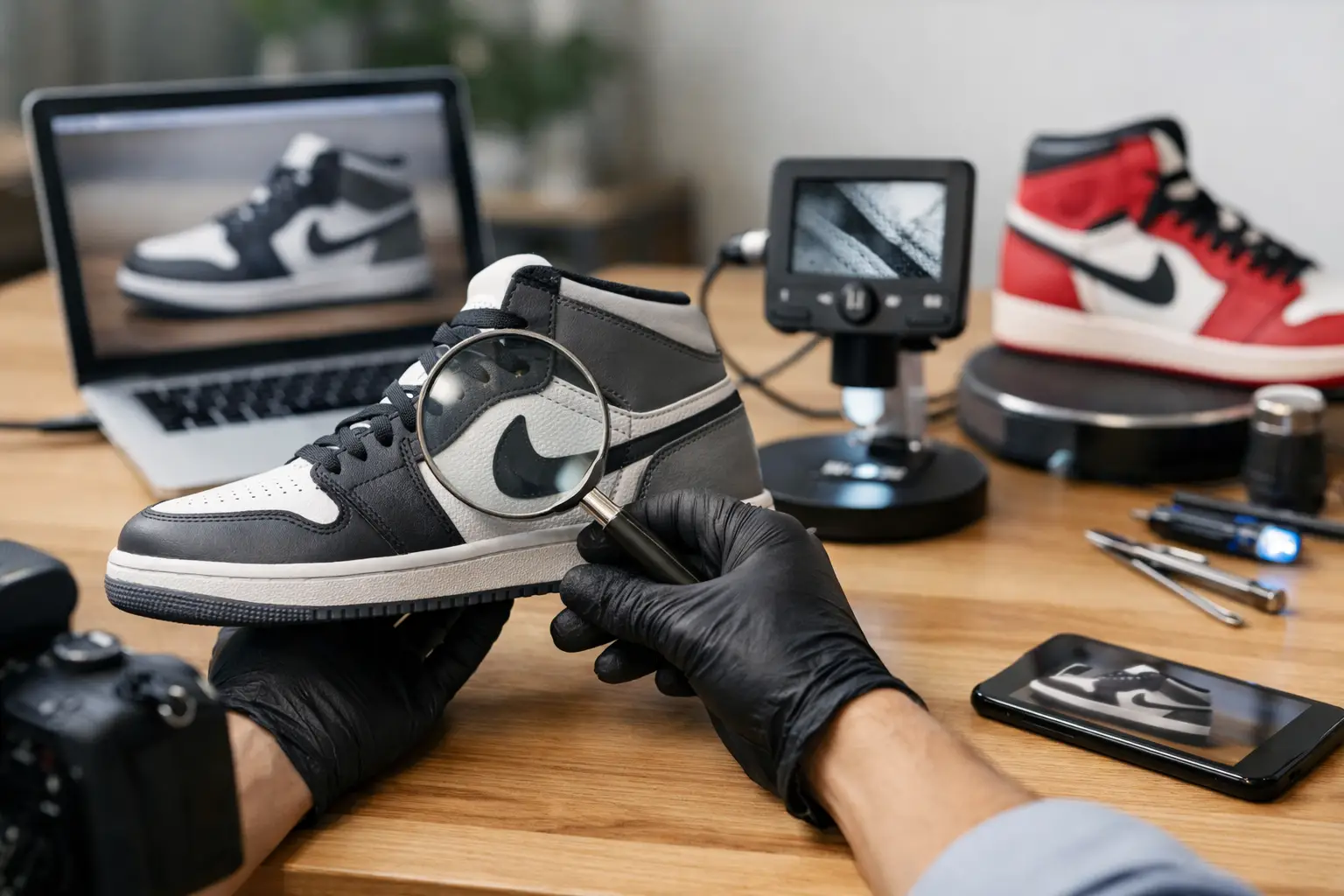
A pair can lose value in 24 hours because the box is damaged, the SKU is wrong, or the photos raise doubt. That is the real answer to how to sell sneakers online successfully: reduce buyer hesitation before it costs you money. In resale, trust is not a nice extra. It is the difference between a quick sale at market price and a listing that sits.
If you are selling personal pairs, moving old inventory, or flipping limited releases, the goal is the same. You want clean listings, credible condition details, competitive pricing, and a transaction process that protects both sides. The better you handle those four pieces, the faster you turn sneakers into cash.
How to sell sneakers online without losing margin
Most sellers focus on hype and ignore execution. Hype might bring traffic, but execution closes the sale.
Buyers pay faster when they can verify what they are looking at. They want clear proof of condition, original packaging, accurate sizing, and confidence that the pair is authentic. If any of that feels unclear, they either move on or send low offers to cover their risk.
That makes online sneaker selling a margin game as much as a product game. The pair matters, but so does the way you present it. A DS pair with weak photos can underperform. A used pair with excellent documentation can sell quickly because the buyer knows exactly what they are getting.
Start with the right product information
Before you list anything, gather the details a serious buyer actually checks. That includes the full product name, brand, size, colorway, style code or SKU, condition, and whether the original box and accessories are included.
This sounds basic, but inaccurate product data is one of the biggest reasons listings stall or get disputed later. A missing style code can create doubt about authenticity. A vague condition note like "worn a few times" tells the buyer almost nothing. Precision sells better.
If the pair is deadstock, say so only if it is truly unworn. If it has been tried on, cleaned, relaced, or repaired, disclose it. If the box has corner damage or a torn label, include that too. A complete listing filters out the wrong buyers and attracts the right ones.
Photos do more than show the sneakers
Good photos do not just display the pair. They prove the listing is real.
Use consistent lighting and photograph every angle that matters: lateral side, medial side, toe box, outsole, heel, tongue, size tag, insole, and box label. If there is wear, show it directly. If there is a flaw, make it easy to see. Hiding defects usually lowers your final outcome because it leads to returns, disputes, or lower trust from the start.
For higher-value pairs, details matter even more. Buyers often zoom in on stitching, shape, label placement, and outsole wear. A clean photo set answers those questions before they ask them. That speeds up the sale and reduces friction.
Price for the market you have, not the one you want
One of the fastest ways to miss a sale is pricing based on what you paid or what the pair used to be worth. The market does not care about your cost basis. It responds to current demand, size liquidity, condition, and supply.
Look at recent sale prices for the same SKU, not just active listings. Active listings show seller ambition. Closed sales show what buyers actually accepted. That difference matters.
Sizing also changes the equation. Some sizes move faster and command a premium. Others need sharper pricing to sell. The same is true for condition. A VNDS pair might perform close to deadstock if the photos are strong and the box is clean. A heavily worn pair can still sell well if the model is scarce, but only if the price reflects reality.
If your priority is speed, price slightly under the most credible comparable. If your priority is maximum return, stay competitive but leave room for the right buyer. There is no single correct strategy. It depends on whether you are clearing space, turning inventory, or holding out for margin.
Choose a selling platform that lowers risk
If you are serious about how to sell sneakers online at scale, platform choice matters as much as product choice.
General peer-to-peer marketplaces can offer reach, but they also introduce more noise. More low-quality inquiries, more counterfeit concerns, more chargeback risk, and more post-sale disputes. A marketplace built around authentication and managed transactions removes a lot of that drag.
That is where specialized resale platforms have a real advantage. When every item is verified and payments are protected, buyer confidence rises. Higher confidence typically means stronger conversion, fewer disputes, and a cleaner selling process. For sellers, that is not just about safety. It is about preserving time and margin.
A trust-first marketplace like Solepoint also helps serious inventory stand out from the clutter. You are selling into an environment where buyers expect authenticated product, tracked delivery, and a professional standard of listing quality. That tends to attract more committed buyers than casual browsers looking for a risky bargain.
Write listings that sound credible, not promotional
Sneaker buyers do not need sales copy. They need clarity.
Your description should confirm the essentials quickly: condition, wear history, included packaging, any flaws, and anything relevant about fit or release version. Keep it factual. Avoid overselling with phrases that sound vague or defensive.
A strong description might mention that the pair is worn twice, includes the original box and extra laces, has light heel drag, and shows minor box wear from storage. That gives the buyer enough information to decide without opening a back-and-forth message thread.
Short, specific language performs better than filler. In resale, credibility beats hype.
Fast fulfillment protects your seller reputation
Once the pair sells, speed matters. Buyers who spend on sought-after sneakers expect movement. Slow handling creates anxiety, and anxiety creates support issues.
Pack the sneakers securely, protect the box, and follow the platform's shipping instructions exactly. If the marketplace uses an authentication step before final delivery, ship promptly so verification can happen without delay. The faster the item moves through the system, the faster you get paid and the more confident buyers feel about future purchases.
This is especially important if you sell regularly. Online resale rewards consistency. Sellers who list accurately, ship fast, and avoid disputes build momentum over time.
Common mistakes that cost sellers money
The biggest losses in sneaker resale usually come from preventable errors, not bad luck.
Overpricing is the obvious one, but it is not the only issue. Incomplete photos, inaccurate condition grading, missing accessories in the listing, poor packaging, and delayed shipment all chip away at trust. Some mistakes hurt conversion before the sale. Others create headaches after it.
There is also a trade-off between speed and control. Selling directly to a random buyer might seem faster, but the risk is higher. Selling through a managed platform may involve a verification step, yet that added process often reduces fraud, protects payment, and improves buyer confidence. For many sellers, that trade is worth it.
Selling used sneakers vs. deadstock pairs
Used and deadstock inventory require different selling angles.
With deadstock pairs, buyers want proof of authenticity and box condition. The focus is on freshness, completeness, and market timing. Price sensitivity is still there, but buyers are paying for certainty.
With used pairs, transparency matters even more. You need to document wear honestly and show the exact state of the outsole, uppers, insoles, and heel lining. A buyer considering a used pair is balancing price against remaining life. Help them make that calculation quickly.
Used pairs can still be excellent sellers, especially for older releases, hard-to-find sizes, and models that have become too expensive in deadstock condition. But the listing has to do more work.
Treat sneaker selling like inventory management
The sellers who do well online usually stop thinking in one-off sales. They think in systems.
They organize boxes, keep receipts when available, photograph pairs consistently, track market movement, and know when to hold or move. They understand that not every pair should be listed at the same time and that demand changes around seasons, collaborations, athlete moments, and broader streetwear cycles.
That does not mean overcomplicating the process. It means removing preventable friction. When your inventory is documented, your pricing is informed, and your selling channel is built for trust, your results are usually better.
If you want stronger outcomes, think less about chasing the perfect buyer and more about becoming the kind of seller buyers do not hesitate to purchase from. That is where online sneaker resale gets easier, faster, and more profitable.