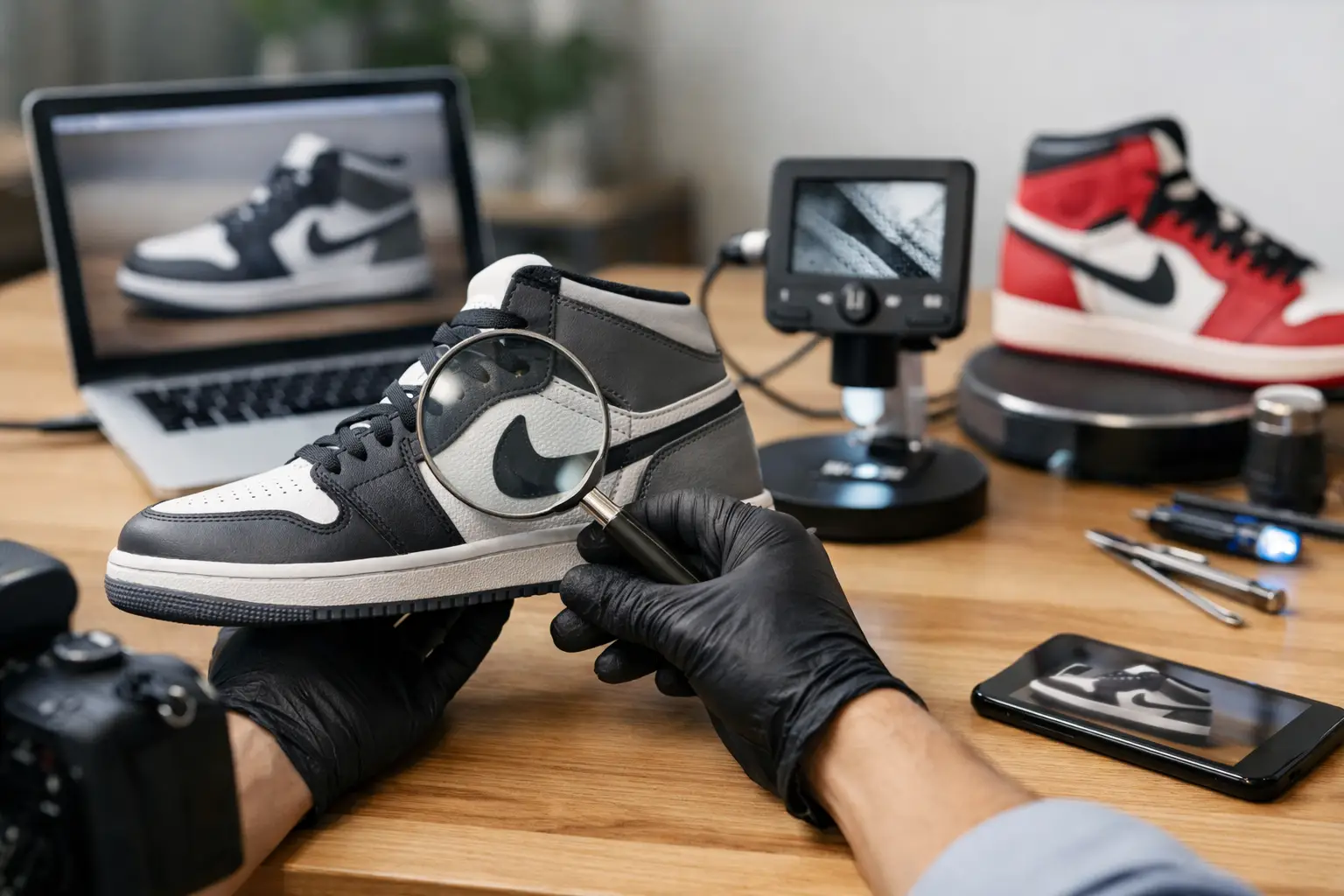
A clean listing can sell a hoodie in hours. A sloppy one can leave the same piece sitting for weeks, even if the brand and size are right. If you want to know how to sell streetwear online, the difference usually comes down to trust, pricing discipline, and how fast you can move from listing to payout.
Streetwear resale is not just about having desirable inventory. It is about proving your item is real, presenting it accurately, and getting it in front of buyers who are ready to spend. The market rewards sellers who operate like professionals, even when they are only moving a few pieces a month.
How to sell streetwear online without losing margin
Most sellers focus on hype first. That makes sense, but it is only part of the job. The stronger approach is to treat each listing like a transaction that needs to clear three hurdles: authenticity, confidence, and competitiveness.
Authenticity is the baseline. If buyers are spending serious money on Supreme, Stussy, Palace, BAPE, Chrome Hearts, Denim Tears, or limited collaborations, they want certainty. Confidence comes from your photos, condition notes, and fulfillment speed. Competitiveness comes from pricing that reflects the current market, not the number you hope someone might pay.
That is why general peer-to-peer selling can be inefficient. You may get more eyeballs, but you also get more lowball offers, more buyer hesitation, and more fraud risk. A managed marketplace with authentication and payment protection tends to reduce friction because buyers know the item will be checked before it reaches them.
Start with inventory that actually moves
Not every streetwear item is worth listing right away. Before you post anything, look at demand, condition, seasonality, and price band. A box logo hoodie in strong condition has a very different sales path from a washed-out graphic tee with no proof of purchase.
Pieces usually move faster when they hit one of three categories: current demand, timeless staples, or hard-to-source archive items. Current demand means recent drops, collaborations, and styles already circulating on social feeds. Timeless staples include core logo pieces, varsity jackets, popular denim, and recognizable outerwear. Archive works when the piece is rare enough that collectors will pay for the story and scarcity.
Condition matters more than many sellers think. Streetwear buyers will accept pre-owned items, but they do not accept surprises. Fading, cracking graphics, missing tags, odors, and repaired stitching all affect sale price. None of these issues make an item unsellable, but they need to be disclosed clearly.
If your inventory is mixed, list the strongest pieces first. Early sales build momentum and teach you what your buyers respond to.
Price from the market, not from emotion
One of the fastest ways to stall a sale is pricing based on what you paid, or worse, what the item means to you. The resale market does not reward sentiment. It rewards realism.
Start with comparable sales, not just active listings. There is a big difference between what sellers ask and what buyers actually pay. Check recent sales for the same item, size, colorway, and condition. Then adjust for timing. If demand has cooled, your old benchmark may no longer be relevant. If a celebrity co-sign or seasonal shift has pushed interest up, you may have room to hold firm.
There is always a trade-off between speed and margin. If you want a quick sale, price at or slightly below current market. If you are willing to wait, list higher but stay within a credible range. Overpricing by a little can be strategic. Overpricing by a lot makes buyers question your seriousness.
Fees also need to be part of the math. Your actual net matters more than the headline sale price. A lower fee structure and faster payout can make a lower list price more profitable than a higher one elsewhere.
Your listing needs to remove doubt fast
Buyers decide quickly. The first image gets the click, but the rest of the listing closes the sale.
Use clear photos with consistent lighting and neutral backgrounds. Show the front, back, tags, branding, labels, size tag, wash tag, and any flaws. If the item has high-value details like embroidery, special packaging, or collaboration markers, include close-ups. Buyers should never have to guess what they are getting.
Descriptions should be short and precise. Brand, item name, size, fit note if relevant, condition, flaws, and what is included. That is enough. Avoid vague phrases like "great condition for age" unless you explain what that means. A better line is "light fading at cuffs, no holes, original tag included."
Measurements can help with older or shrink-prone pieces. Streetwear sizing is inconsistent across eras and brands. If a large fits like a medium, say it. Clear sizing reduces returns, disputes, and unhappy buyers.
Choose the right platform for the kind of seller you are
If you are selling the occasional piece from your own rotation, convenience may matter most. If you are flipping multiple items a week, you need efficiency, lower operational risk, and access to serious buyers.
That is where platform choice becomes a business decision, not just a posting decision. A marketplace built around authenticated fashion and collectibles usually gives sellers stronger buyer confidence than a broad classifieds app. Buyers are more willing to commit when they know the item will be verified, payment is protected, and shipping is tracked.
For streetwear specifically, trust infrastructure matters because counterfeit risk is high. The better your selling environment is at reducing buyer doubt, the easier it is to convert interest into completed sales. Solepoint, for example, is built around that trust-first model, with authentication and managed transactions that make high-value selling more efficient for both individual sellers and professional operators.
How to sell streetwear online faster after listing
A good listing is not the finish line. Speed after the sale matters too.
Once an item sells, ship it out fast and package it properly. Delays create anxiety, and anxiety leads to support issues, cancellations, or lower buyer satisfaction. Fast dispatch signals professionalism. Proper packaging protects the item and preserves presentation, especially for premium pieces.
It also helps to stay organized before the sale happens. Keep inventory stored cleanly, tagged accurately, and ready to ship. If you need to find a sold item in a pile of fifty hoodies, you are already behind.
For sellers moving volume, simple systems make a real difference. Keep a record of purchase cost, expected net, condition notes, and sale date. That tells you which brands turn fastest, which categories drag, and where your real margins come from.
Authentication is not a bonus feature
In streetwear resale, authentication directly affects conversion. Buyers spend more confidently when they know there is an expert check between the seller and delivery. That confidence is especially important with high-risk categories like hyped hoodies, collaborative tees, collectible accessories, and limited-run apparel.
For sellers, authentication protects more than the buyer. It reduces dispute risk, filters out bad-faith claims, and creates a cleaner transaction path. If you are selling online regularly, working through a platform with strong verification standards is often more efficient than trying to prove legitimacy yourself in every message thread.
This is one of the clearest differences between casual selling and scalable selling. Casual selling relies on negotiation and trust signals. Scalable selling relies on systems.
What separates top sellers from everyone else
Top sellers usually do the simple things consistently. They source better, price sharper, disclose flaws clearly, and move quickly. They also understand that reputation compounds. Every accurate listing and every smooth transaction makes the next sale easier.
They do not chase every trend blindly, either. Some items look loud online but have weak resale depth. Others seem less exciting but move steadily because buyers know exactly what they are getting. Smart sellers learn the difference between attention and demand.
They also know when not to list. If a piece is off-season, poorly documented, or likely to perform better with better photos or cleaning, waiting can be the right move. Selling fast is good. Selling carelessly is expensive.
If you want better results, think like a buyer for a minute. Would you trust this listing? Does the price make sense? Are the photos clear? Is the condition honestly represented? If the answer is yes, you are already ahead of a large part of the market.
Streetwear resale rewards sellers who make buying easy. That is the real play - not more hype, but less friction.