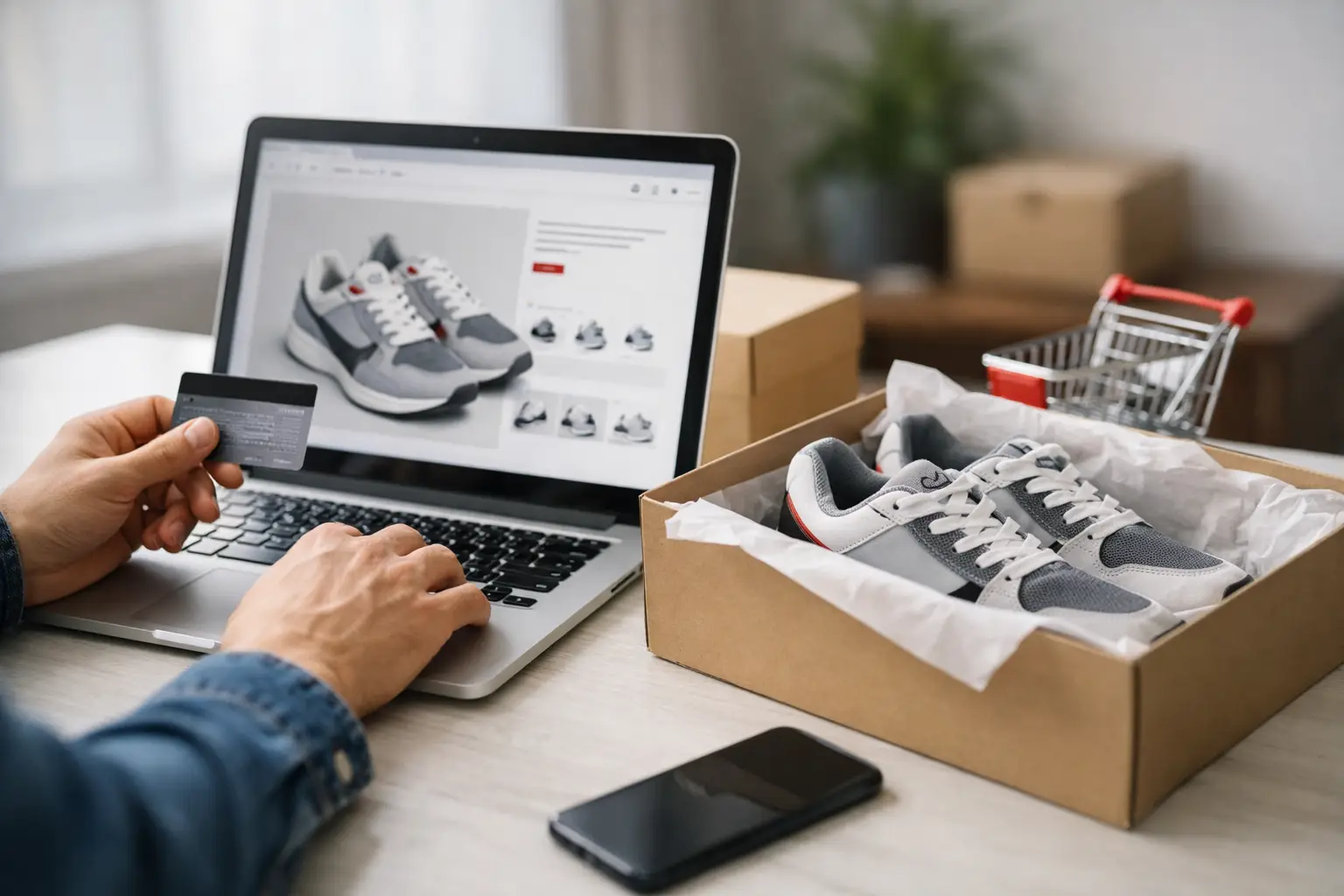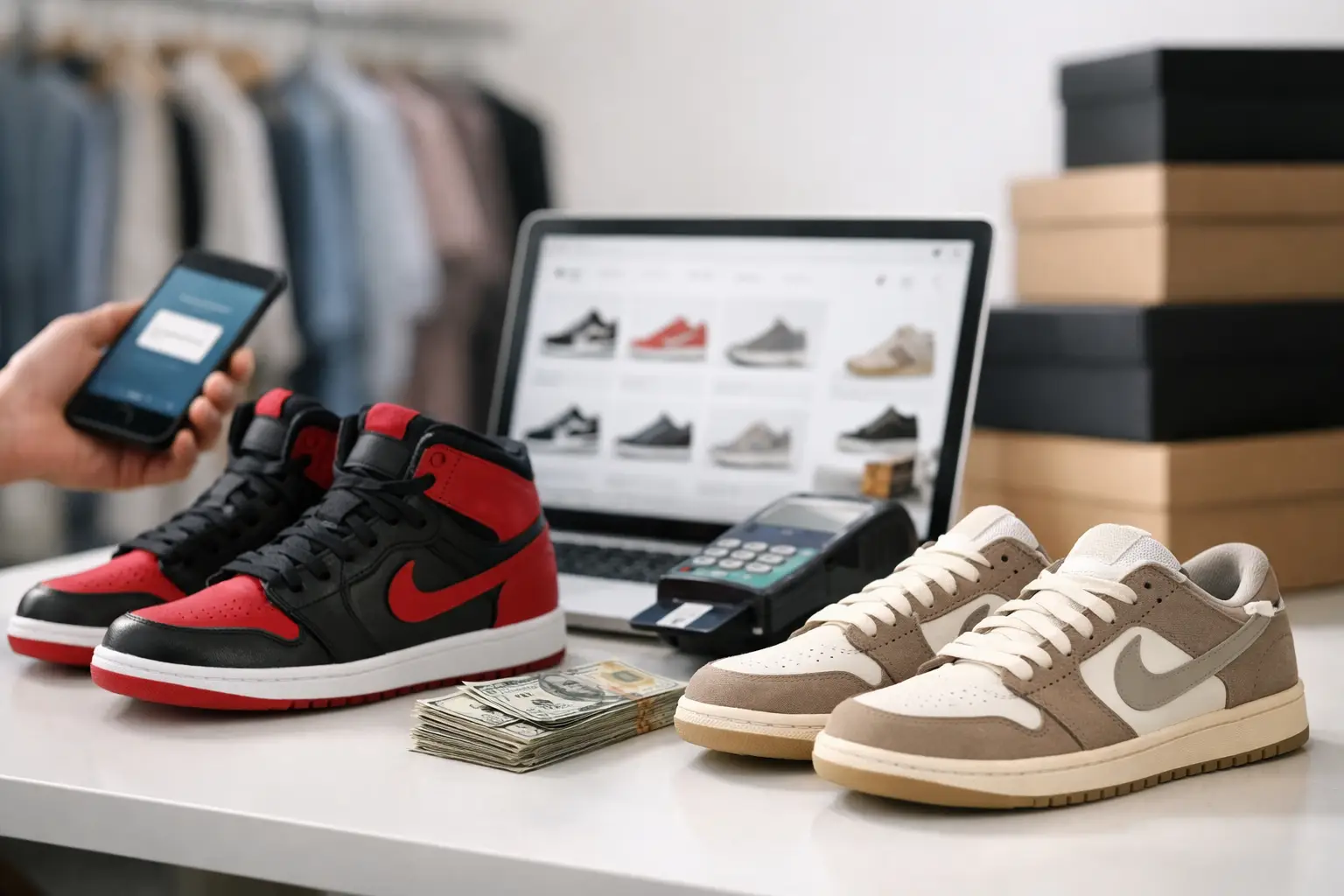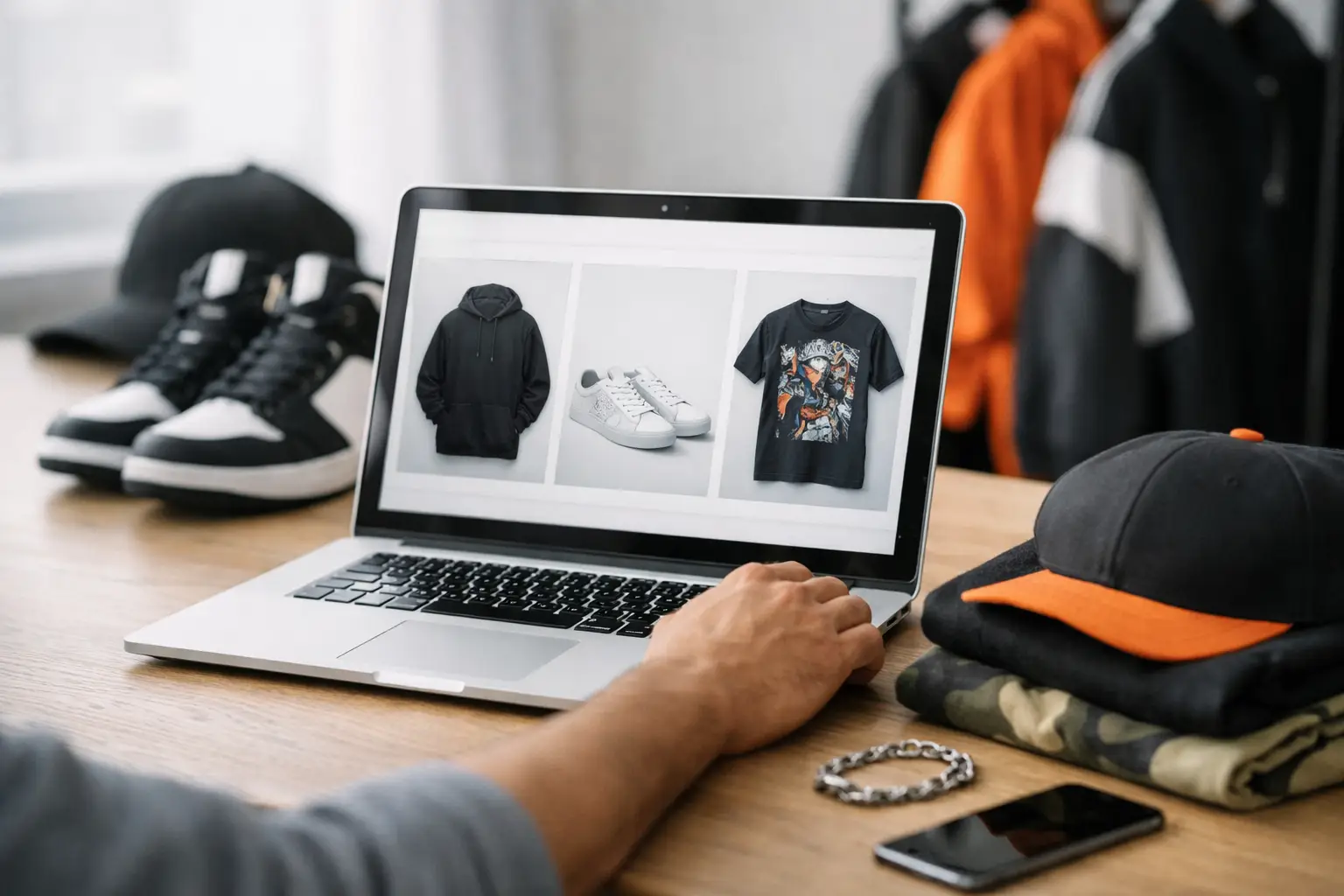
The fastest way to waste money in streetwear is buying from the wrong place. If you're asking where to buy authentic streetwear, you're really asking a sharper question: which sales channels actually reduce counterfeit risk, protect your payment, and deliver the item you expected.
That matters more now than ever. Limited drops sell out instantly, resale prices move fast, and fake inventory has gotten better at looking real in photos. A clean product shot, a good price, and a seller with a few five-star reviews are not enough. The right place to buy authentic streetwear is the one with real operational control - not just a listing page.
Where to buy authentic streetwear depends on the platform model
Not all marketplaces create the same level of trust. Some only connect buyers and sellers, then leave the rest to messaging, photos, and hope. Others manage the transaction, inspect the product, and release payment only after verification. That difference is where most of the risk lives.
If you're buying basics from a current-season brand site, the answer is simple: buy direct from the brand or authorized retail partners. But that only works for products still in stock. Most buyers searching for authentic streetwear are looking for sold-out Supreme pieces, rare collaborations, archival items, limited tees, collectible outerwear, or hard-to-source sizes. That pushes the purchase into the secondary market, where platform structure matters more than branding.
A peer-to-peer marketplace can look cheaper at first. Sometimes it is. But the trade-off is obvious - weaker buyer protection, inconsistent seller quality, and higher exposure to counterfeit goods or misleading listings. An authenticated resale marketplace costs you more attention upfront, but often saves you money, time, and dispute headaches later.
The safest places to buy are built around verification
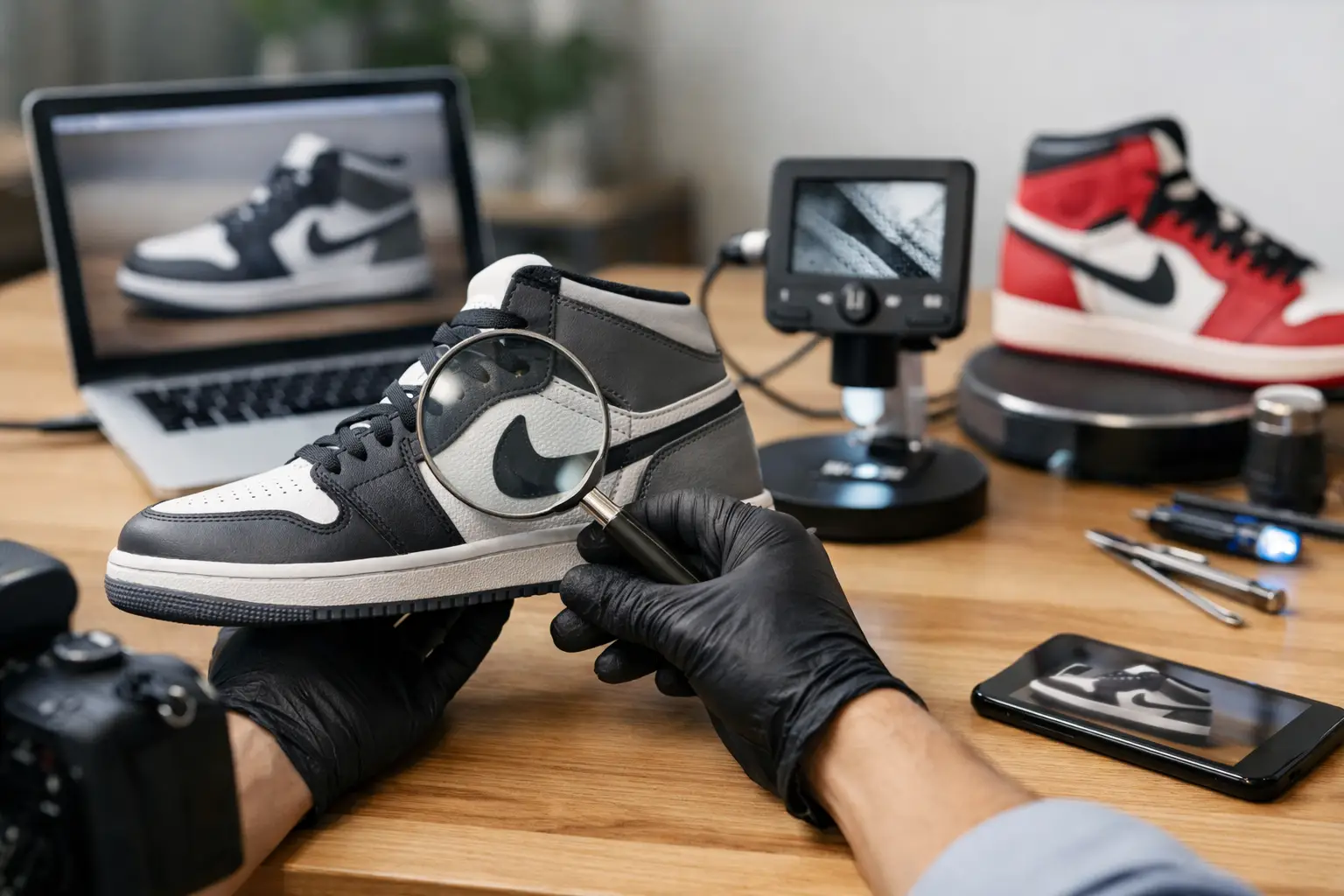
If authenticity is your first filter, look for a platform that authenticates every item before it reaches the buyer. That means the marketplace is doing more than hosting listings. It is receiving the product, checking it against the listing, reviewing key details, and controlling shipment.
This model matters because counterfeit risk usually enters at the handoff point. A marketplace can advertise trust all day, but if the item moves directly from seller to buyer without inspection, the system still depends heavily on seller honesty. That may be acceptable for low-risk categories. It is not ideal for high-demand streetwear with active counterfeit production.
A trust-first marketplace like Solepoint is built around this exact problem. Sellers list inventory, buyers purchase through the platform, and each item is verified before shipment. That adds one more step to the process, but it also adds what most buyers actually want - certainty. Every item verified. Every transaction protected.
What to check before you buy authentic streetwear online
The smartest buyers do not judge a marketplace by its homepage claims alone. They look at how the transaction actually works.
Start with authentication. Does the platform clearly state that items are checked by experts before shipment, or does it use softer language that only suggests screening? There is a big difference between moderation and physical verification.
Next, check payment protection. A strong marketplace does not release funds the moment a buyer clicks pay. It ties payment flow to shipment, inspection, and order completion. That structure protects both sides and discourages bad actors.
Then look at listing standards. Good platforms require detailed product information, condition grading, and accurate descriptions. That reduces another common problem in resale: authentic item, wrong expectations. A piece can be real and still be a bad buy if the condition was misrepresented.
Finally, review fulfillment speed and tracking. Authentication should not mean a black-box process with no updates. Buyers want verified goods, but they also want transparency and delivery reliability.
Where people go wrong when choosing where to buy authentic streetwear
A lot of buyers still make the same three mistakes. The first is chasing the lowest price without pricing in risk. If one listing is meaningfully below market and the platform offers little protection, that discount may just be the cost of future trouble.
The second mistake is trusting photos more than process. Streetwear fakes are good enough now that many issues will not show up in listing images alone. Neck tags, wash tags, print quality, packaging, stitching, and material feel often need in-hand review.
The third is overvaluing seller reputation in weak marketplace environments. A seller can have positive feedback and still move questionable inventory, especially if buyers are not experts or if dispute standards are inconsistent. Seller ratings help, but they should never replace platform-level verification.
How to decide where to buy authentic streetwear for your goals
The right buying channel depends on what kind of buyer you are.
If you are a collector buying a grail piece, authentication and condition accuracy should outweigh small price differences. You are not just buying a logo - you are buying long-term confidence in the item.
If you are a reseller or inventory buyer, speed and unit economics matter too. You need access to broad supply, competitive pricing, reliable authentication, and fast enough processing to keep inventory moving. In that case, a managed marketplace with operational control is usually more efficient than chasing individual deals across fragmented platforms.
If you are newer to streetwear, your best move is simple: avoid direct-message deals, avoid off-platform payment requests, and avoid any marketplace that leaves too much unresolved before purchase. New buyers are usually targeted by urgency tactics because they are less likely to question inconsistencies.
Signs a streetwear marketplace is worth trusting
A trustworthy platform is easy to recognize when you focus on operations instead of marketing.
It should explain how items are verified, how long that takes, what happens if a listing does not match the product received, and how refunds are handled. It should also offer tracked delivery and clear post-purchase communication. These are not nice extras. They are core trust infrastructure.
The strongest platforms also create alignment between buyers and sellers. Sellers get access to serious demand, fair fees, and fast payouts. Buyers get authenticated goods and protected payments. When both sides benefit from the system, the marketplace scales with fewer shortcuts and fewer disputes.
That is especially important in streetwear, where product value is driven by scarcity, condition, timing, and cultural relevance. A platform that understands those variables will serve buyers better than a generic resale site built for everything from used electronics to furniture.
Why authentication matters even when the item looks right
The best counterfeit items are designed to pass quick judgment. They rely on buyer confidence, not buyer certainty.
That is why authentication is not just about catching obvious fakes. It is about verifying details most buyers cannot consistently assess at scale, especially across multiple brands, eras, and collaborations. Streetwear is not one category with one rulebook. A BAPE hoodie, a newer Supreme box logo tee, and a limited Stussy collaboration all require different reference points.
Professional verification reduces that burden. It also creates a better buying environment overall, because sellers know their items will be inspected. That pressure alone filters out a lot of low-quality or suspicious supply before it ever reaches the buyer.
The best answer to where to buy authentic streetwear
Buy from platforms that control the transaction, verify the product, protect the payment, and stand behind the listing. That is the cleanest answer because it deals with the real issue: not access, but trust.
You can still compare prices, chase rare pieces, and source inventory aggressively. But the smarter play is doing it inside a system designed to catch problems before they become yours. In streetwear resale, convenience without verification is usually just risk in better packaging.
If you care about authenticity, speed, and buyer protection, start with marketplaces built for high-demand goods, not general classified-style selling. The right platform should make the purchase feel clear, not uncertain. When every step is controlled - listing, payment, authentication, and delivery - you spend less time second-guessing and more time buying with confidence.
Streetwear moves fast, but bad purchases linger. Buy where the process is built to protect you, and the right pieces become a lot easier to own.