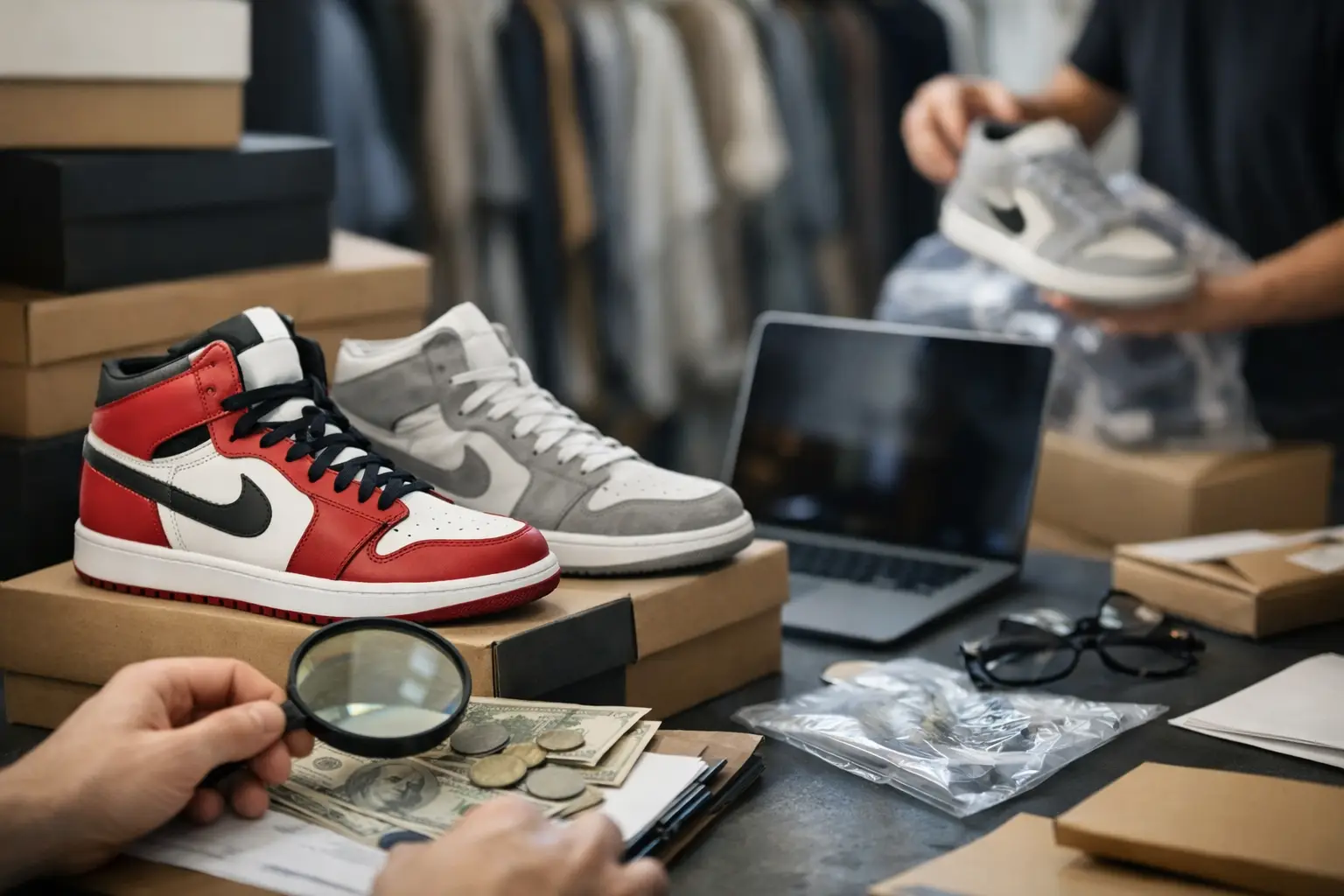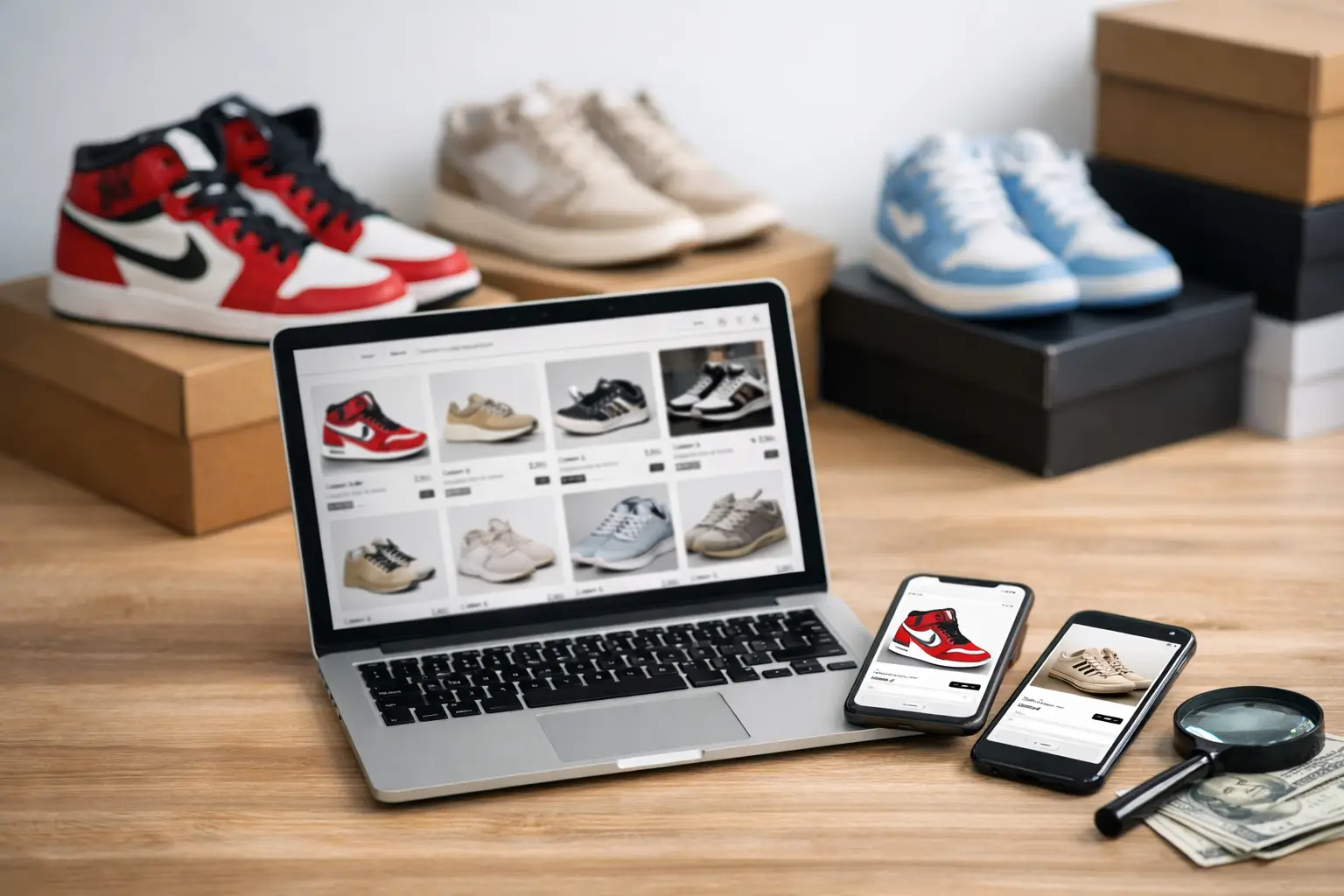
A great sale can turn into a bad platform choice fast. You move a pair at market, then lose margin to fees, wait days for payout, or deal with a return dispute that should never have happened. That is why choosing the best platforms for sneaker reselling is not just about traffic. It is about trust, speed, protection, and how much friction the platform removes from the deal.
For most sellers and buyers, there is no single winner for every situation. The right platform depends on what you sell, how often you sell, where your buyers are, and how much risk you are willing to absorb. Some marketplaces are built for volume. Others are better for rare inventory, direct negotiation, or local cash deals. The trade-off is usually simple - more reach can mean less control, and lower fees can mean more exposure to fraud.
What makes the best platforms for sneaker reselling
The strongest resale platforms do four things well. They attract serious buyers, protect both sides of the transaction, move inventory quickly, and keep fee structures clear enough that your margin is predictable.
Authentication is the first filter. In sneakers, traffic means very little if counterfeit risk is high or listing quality is inconsistent. Platforms that verify products before final delivery usually create more buyer confidence, which can support stronger sell-through and fewer post-sale issues.
The second factor is payout speed. Casual sellers may tolerate a delay, but frequent resellers, store operators, and inventory buyers need capital to cycle back into the next purchase. A platform that holds funds too long can quietly damage your business even if it delivers strong demand.
Then there is audience quality. A large user base sounds good, but broad marketplaces often bring more lowballing, more dead conversations, and more disputes. Specialized sneaker platforms usually convert better because the buyer already understands product value, sizing, condition, and release dynamics.
Finally, fees matter, but not in isolation. A lower fee marketplace that creates more failed transactions can be more expensive than a slightly higher fee marketplace with authentication, buyer protection, and faster close rates.
7 best platforms for sneaker reselling
1. StockX
StockX remains one of the most recognized sneaker resale platforms because it is built around price transparency and scale. The bid and ask system gives buyers and sellers a live market view, which helps with fast pricing decisions on high-volume pairs.
It works especially well for deadstock sneakers with established market demand. If you are moving recent hype releases or widely traded models, StockX offers enough buyer volume to keep inventory moving. Authentication also adds buyer confidence.
The downside is that sellers give up some control. You are operating inside a structured marketplace, not building a direct customer relationship. Fees and payout timing can also affect margin if you are running tighter spreads.
2. GOAT
GOAT is strong because it serves more than one type of seller. It has broad buyer recognition, supports new and used sneakers, and has a reputation that appeals to both collectors and mainstream shoppers.
That flexibility matters. If your inventory is not strictly brand new, GOAT can be more practical than platforms focused heavily on deadstock. The presentation is also consumer-friendly, which helps with buyer trust.
The trade-off is that seller standards and processing can feel more operationally demanding. If speed is your top priority, that matters. But if you sell varied inventory and want access to a large global audience, GOAT stays near the top.
3. eBay
eBay is still one of the most useful resale channels because of its reach. For sellers who understand how to photograph, price, and describe product accurately, it offers flexibility that more controlled marketplaces do not.
Its authentication support on eligible sneakers has improved buyer confidence significantly. That matters because eBay used to carry more perceived risk in premium footwear. Today, it can work well for rare pairs, auctions, and listings where seller storytelling adds value.
At the same time, eBay requires more hands-on selling discipline. Listing quality, response time, pricing strategy, and account reputation all matter. For professional resellers, that is manageable. For casual sellers, it can feel like more work than a managed platform.
4. Solepoint
For buyers and sellers who care most about certainty, Solepoint fits the market well. The platform is built around managed transactions, expert authentication, protected payments, and tracked delivery. That structure directly addresses the biggest problems in resale - fake pairs, inaccurate listings, and transaction risk.
This kind of setup is especially valuable when you are moving high-demand sneakers where trust is the main conversion factor. Buyers are more willing to commit when every item is verified and every transaction is protected. Sellers benefit too, because serious buyers convert faster on platforms that reduce uncertainty.
If your priority is not just listing a sneaker but closing the deal with fewer problems, an authentication-first marketplace has a clear advantage.
5. Grailed
Grailed is better known for fashion and streetwear, but it still plays a role in sneaker reselling, especially for style-driven inventory that overlaps with designer, archive, or niche fashion audiences.
The platform can be useful when the sneaker is part of a broader look or cultural category rather than just a commodity release. Some buyers on Grailed are shopping with taste first and market data second, which can create opportunities for less obvious pairs.
Still, it is not the first stop for every reseller. If you are moving high-volume GR pairs or standard hype releases, dedicated sneaker marketplaces often produce faster results.
6. Facebook Marketplace
Facebook Marketplace offers one clear advantage - local sales with no marketplace shipping flow if you handle the transaction in person. For sellers who want immediate cash and no shipping process, that can be appealing.
But local convenience comes with obvious risk. Authentication is not built into the transaction. Buyer quality is inconsistent. Meeting strangers for expensive sneakers also creates safety concerns that serious resellers should not ignore.
It can work for lower-risk local moves, especially if you already know your market. It is far less effective if your priority is wide reach, buyer protection, or reliable premium pricing.
7. Whatnot
Whatnot has gained traction through live selling, which changes the resale dynamic. Instead of waiting for a listing to convert, sellers can create urgency and move pairs in real time during streams.
This format works best for sellers with personality, product depth, and an audience that responds to live interaction. If you are good on camera and can bundle products or create momentum, Whatnot can be a strong channel.
The limitation is consistency. Live selling is performance-driven. If you do not have audience engagement or a repeat buyer base, results can vary more than on traditional marketplaces.
How to choose between the best platforms for sneaker reselling
If you are a casual seller with a few pairs a year, simplicity matters more than squeezing out every last dollar. A marketplace with authentication, easy shipping, and clear protections is usually the smarter choice.
If you are a frequent reseller, the decision becomes more operational. Look closely at seller fees, payout timing, dispute handling, and where the platform creates or removes manual work. A platform with slightly higher fees may still be better if it helps you move faster and avoid problem transactions.
If you sell used sneakers, narrow your options early. Not every marketplace handles condition grading equally well, and buyer expectations differ. You want a platform where used inventory is normal, not an exception.
If your customer base is international, platform reach matters more. Cross-border demand can improve price performance, especially on limited pairs. But only if logistics and verification are strong enough to support it.
The real trade-off: margin vs. certainty
Many sellers start by chasing the lowest fee. That makes sense on paper, but sneaker resale is rarely decided on paper alone. One canceled order, one counterfeit dispute, or one bad chargeback can erase the savings from multiple lower-fee transactions.
The better question is this: how reliably does the platform help you turn inventory into completed, protected sales? The best marketplace is not always the one with the cheapest fee line. It is the one that preserves margin by reducing risk, speeding up payout, and attracting buyers who are ready to transact.
For serious sneaker reselling, trust is not a bonus feature. It is infrastructure. Pick the platform that gives your product the strongest chance to sell cleanly, quickly, and at a price that still makes the numbers work.